
Biology
How Are Viral Vectors Used in Gene Therapy?
Viral vectors use modified viruses as delivery vehicles for genetic material. Viruses evolved efficient ways to enter cells, and gene-therapy developers can remove or di…
Browse ScienceInfo articles and explainers related to Genome.
311 published items.
Viral vectors use modified viruses as delivery vehicles for genetic material. Viruses evolved efficient ways to enter cells, and gene-therapy developers can remove or di…
Gene therapy changes genetic material or gene expression in a patient's cells to treat disease. The term covers several strategies, including adding a functional gene, s…
Prime editing is a gene-editing method designed to write a broader range of small DNA changes without requiring a conventional double-strand break or a separate donor DN…
Base editing is a gene-editing approach designed to change one DNA base into another without creating a full double-strand break at the target site. It combines a progra…
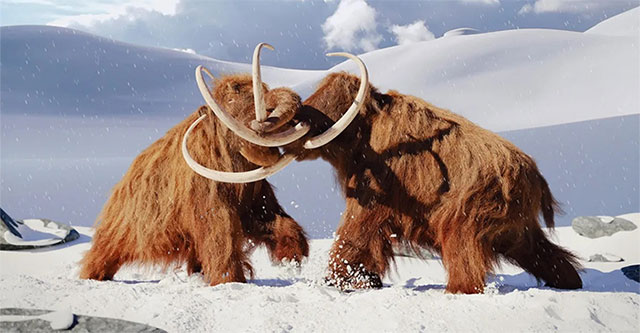
The US biotechnology company Colossal Biosciences says the first extinct creature it is trying to revive could be born in 2028.

Our record of the human genome may still be missing tens of thousands of

If you lived in ancient Greece, you would have witnessed cousin weddings on a regular basis.
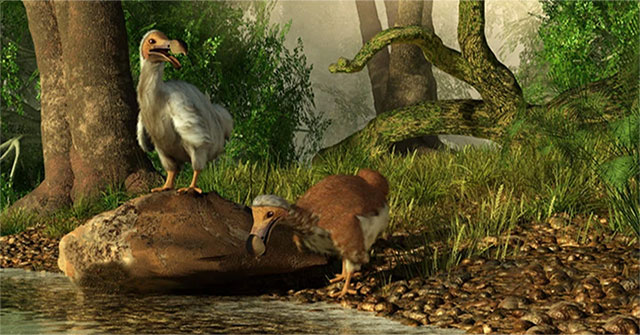
The dodo, one of the largest birds on Earth, faced extinction in the late 17th century and was officially considered extinct by humans in 1662.
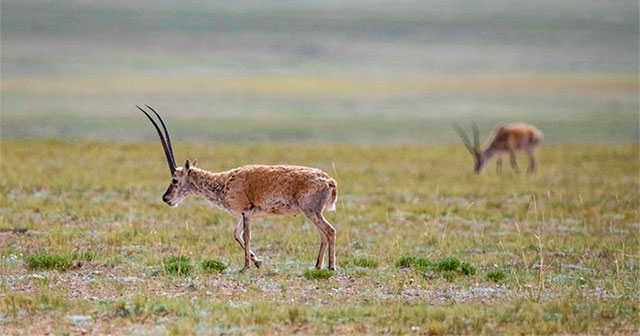
Chinese scientists have successfully decoded the chromosome-level genome of the rare Tibetan antelope, with the aim of discovering the secret to their survival at high a…

CNN predicts major research projects that could win this year's Nobel Prize in medicine, biology, and chemistry.
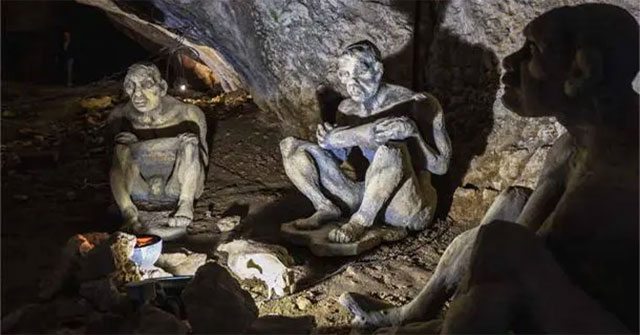
A new genetic analysis has revealed how the DNA of an extinct species crept into our Homo sapiens bloodstream.

New research led by King's College London (KCL) has discovered thousands of DNA sequences originating from ancient viral infections expressed in the brain.
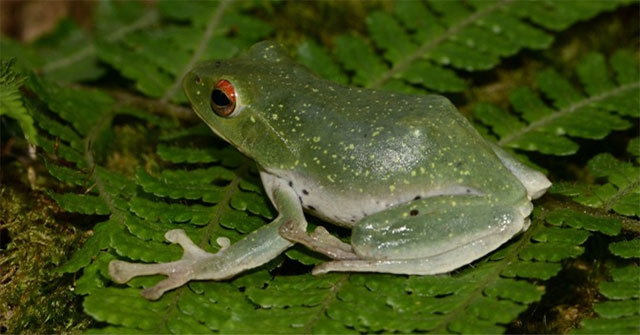
Researchers from the Institute of Genome Research discovered new amphibian species called the grass frog (Zhangixalus Thaoae) and the brown dwarf frog (Vietnamophryne au…
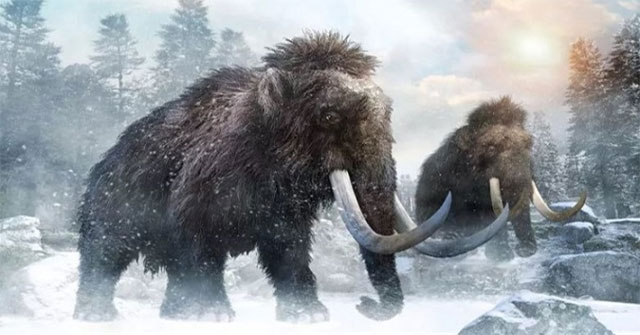
Geneticist George Church is trying to revive the woolly mammoth that went extinct 4,000 years ago.
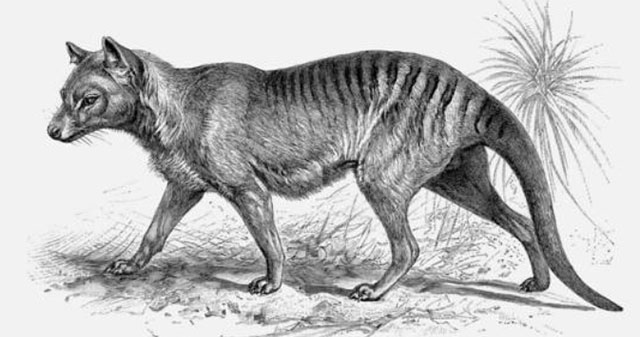
A project to regenerate the Tasmanian tiger from ancient and new genes is underway in Melbourne, Australia.