Environment
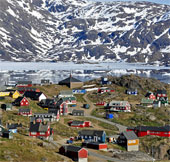
Greenland Island will be completely transformed by 2100
Climate change is likely to make the area most sparsely populated in the world due to the year-round snow covered by snow and ice in 2100.
Browse ScienceInfo articles and explainers related to Greenland.
127 published items.
Climate change is likely to make the area most sparsely populated in the world due to the year-round snow covered by snow and ice in 2100.
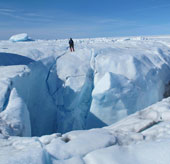
Dr. Marco Tedesco, associate professor of Earth and Atmospheric Science at New York City College, and a colleague have studied the impact of climate change on the face o…
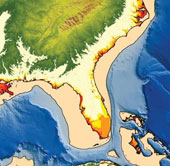
Why sea levels are rising faster than expected: estimates of future sea levels may be too low.
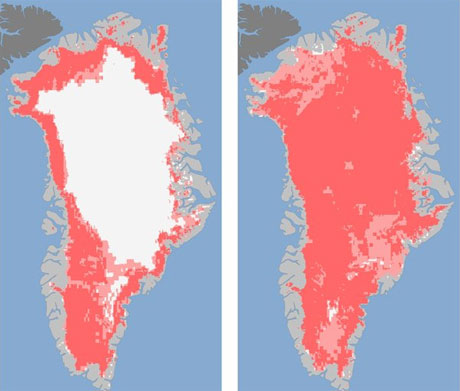
Nearly all of Greenland's large glaciers, the largest ice island on the planet, suddenly melted in part in July and surprised scientists. Three NASA satellites discovere…
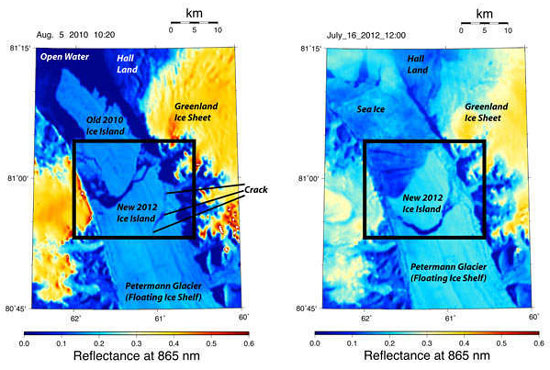
A glacier twice the size of Manhattan (USA) was torn off one of Greenland's largest glaciers, the latest sign of a dramatic change in this warming polar island.
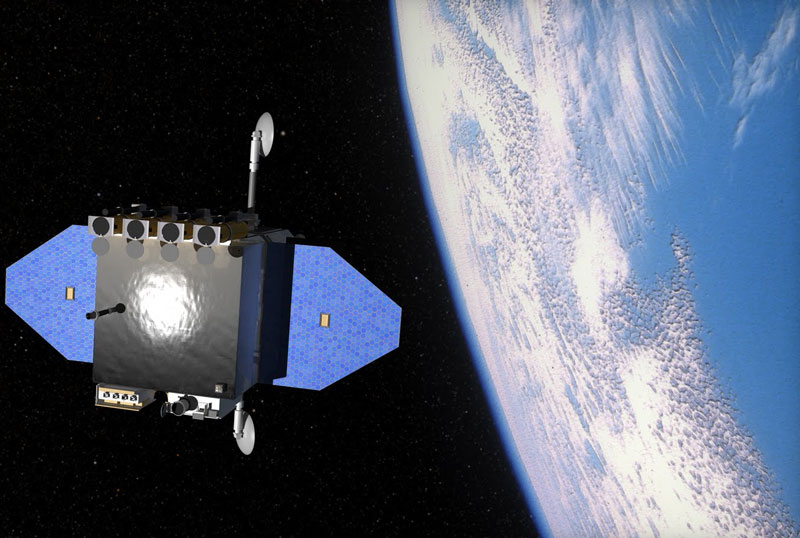
This data was provided by a team of University of Colorado experts at Boulder (UCB) and a spacecraft of the US Aerospace Agency (NASA). Accordingly, the global sea level…
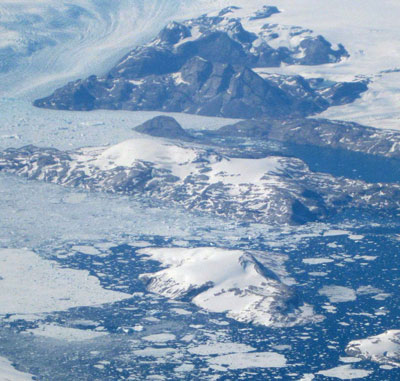
Tens of billions of tons of ice on Greenland melt annually due to rising global temperatures. That phenomenon caused the rock beneath the ice to rise continuously.
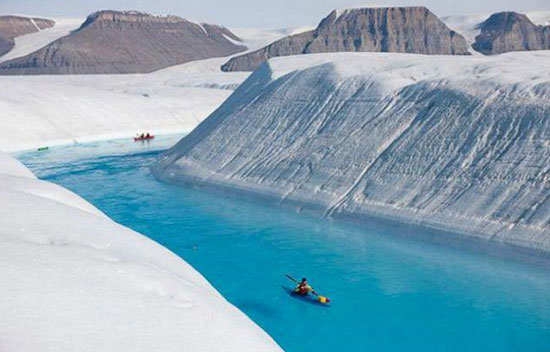
A large block of ice equivalent to four times the size of New York's Manhattan district has separated from a Greenland glacier and melted, shocking regional research sci…
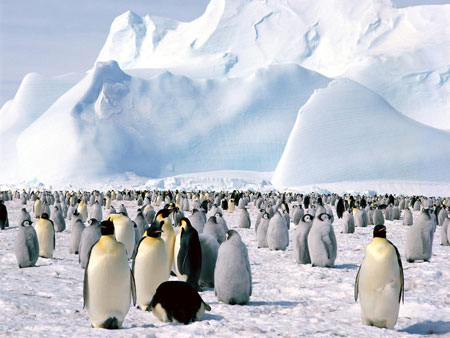
New Hampshire reports Donald Argus, a scientist from the US Aerospace Agency (NASA), and colleagues using global positioning satellites data for 15 years to track Antarc…
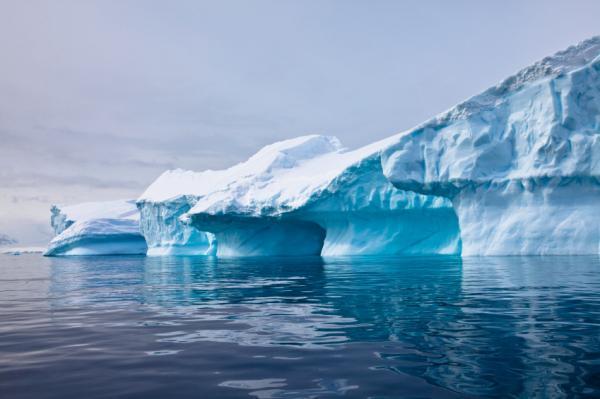
The ice in Antarctica and Greenland melting at 382 billion tons per year is creating a large amount of water flowing into the oceans. This amount of water is cornered to…

The scientific community still agrees that it is only a single phenomenon and not a sign of spring coming all around the northern hemisphere.
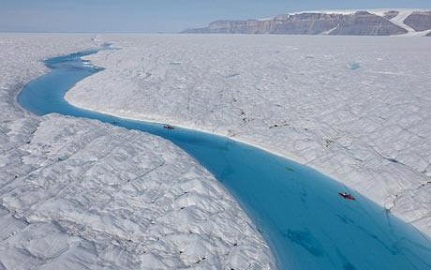
US scientists say an ice sheet of four times the size of Manhattan Island (260 km2) and a height of about 180m have been separated from the Petermann glacier in northern…
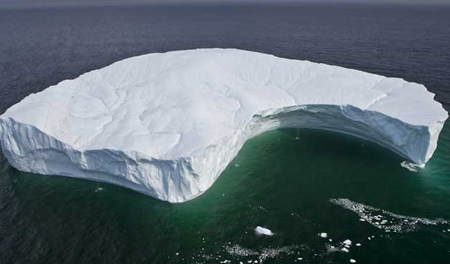
After separating from Greenland, huge ice blocks drifted over the Arctic Ocean, threatening the safety of ships and oil rigs.

According to scientists' conclusions, if Greenland's massive ice sheets melted due to global warming, Earth's sea level would rise by 7cm.
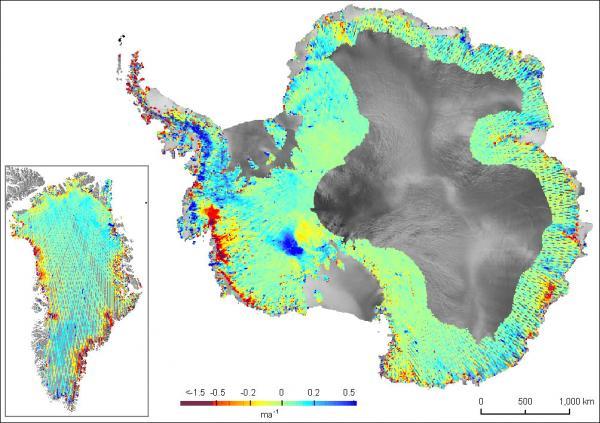
Recently, space satellites have provided scientists with the most comprehensive picture of rapidly moving glaciers along the Antarctic and Greenland coasts.