Medicine - Health
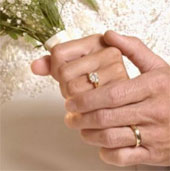
Happy marriage depends on DNA?
Some people say that the secret of a happy marriage is patience or never argue with a bed.
Browse ScienceInfo articles and explainers related to Happy.
285 published items.
Some people say that the secret of a happy marriage is patience or never argue with a bed.

A recent study by Harvard scientists explained the feeling when talking about yourself to others and sex is the same. It was a happy, excited feeling like receiving the…

Beer lovers will be happy to know that scientists are seeking to synthesize artificial yeast, an achievement that can make beer cheaper and more charming.
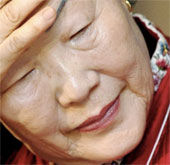
When a woman over 90 years old is really happy, this is the conclusion that Japanese scientists presented recently at the Science Symposium meeting in Osaka.

The boy, James Edgar, 11, of Caernarfon, Northern Wales (England), seems to be the most

US researchers say that helping people in a real way not only makes you happier, but also protects your health and prolongs your life, according to UPI news agency.

Scientists from McMaster University, Canada, found fat gene, also known as happy gene, FTO gene, linked to 8% of the gene. reduce the risk of depression.

A new study on elderly people said that feel-good hormone (a hormone that makes you happy) helps to recall memory.

A new study shows that early risers are generally happier than those who work at night. According to Live Science, researchers from the University of Toronto conducted a…

Why do we still have a delicious dessert after enjoying a full meal, even if you know it is not good? According to psychologists, that's because the stimulated dessert f…

According to a survey by Friends Reunited, a British social networking site, 70% of participants over 40 years old claim that they are happiest at age 33.

In contrast to every mother and father in the world, whenever she saw a happy and happy 7-year-old son, Toni felt fear of ligation.

British psychologists have shown that people with melancholy are better at remembering faces than happy people.

People with happy married lives have less to undergo heart surgery, which is three times more likely to survive than those who are not married.
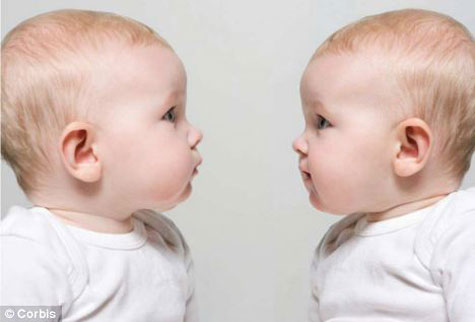
There are many myths about the health, personality and behavior of twins. How do physicians and psychologists explain these myths?