Biology
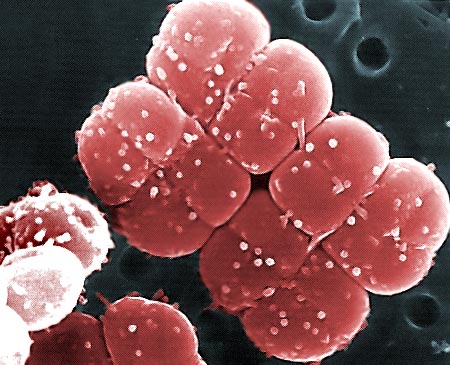
Bacteria live millions of years on Mars
The species of radiation resistant bacteria has a nickname
Browse ScienceInfo articles and explainers related to Harsh.
191 published items.
The species of radiation resistant bacteria has a nickname

A new bacterium, Pyrococcus CH1, can live in environments with temperatures between 80 and 105 degrees Celsius, and is capable of self-dividing under a hydrostatic press…

Recently scientists have clarified the life of bacteria in harsh environments. Research by Professor Peter Golyshin of Bangor University, with an international research…
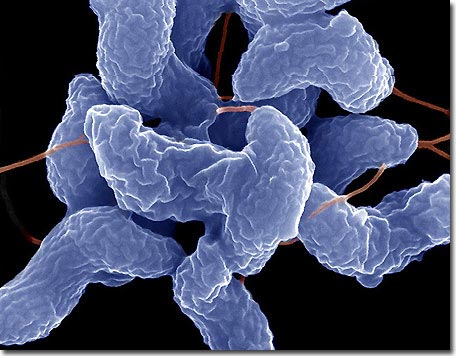
Like the brothers forced to separate because of the harsh life, two species of bacteria conduct the unification process after finding each other in the intestines of ani…

For many years, microbiologists believe that ancient bacteria are 'extremophile' (organisms that live in extremely harsh environments). The limited physiological diversi…
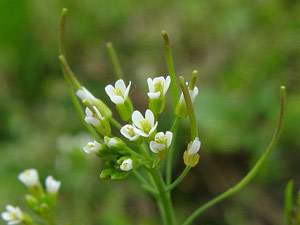
Plants have a harsh life because they must always cope with constraints in the environment such as light, lack of water, salinity of the soil, temperature or resistance…
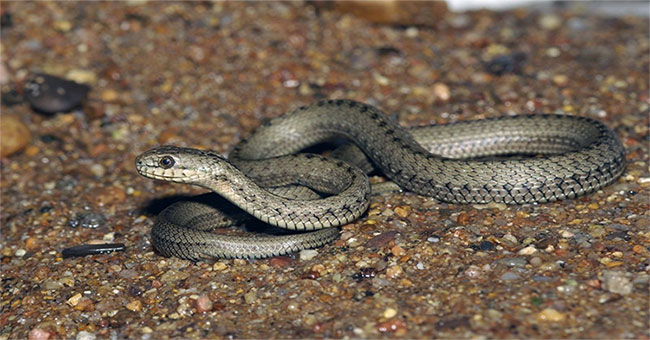
Researchers found that Tibetan snakes have genetic changes to survive in harsh environments.
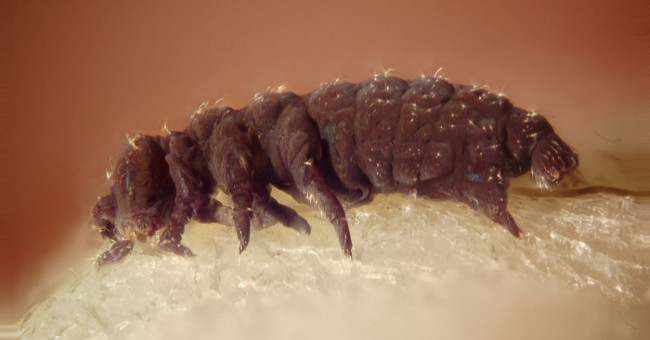
This creature is nearly impossible to destroy, able to survive comfortably in the harshest conditions. Now, people have found the mystery behind them.
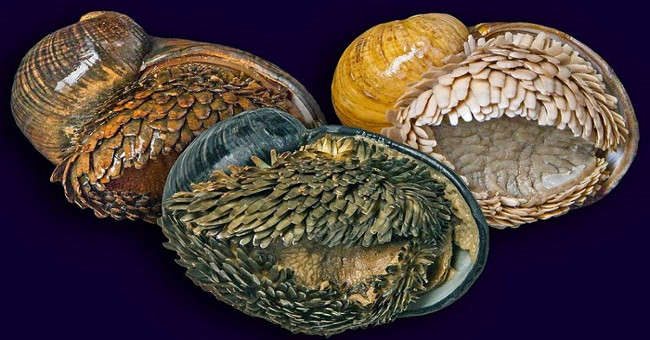
Looking at this strange animal, one immediately mentions a snail with iron armor and creepy feathers.
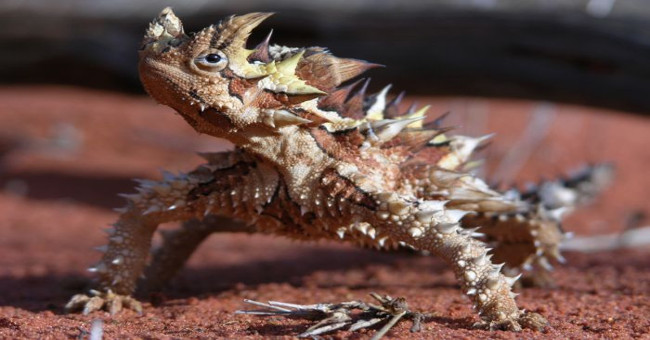
The demon thorns use the skin as a straw, helping them survive in the arid desert of Australia.
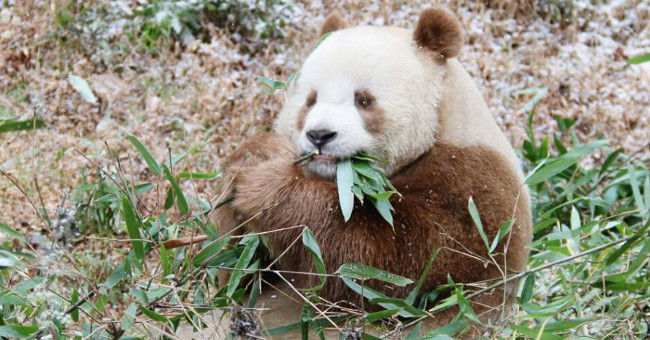
The only brown panda alive in the world must cope with the long, harsh winter in China.
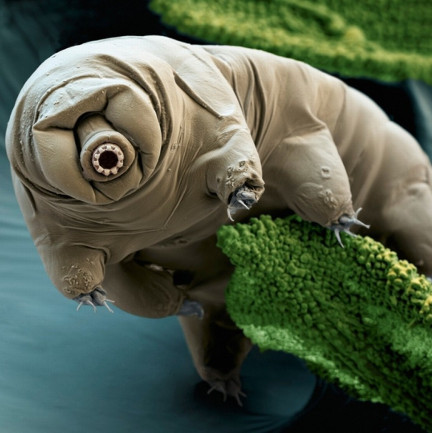
The only animals that can survive in harsh environments in space without special support devices have the most exotic DNA among species.
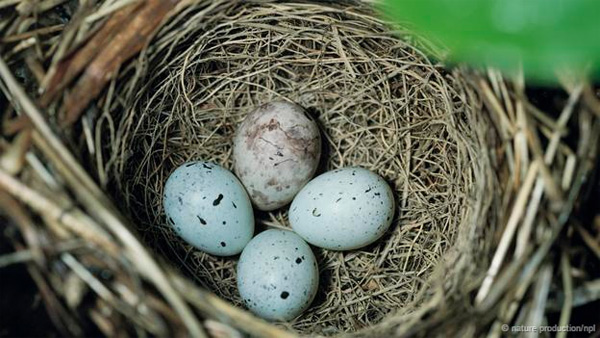
To cope with the harsh challenges of nature, mother birds have soon prepared psychic powers for children since they were in eggs.
A new study of the ability of birds to fly high and survive in harsh conditions is significant for those suffering from hypoxia-related diseases.