Animal world
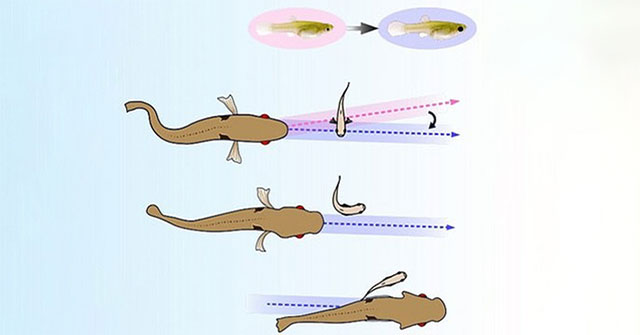
Strategy to help rainbow fish evade enemy attacks
New research shows that rainbow fish defend themselves by luring predators to attack the head and then suddenly changing direction to escape.
Browse ScienceInfo articles and explainers related to Head.
1,353 published items.
New research shows that rainbow fish defend themselves by luring predators to attack the head and then suddenly changing direction to escape.
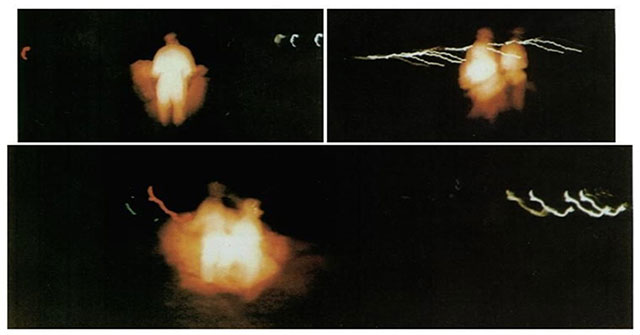
Strange encounters with UFOs (unidentified flying objects) and mysterious passengers on them take place around the world, but most of the reports involve from the United…

While going to Dau Tam Mountain to exploit stone, local people discovered a ceramic vase in a stone niche.

Red-tailed black cockatoo (Calyptorhynchus banksii) is a species of bird in the Cacatuidae family. This is a symbolic bird of Australia.

A newly discovered cave in Kueng Kan province has a surface resembling the scales of the legendary Naga snake.

2002 NN4 was discovered in 2002. It is expected that around 10h20 on 6/6, this meteorite will fly over our planet at a distance of 5.93 million km.

Hot summer sure fans are indispensable items. however, if you fan directly into some locations, especially girls, may have very serious physical consequences.

The image of ducks with lovely fluffy hair is becoming the talk of animal-loving communities.

For centuries, owning a glossy head often gave off a sense of intelligence, though, many bald people expect their hair to grow back.
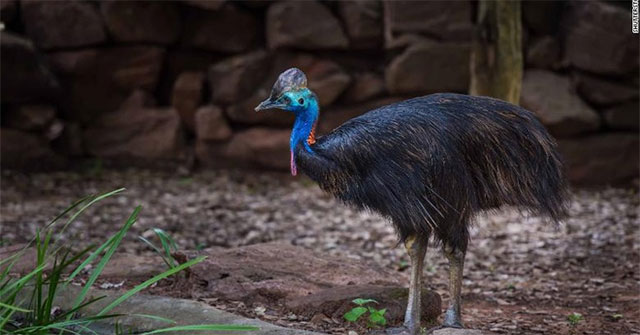
Scientists have recently discovered why the ostrich-headed ostrich bird is strangely shiny.
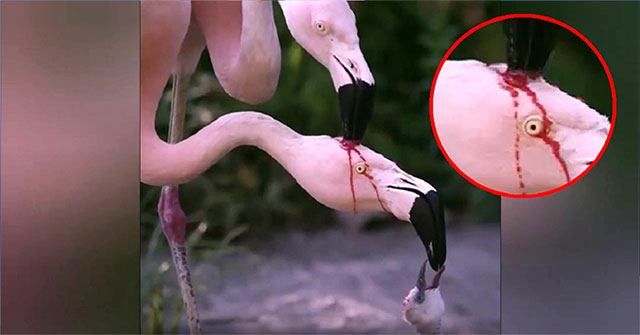
The cause behind the image

Clouds in the sky suddenly fell to the ground and were flying only 1 meter away from people's heads.
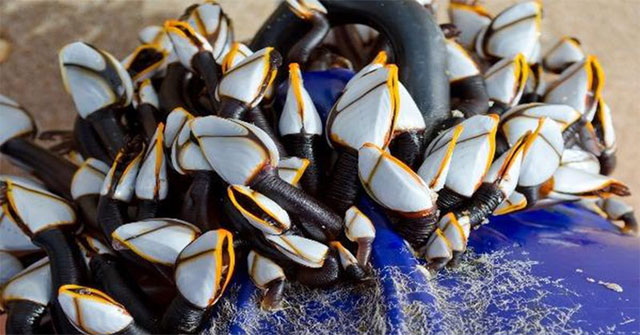
The waters of Galicia in northwestern Spain are famous for a variety of high-end seafood, in which the goose snail is considered to have a very high nutritional value wi…

Seedless fruits are grown by stimulating the pistil head of the flower along with the help of plant hormones (phytohormone) that trigger the ovary to develop.

Singapore scientists have discovered a MET gene, a genetic variation associated with a high risk of lung and head and neck cancers.