
History
The Unknown About Entomological Warfare in History
For centuries, insects have been used as biological weapons to spread disease and destroy crops.
Browse ScienceInfo articles and explainers related to History.
1,661 published items.
For centuries, insects have been used as biological weapons to spread disease and destroy crops.
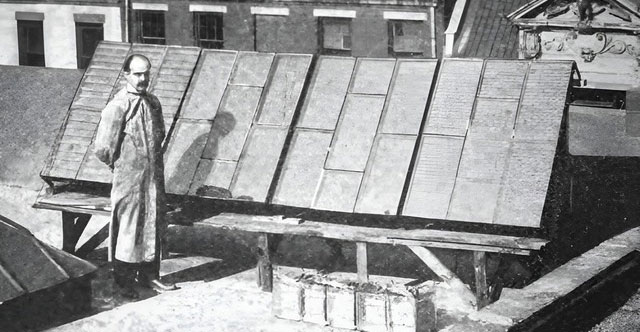
Solar panels are one of mankind's greatest inventions and their history is more interesting than you might think.
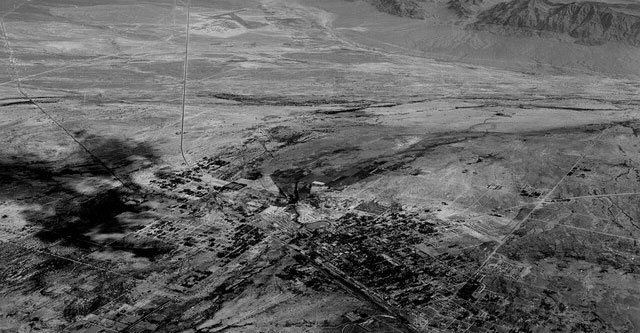
Before becoming the world famous gambling capital, Las Vegas went through a rather interesting formation and development process that not everyone knows!
History is a vast field of knowledge. No one can claim to fully understand history, especially the small details.

In medical literature, the origin of the syringe can be traced back to the early years of the AD. Since then, syringes can be made of all kinds of materials from metal,…
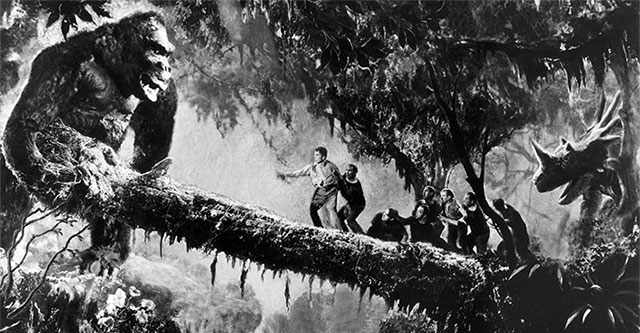
The film King Kong (1933) made its mark in cinema history with its groundbreaking special effects and compelling storyline, captivating audiences from the moment it was…

At 2.72 meters tall, Robert Wadlow was considered the tallest man in human history. But a small injury killed the 'Illinois giant'

Philosophy, from ancient times to the present, has always contained rich schools of thought, from stoicism to nihilism.

Chinese doctors bring a ray of hope to patients fighting diabetes with cell therapy.

In the age of technology 4.0, everywhere people talk about AI and people even see AI as a 'monument' in computer technology rather than just a simple trend.
June 5 every year becomes meaningful and important to the environment around the world because this is 'World Environment Day'.
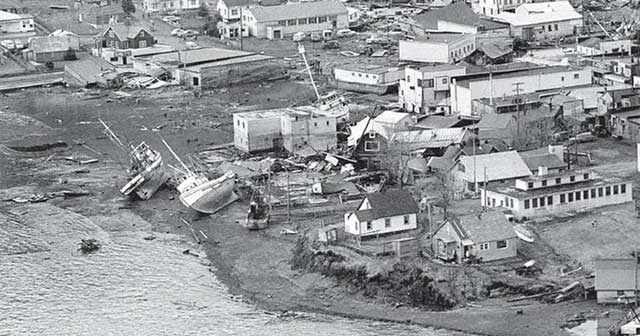
60 years ago, the largest earthquake in American history shocked geologists.
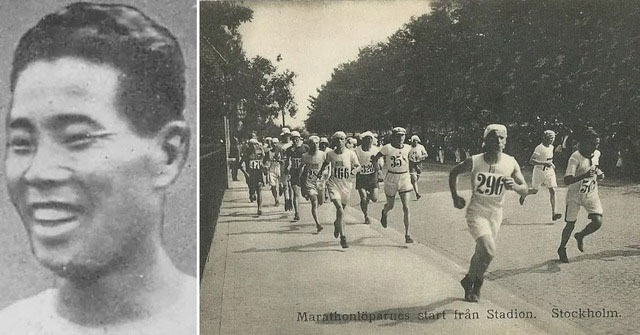
Shizo Kanakuri, a Japanese athlete, is famous for his unique record: completing the longest marathon in history, lasting 54 years, 8 months, 6 days, 5 hours, 32 minutes…
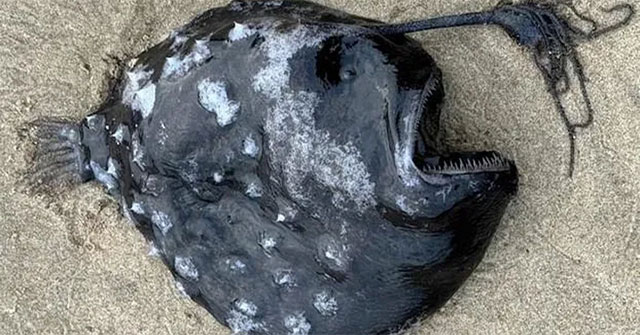
For the first time in history, a fish living thousands of meters below the sea floor washed ashore at Cannon Beach, Oregon (USA) last weekend.
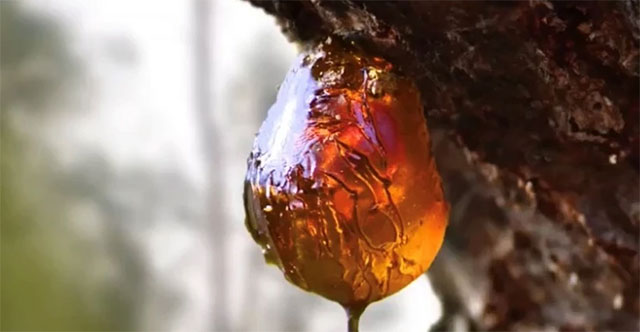
Warm-colored amber samples act as a 3-dimensional window to help scientists recreate ancient ecosystems through the countless animal and plant entities they contain.