Archeology
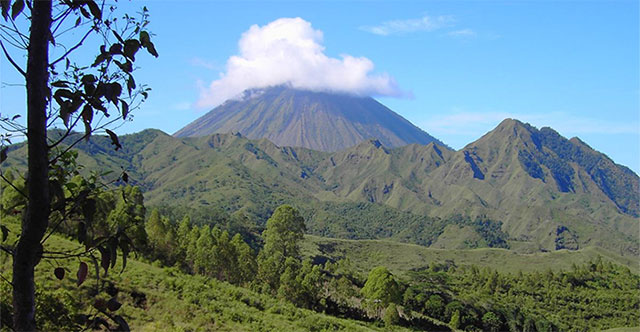
Ancient humans may still live on Indonesia's Flores island
An anthropologist suggests that the ancient human species, Homo floresiensis, commonly known as
Browse ScienceInfo articles and explainers related to Hominin.
14 published items.
An anthropologist suggests that the ancient human species, Homo floresiensis, commonly known as
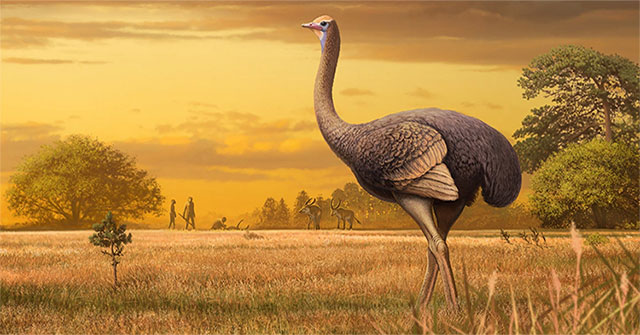
Experts found the giant bird running very fast, living 1.5-2 million years ago, may have been the target of prehistoric hunters.
Human ancestors began eating grass half a million years earlier than previous studies, as soon as they left the tree life.

Many sailors guessed that they had seen the fishman, but few believed it to be true and often assumed that because they were tired of harsh sea lanes, they mistakenly be…
Scientists recently published archaeological findings in Algeria with many animal and stone tools showing that not only East Africa, but all of Africa, is the cradle of…
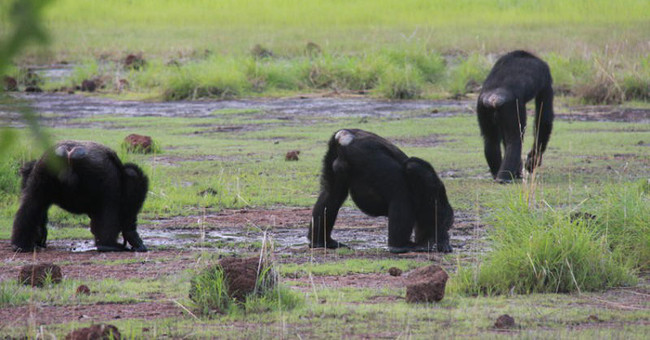
When comparing chimpanzees - relatives of humans, living in dense forests and savanna, scientists recognize many difficulties of primitive people when changing their hab…
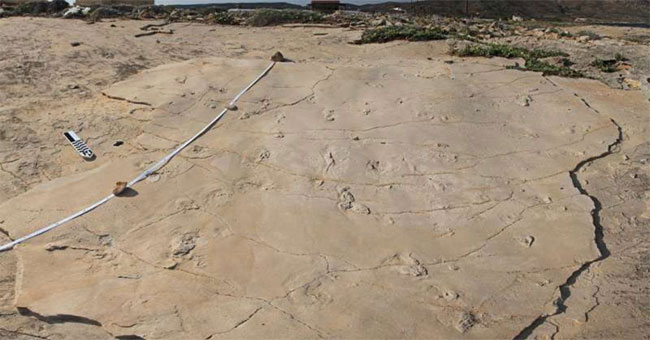
Scientists with the discovery of Australopithecus fossils in southern and eastern Africa in the mid-20th century have suggested that human origins originate in Africa.

Many previous studies have shown that modern ancestors in Asia and Europe crossed with primitive Hominin humans, including Neanderthal and Denisovan.

Spanish scientists have discovered an ancient human fossil finger bone. It may be the bones of the Hominin human body, existed 1.84 million years ago.

The hominin, our ancient ancestor, must be attracted by the terrain of the rocky uplands and these topographic canyons giving them shelter and many opportunities to trap…

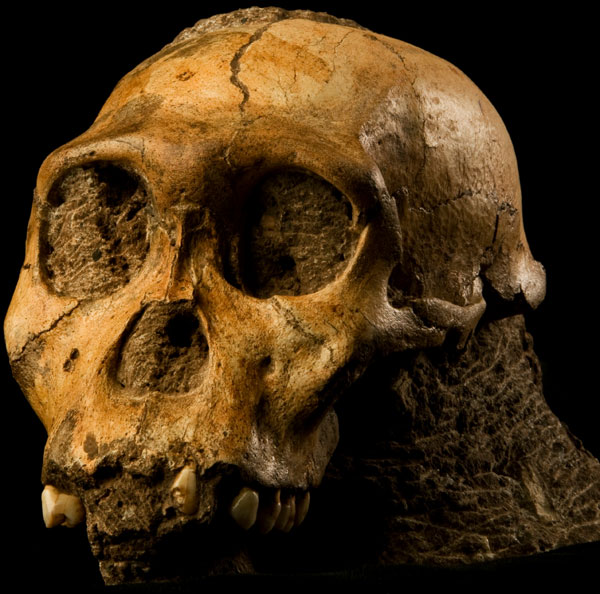
The nearest ancestor of a human lineage may have lived through the day by eating leaves, berries and bark of mountain forests instead of a grass-based menu as other exti…

Australian scientists believe that prehistoric people lived on the Indonesian island of Flores at least a million years ago.

Scientists found an ancient strain that had never been known after analyzing DNA samples from a finger bone they found in Siberia.