Discover science
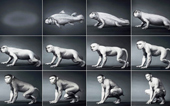
See 550 million years of human evolution in 1 minute
In the next 60 seconds, you will be on the time machine upstream to visit human ancestors hundreds of millions of years ago.
Browse ScienceInfo articles and explainers related to Human Evolution.
37 published items.
In the next 60 seconds, you will be on the time machine upstream to visit human ancestors hundreds of millions of years ago.
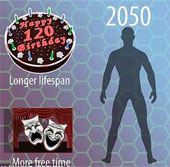
A researcher from the Global Brain Institute declared, around 2050, we will evolve into a new kind of people.
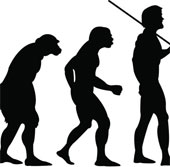
As humans, it's hard to resist the thought of people being the pinnacle of evolution. But not really.

Evolution takes place in response to external influences, eliminating which individuals are less able to cope with those pressures, allowing more suitable individuals to…

New research on genetics has confirmed the Darwinian theory of evolution in species, and the object here is human.

A new study published by Canadian and American scientists published in the journal
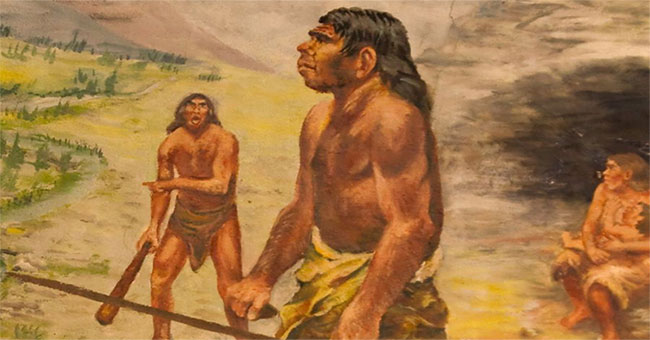
Previously, scientists believed that the FOXP2 gene, was associated with the development of speech. It is this gene that explains why modern humans have the advantage of…
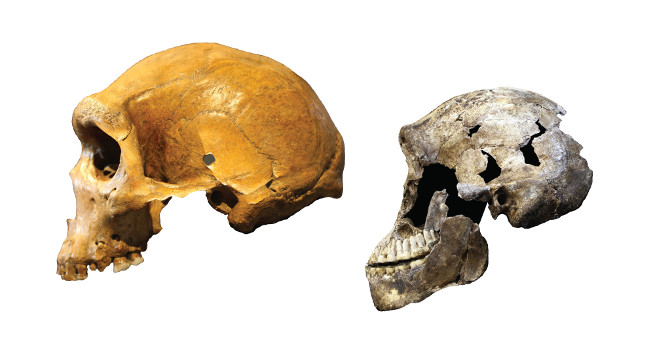
Homo naledi fossil dating is found in South Africa and corpses can reverse scientific knowledge of evolution.
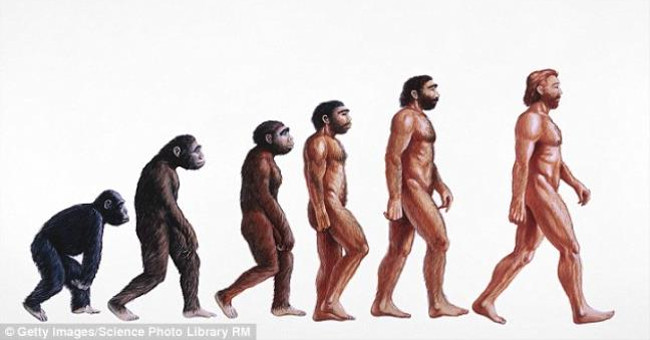
Evolution is a very long process but not perfect. This is true even for humans.
Human history is encoded in the lice 's genome, helping researchers to see hidden aspects of human evolution.
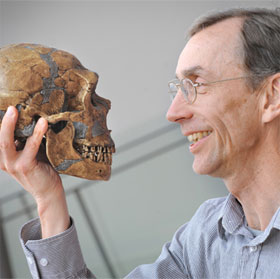
German scientists say they have completed the first high-quality Neanderthal genome decoding work, and are preparing to publish it online for other scientists to study.
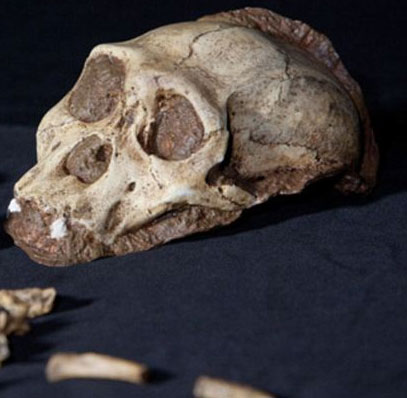
Scientists have discovered two quite complete skeletons with a life of 1.9 million years. In it, it is important to have some skin left, creating a premise to test our a…

Scientific evidence published on April 9 has added a missing link in the evolution from the ancient people to the modern people.

Scientists have found that a meat-eating bacterium can cause fatal infections that evolve rapidly, within 35 years.
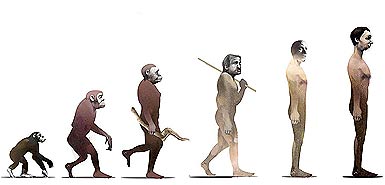
Humans will not take another step in the evolutionary path because the impetus for it is disappearing, a leading UK genetic expert said.