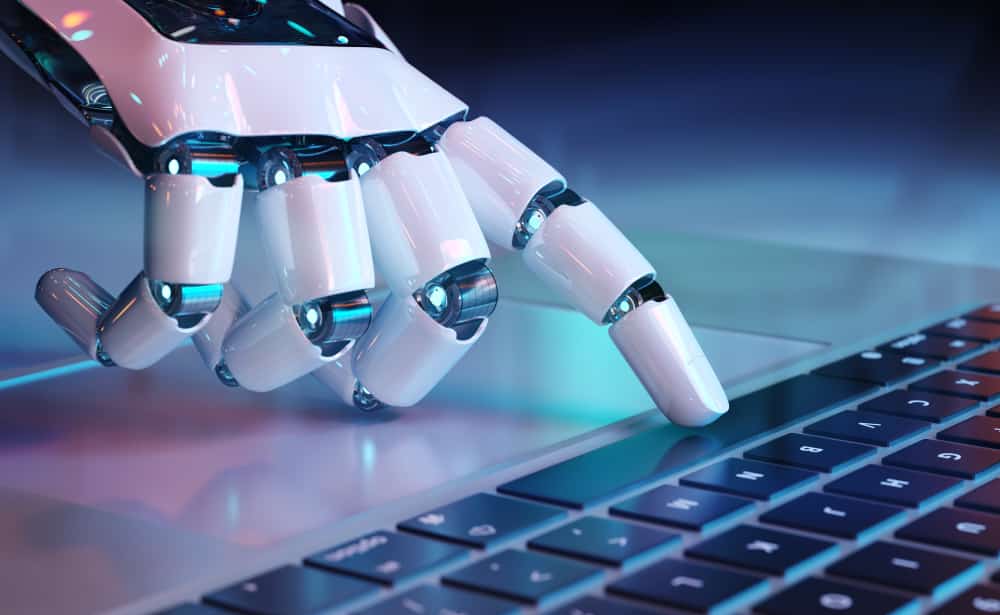
AI - Artificial intelligence
Korea develops robotic hand as flexible as human hand
South Korean scientists have developed a robotic hand that is strong enough to crush a can, but dexterous enough to use a
Browse ScienceInfo articles and explainers related to Human Hand.
15 published items.
South Korean scientists have developed a robotic hand that is strong enough to crush a can, but dexterous enough to use a

Although people like to think whales are fish, they are also called whales, but they are not actually fish, but mammals.
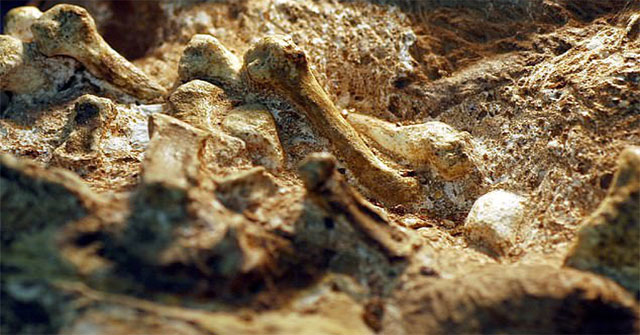
An individual likened to a hominid of hominid and true human has just been unearthed in South Africa.
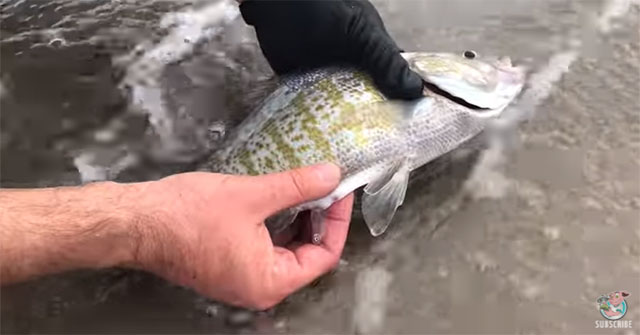
Recently, when fishing with friends on the beach in southern California (USA), a man caught a pretty big surfing fish.
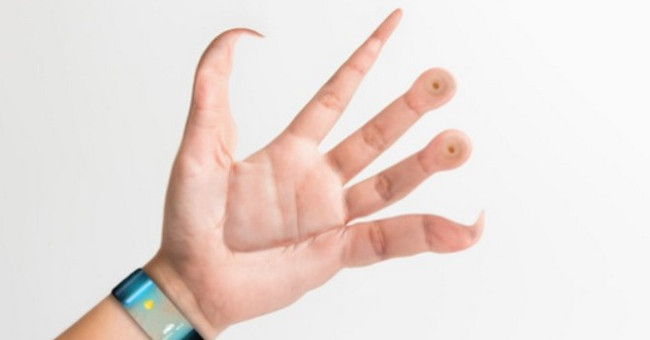
What effect will future technological advances have on human evolution itself?

Men's battles have fueled the evolution of human hands, making it different in shape from other primates.
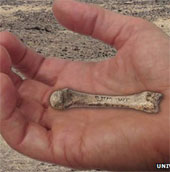
Scientists have discovered an ancient bone in a tomb in Kenya, revealing the ingenious ability of human hands to evolve 600 million years earlier than previous studies.

The newly discovered fossil has helped explain the transformation at the hands of early humans to become the present form.

According to recent research, all parts of the human hand emit light, but the fingers glow more. This finding reinforces a previous study saying that most living things,…

Mr. Wood in Suffolk (UK) is a professional photographer, specializing in photography for car magazines. One day, Wood discovers that his father has become close friends…

The research repeatedly mentions the Creator of a Chinese group of writers with harsh criticism and a strong boycott from the scientific community around the world.
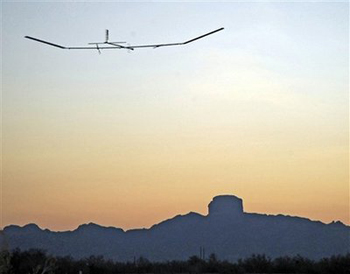
A solar powered aircraft broke the world record for drone time in a take-off.

We humans are often proud of their extremely flexible hands. Things like typing on a keyboard or making coffee, we can use our hands without focusing.

This product is the result of 7 years of research and development, applying military technology and using formulas from F1 racing engineers.
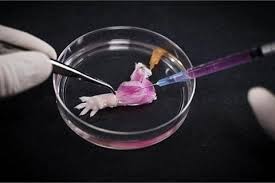
For the first time in the world, scientists were able to create an arm living in the laboratory. And when pairing it for a mouse,