
Medicine - Health
Successfully developing blood from human skin, opening a new era for medicine
There will be no need for humanitarian blood donation anymore, because people are about to have an endless source of blood from the patients themselves.
Browse ScienceInfo articles and explainers related to Human Skin.
50 published items.
There will be no need for humanitarian blood donation anymore, because people are about to have an endless source of blood from the patients themselves.

A group of scientists from Massachusetts General Hospital and Harvard Medical School used adult skin cells to regenerate functional heart tissue.
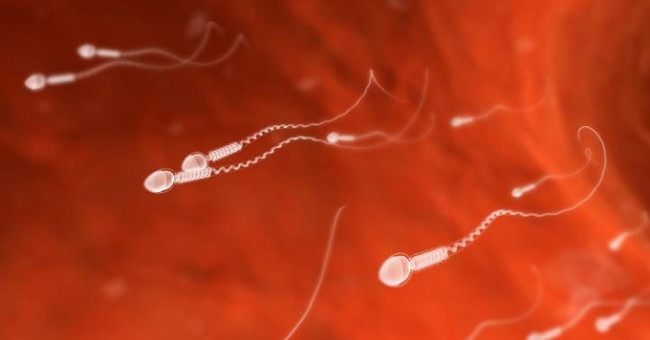
Spanish scientists on April 27 said they have created sperm from human skin cells, a medical feat that could eventually open the way to treating infertility.
British scientists use skin cells to create sperm and eggs, an achievement that could lead to a revolution in infertility treatment.

Human skin can smell itself and other odors, according to a new study, which also identifies a pleasant and popular scent, which promotes skin healing.
The research team at Kyoto University (Japan) has succeeded in creating cells with cartilage cell properties from human skin cells.

Scientists have discovered how to freeze adult skin cells so they don't age, helping us stay young.
Scientists have used stem cells extracted from the skin to develop 3D tissue that mimics a human brain. The breakthrough is expected to help treat neurological diseases…
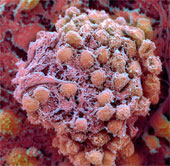
US scientists have recently reported making human embryonic stem cells from skin cells using cloning techniques.
While humans have used the power of yeast to ferment bread and beer, the function of yeast and of other fungi living in and on the human body is not well understood.
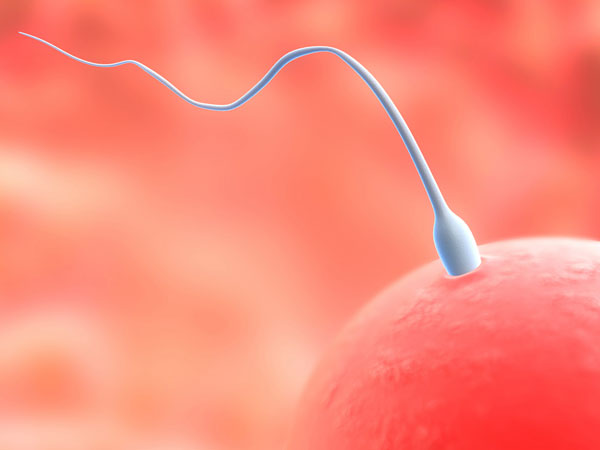
Scientists have succeeded in producing early-stage sperm from human skin cells. This technique opens up the prospect of helping thousands of infertile men, including tho…
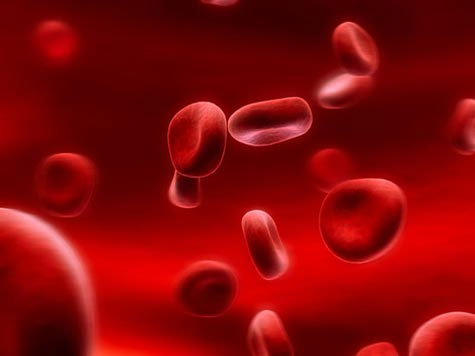
From skin cells, a group of scientists at McMaster University, Canada, successfully produced human blood.
Cancer-causing genes can also transform normal healthy cells into identical cells of human embryonic stem cells, according to a new study.
Scientists have successfully built materials that can sense pressure like human skin.
US scientists use 3D printers to create tiny hearts and liver chambers, hoping to be used in the field of medicine in the future.