Oceanography
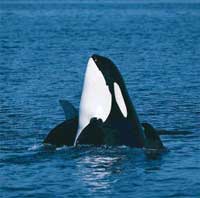
Whales know how to sing
The whining of the blue whale is a complex sound that may be deeper than any human hearing limit. Those sounds are so powerful that they can pass through the ocean. Argu…
Browse ScienceInfo articles and explainers related to Human.
6,757 published items.
The whining of the blue whale is a complex sound that may be deeper than any human hearing limit. Those sounds are so powerful that they can pass through the ocean. Argu…
About 50% of the total amount of CO2 emitted by humans since the industrial revolution has dissolved into the world's oceans, adversely affecting marine organisms.
High-tech electronic cards mounted on whale sharks - the world's largest fish - have revealed their journeys and feeding grounds.
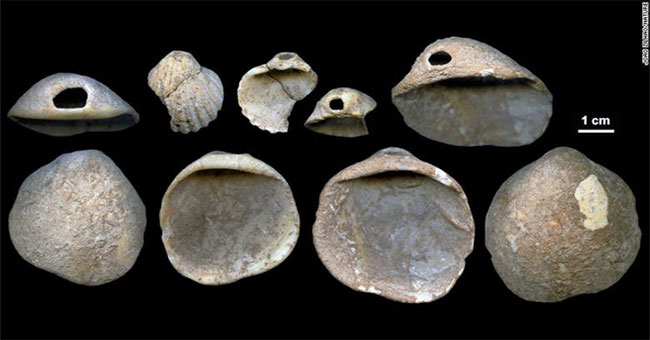
Scientists recently published archaeological findings in Algeria with many animal and stone tools showing that not only East Africa, but all of Africa, is the cradle of…
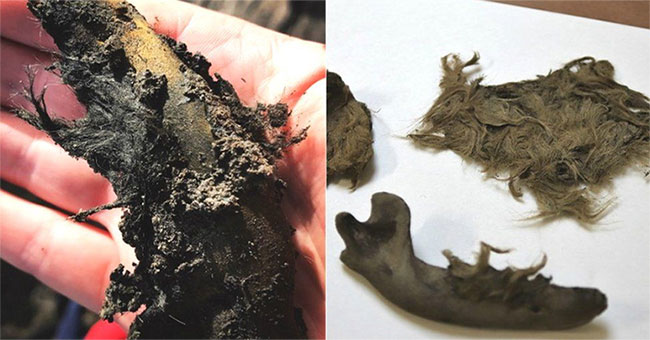
Experts found that a part of dog bodies from ancient times and some other antiques in Vindolanda, Northumberland, and England, reported on November 10.
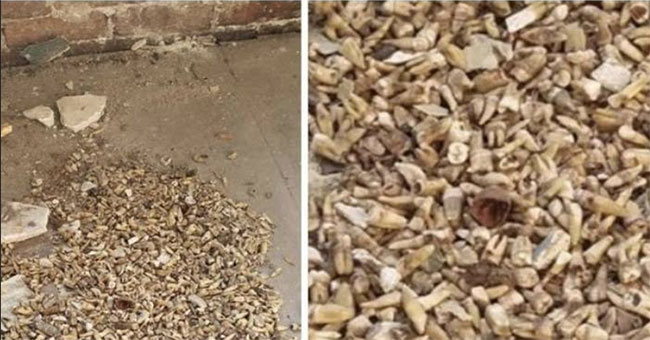
Ancient dentists may have placed new teeth in the alcove and considered it a quick way to dispose of them.
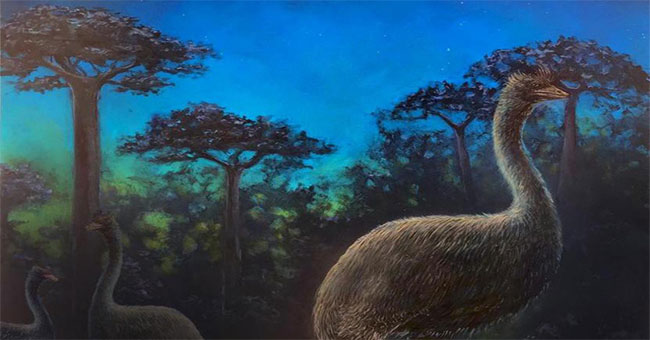
Researchers at the University of Texas say the bird, once living in Madagascar, is a nocturnal species and is likely to be blind, based on studying its brain shape.

An international team of researchers from the Department of Human History at the University of Iena (France), Freie University Berlin and York University have identified…
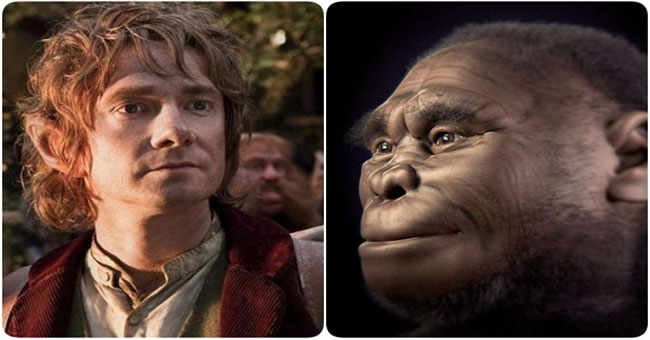
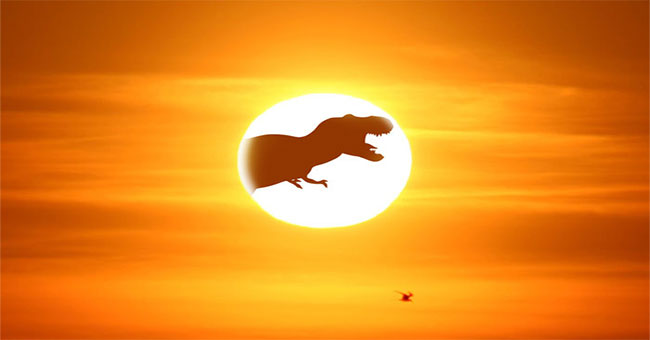
According to the Current Biology magazine, when hunting human ancestors, carnivorous dinosaurs can affect our bodies without the protection against ultraviolet radiation.
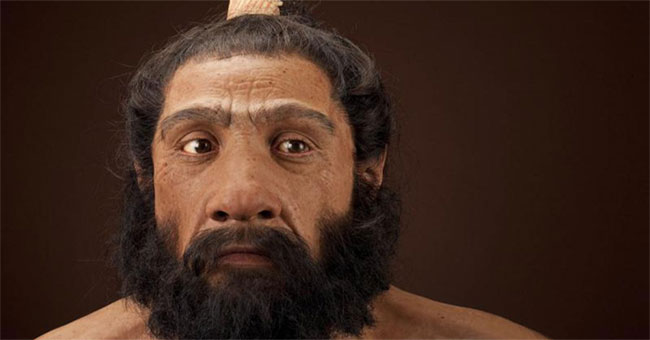
Scientists from Stanford University have discovered that ancient dates have led to an important exchange of DNA to protect people from disease after they leave Africa.
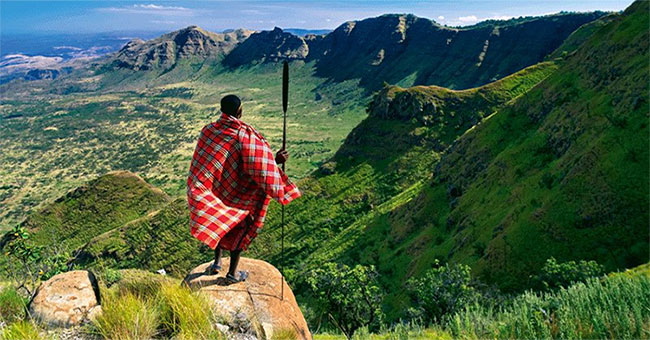
The multinational archaeological team led by Richard Owen, a scientist from Hong Kong Baptist University, has deciphered the interesting secret related to the modern hum…

In volcanic caves there are numbers from C1 to C6, scientists find thousands of relics are ceramic pieces, stone tools, stripped pieces, sketches, animal teeth, freshwat…
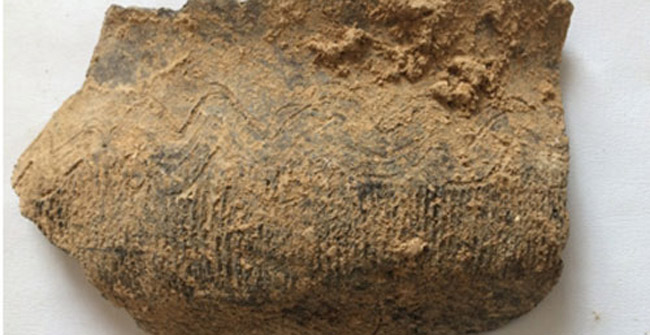
There are about 10 pieces of skull, human teeth and many bones of bones that are mixed in ceramic pieces at a depth of nearly one meter.
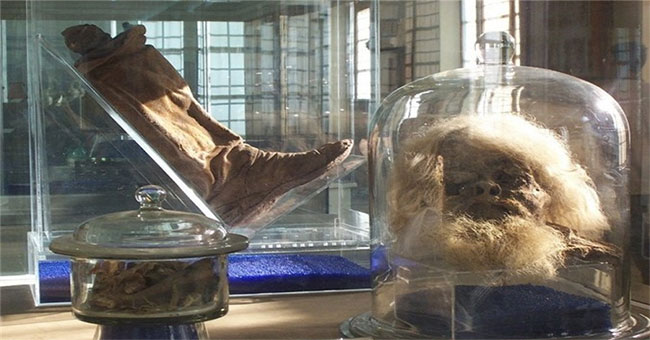
Salt caves are located in northwestern Iran, near the villages of Hamzehli, Mehrabad and Chehrabad, Zanjan province.