Archeology
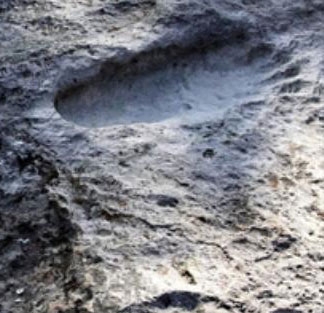
Human footprints date back to 25,000 years in Mexico
The Institute of Anthropology and History of Mexico (Inah) said it has discovered human footprints dating from 4,500 years to 25,000 years in the Tarahumara mountain ran…
Browse ScienceInfo articles and explainers related to Human.
6,757 published items.
The Institute of Anthropology and History of Mexico (Inah) said it has discovered human footprints dating from 4,500 years to 25,000 years in the Tarahumara mountain ran…

During the period of 11,000 - 6,000 years before BC, humans, despite having no tools or machines, could chisel and successfully build Gobekli Tepe temple in southeastern…
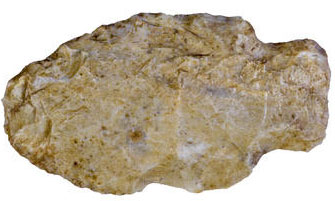
Researchers at the University of Liverpool have discovered that the rapid fluctuation of temperature coincides with the emergence of distant relatives with humans and th…
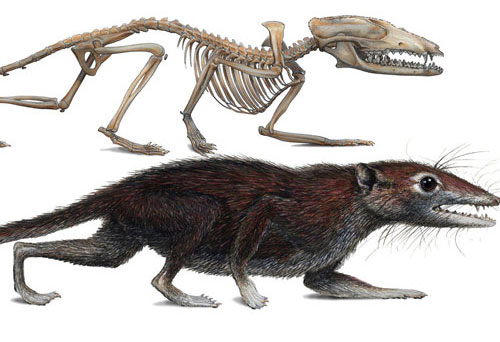
The oldest fossils of most mammals today, including humans, have been discovered.

New evidence shows that human ancestors started cooking about 1.9 million years ago, and this finding also explains the structure of the teeth and intestines of modern p…

The interaction between Neanderthals and one species in the extinct genus Denisovan helps strengthen the immune system and leave evidence in the DNA of modern humans.
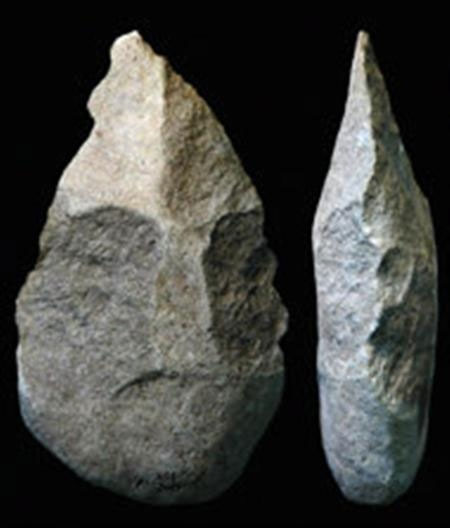
A group of researchers has discovered that the earliest stone labor tool of ancient humans dates back to 1.76 million years, but was not carried away when the ancient pe…

Scientists say an ape-like primitive creature that lived about 2 million years ago is the species

Scientists have shown that modern human genes have some traces of Neanderthals, but a recent study (September 12, 2011) shows that sex between the two strains is a rare…
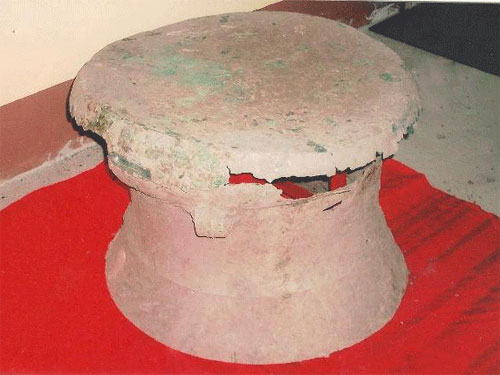
The authorities have just discovered a bronze drum dating from about 2,000 to 2,500 years at the coffee field of Mr. Do Van Ninh's family, Dien Bien 3 village, Ea Kmut c…

Archaeologists have found 17 human skeletons in a valley in England. According to experts, this is evidence that Jewish children were killed and thrown into wells after…

A group of researchers, led by Professor Raul Tito of Oklahoma University, have discovered the dog bone dating back to 9260 years, preserved naturally in human feces.

A new study suggests that fire is used by humans in Europe later than people have thought for a long time

Archaeologists from York University, England, have found a fairly intact brain in Yorkshire, a county in northeastern England, dating back 2,500 years.
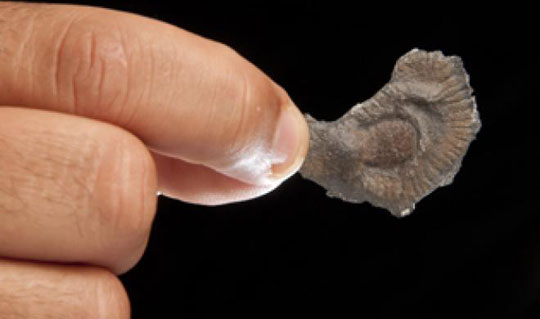
Multicellular organisms can evolve in the pre-Cambrian period, 100 million years earlier than the previous scientific calculations.