Photo library
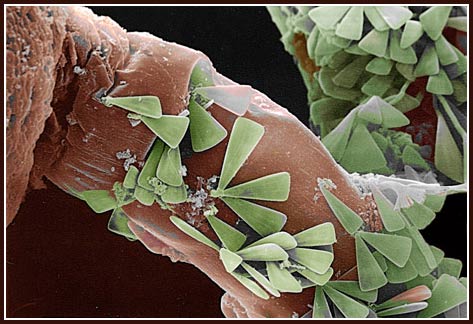
Best science photo 2008
The award is awarded annually by the US National Science Foundation and Science magazine, for photographs using modern technology to realize complex scientific topics.
Browse ScienceInfo articles and explainers related to Human.
6,757 published items.
The award is awarded annually by the US National Science Foundation and Science magazine, for photographs using modern technology to realize complex scientific topics.
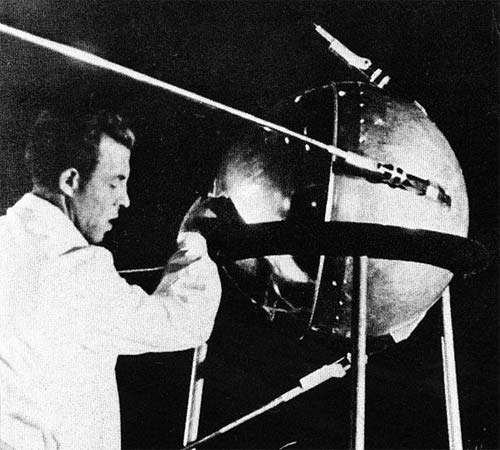
Rounded 50 years ago on October 4, 1957, world history marked a new milestone by the Soviet Union launching its first satellite into space. This event kicked off a space…
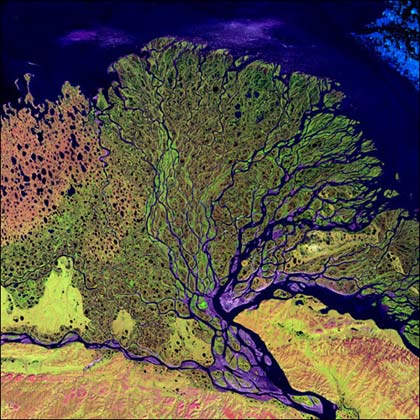
Nearly 30 years after the first astronauts flew to the Moon to be a shocked humanity with photographs of the first Earth

Imagine yourself being set foot in a place full of human bones. Surely your feeling will be extremely frightened and trembling before a pile of ribs, skulls ... So in th…
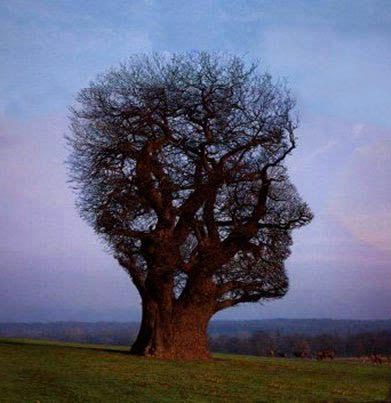
Just one of the human impact, or sometimes the creation, the plants around us suddenly become lively and lovely. You will see more love of things, trees around us, when…
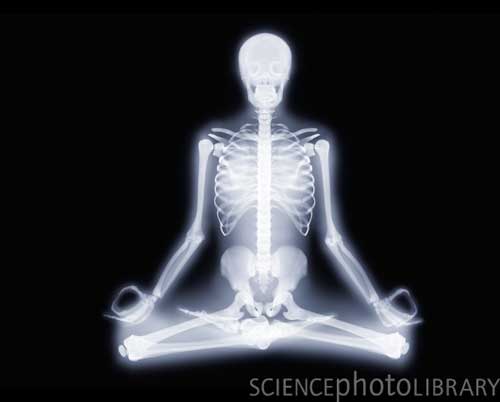
You must have seen the X-ray image of every human body part, but have you ever seen the whole X-ray of the human body when you were active? scienceinfo.net would like to…
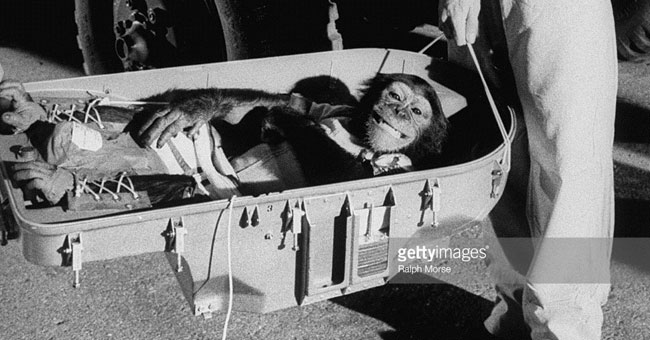
25 extremely rare historical photos will give you a different perspective on world history and humanity.
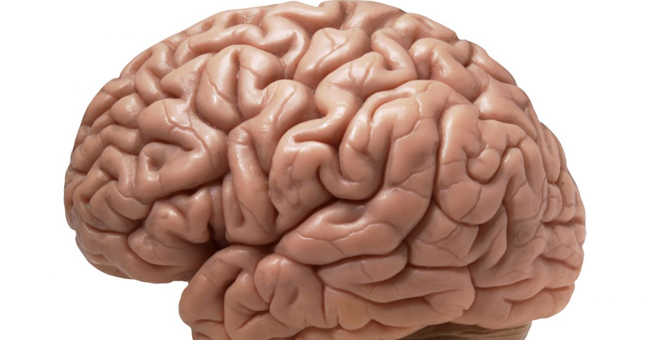
The brain is the most complex and mysterious organ in the human body. Scientists have had many studies on them but the brain still has many mysteries with us.
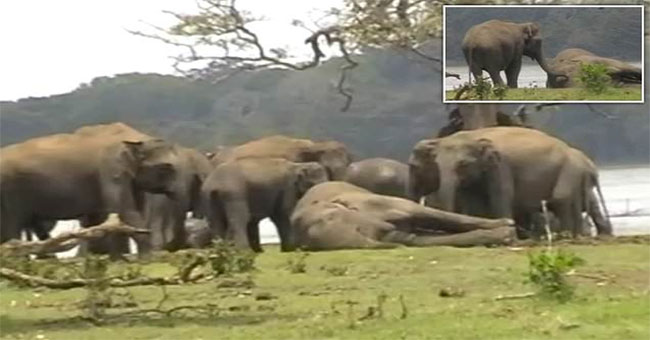
The video above shows a painful moment when a herd of elephants regroup to regret the dead herd, the Daily Mail reported.
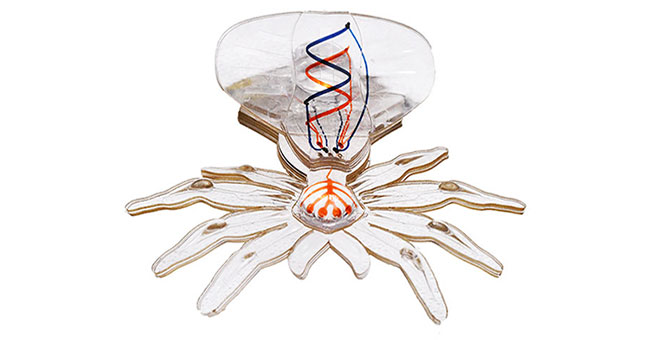
Researchers built small-sized robots from soft materials capable of working in humans.
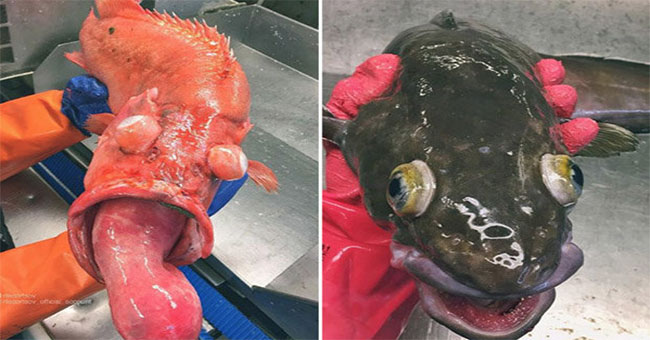
These mysterious sea creatures look like they come out of fictional movies, but they actually live in the deep ocean.
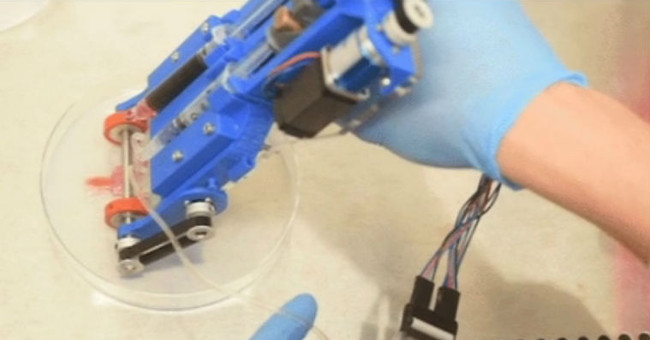
Having a design like a hand-held tape stick, this special '3D printer' can create a layer of tissue just like human skin.
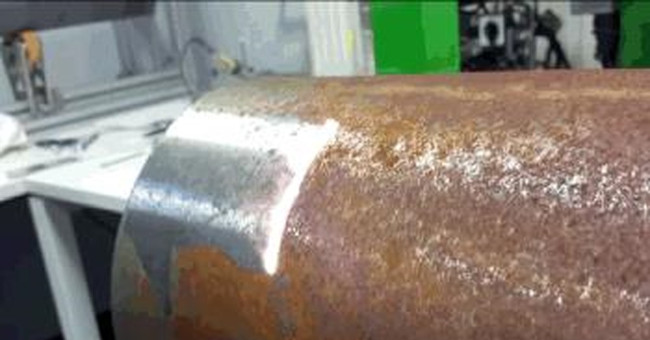
This product is essentially a laser projector with a capacity of about 50-1000 W.
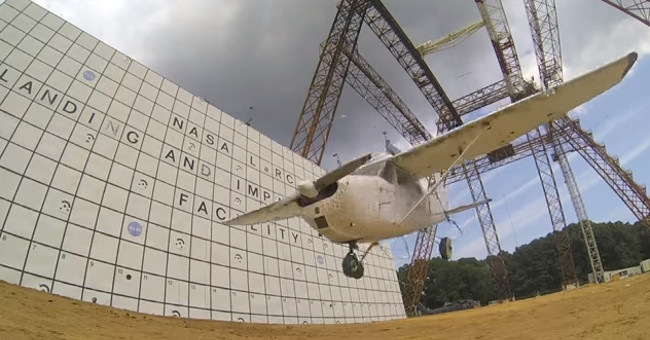
Human simulated effigies are inserted into the seat. They are then dropped or collided at high speeds to measure the impact on the human body.
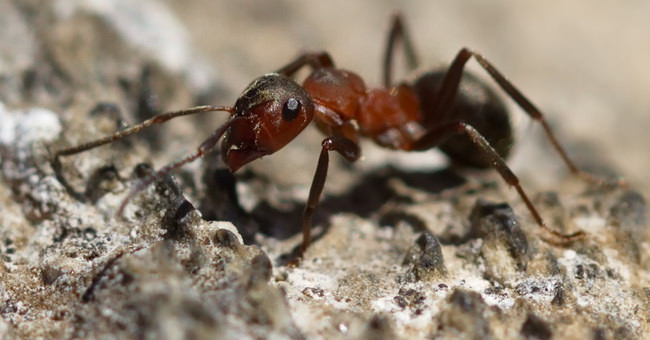
Formica sanguine ants attacked the nest of other ants, killed their queen ants and brought eggs to the rearing nest to be worker ants.