New technology
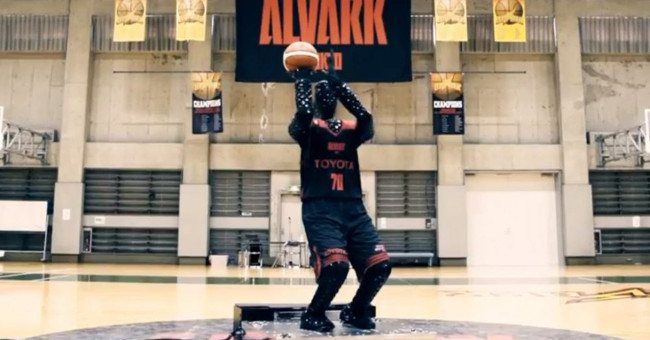
Toyota engineers create robots know how to throw the basketball hit
According to the Asahi Shimbun, artificial intelligence is used in # 70 CUE to bring this robot the ability to observe and calculate throwing balls.
Browse ScienceInfo articles and explainers related to Human.
6,757 published items.
According to the Asahi Shimbun, artificial intelligence is used in # 70 CUE to bring this robot the ability to observe and calculate throwing balls.
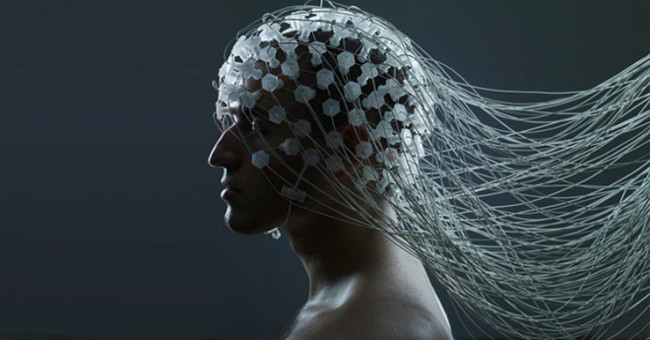
Imagine how Dr. Arnim Zola of Hydra existed in Captain America. It may also be what Nectome can do in the future.
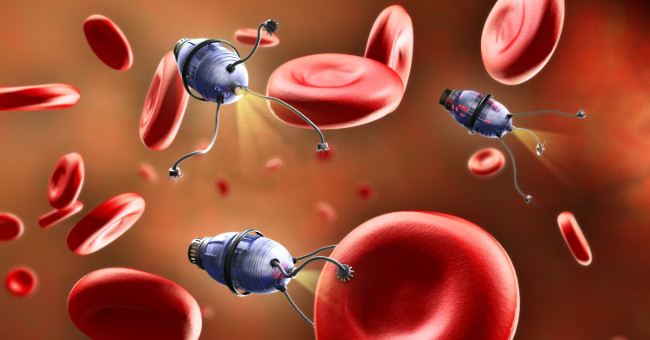
Human desire is always to live long, healthy life, nowadays modern medicine with the development of nano robot technology is gradually turning that into reality.
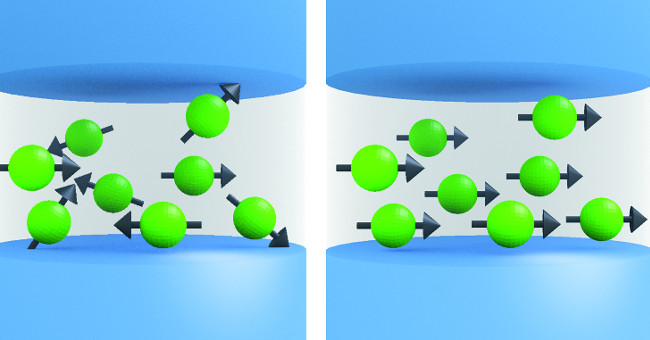
Research has shown that this switch of NIST is the missing part of a neural simulation computer.
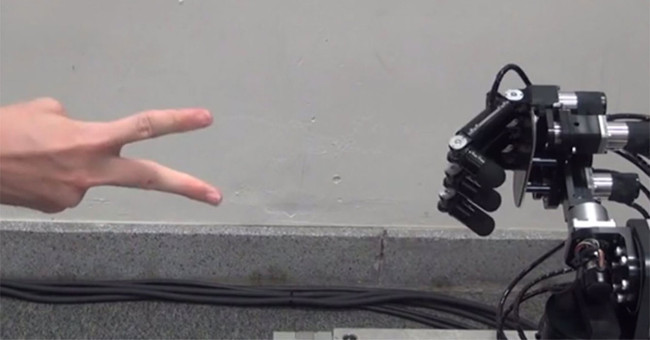
Scientists at the Ishikawa Watanabe Laboratory in Tokyo, Japan successfully developed a robotic arm
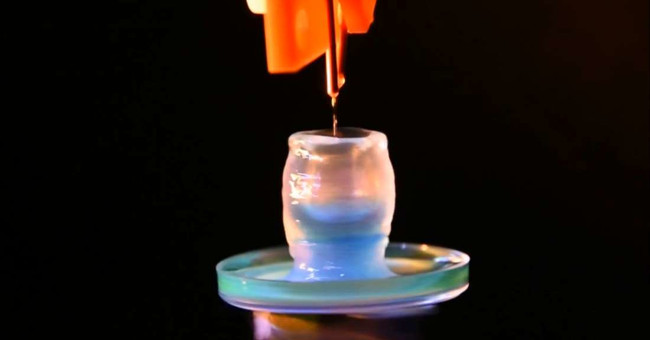
The supply of human organs needed for transplantation is always in serious shortage, causing many people to disregard all moral and legal standards in order to find ways…
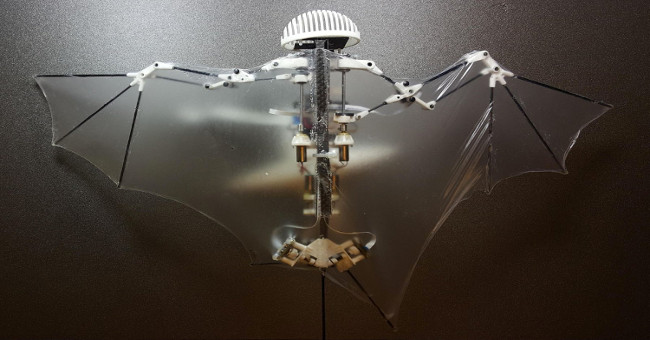
The US military has just launched a competitive product in the drone market.
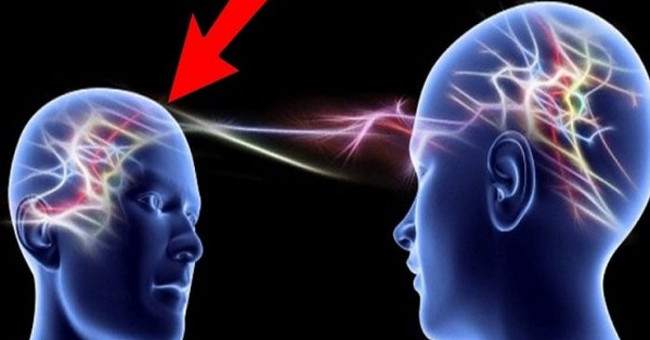
Professor of psychology Digby Tantum at the University of Sheffield said that although language plays an important role, it is not all in helping people communicate with…
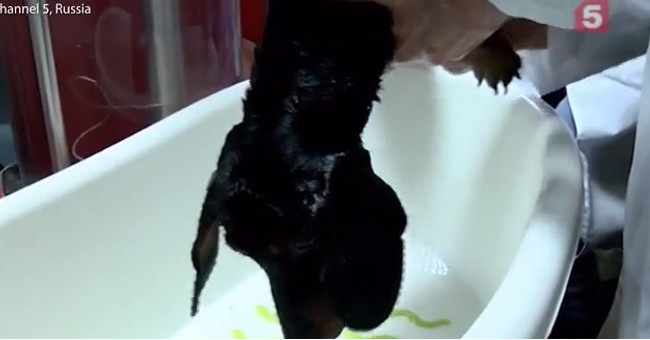
Humans and other airborne organisms often drown when there is too much water in the lungs, but Russian scientists have demonstrated that a dog can survive underwater.
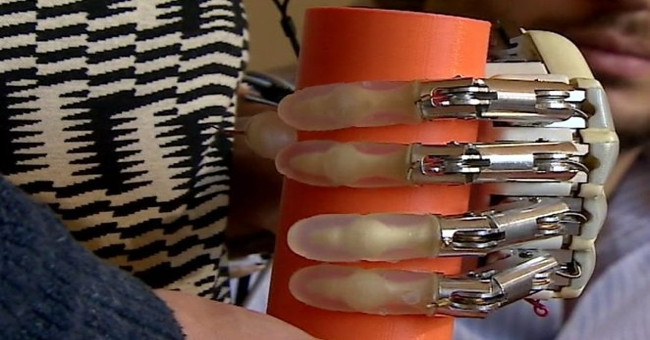
A woman who had an accident and lost her arm 20 years ago received an artificial arm, through tiny electrodes and sophisticated sensors.

This pioneer has different predictions about the future: from human-destroying robots, electric planes to permanent settlements on Mars.

Currently, Fingerprint sensor and Face ID type face recognition are two of the most prevalent biometric security methods.
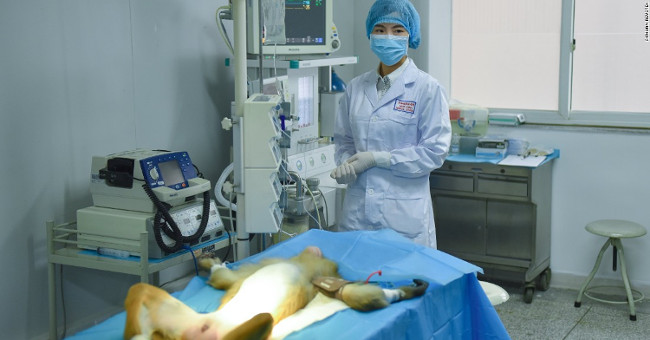
Research team of Hangzhou Regenovo Biotech Limited Liability Company takes the lead role.
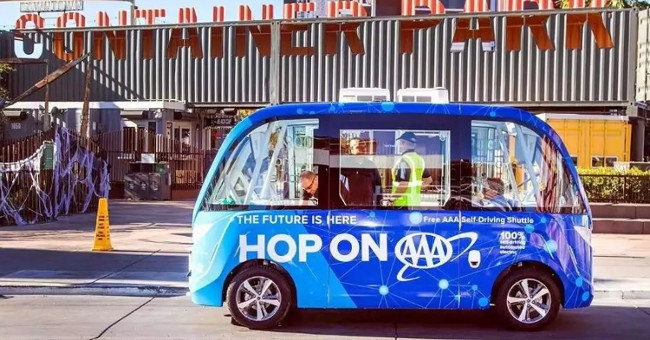
For self-driving cars to become a reality, they will face their biggest problem: human shortcomings.
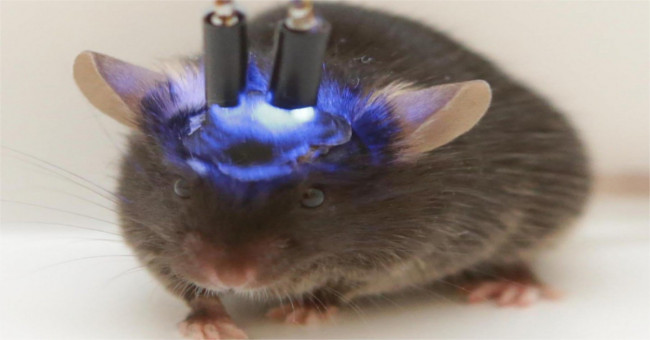
Scientists transplant human brain tissue into rodents and mice, raising a moral debate among researchers.