Discover science
New body part discovered
TipsMake - New structure found by scientists deep in the function set, and it plays an extremely important role.
Browse ScienceInfo articles and explainers related to Human.
6,757 published items.
TipsMake - New structure found by scientists deep in the function set, and it plays an extremely important role.
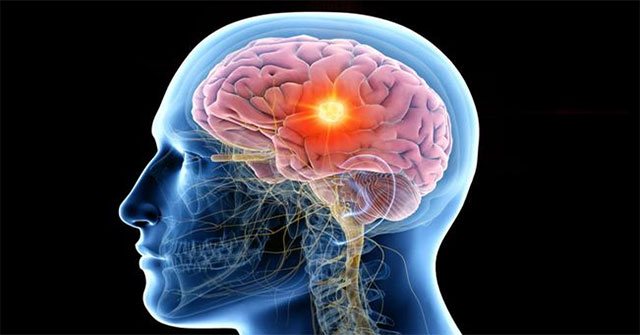
The human brain consumes more energy than other organs. This information may surprise many people but it is the truth.

After all, what happened to her? Does time exist or not?
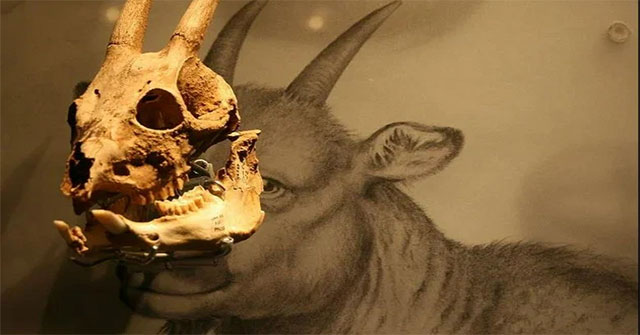
This is a very strange creature, with a sheep-like face, human-like eyes, rat-like teeth and lizard-like bone structure.

South Korean scientists have developed a robotic hand that is strong enough to crush a can, but dexterous enough to use a
The leap forward development of artificial intelligence (AI) makes the scientific community warn that the day when machines will overtake humans are not far away.
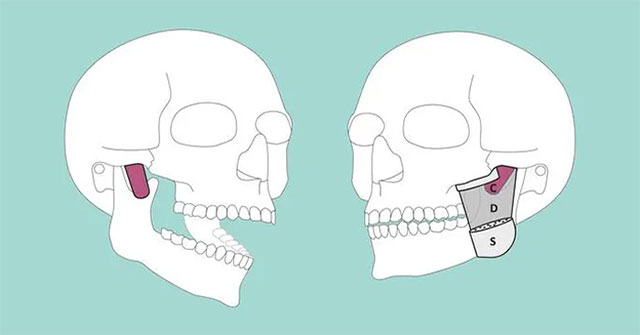
The human anatomy map once again needs adjustment, supplemented by the surprising discovery of a group of scientists from the University of Basel (Switzerland).
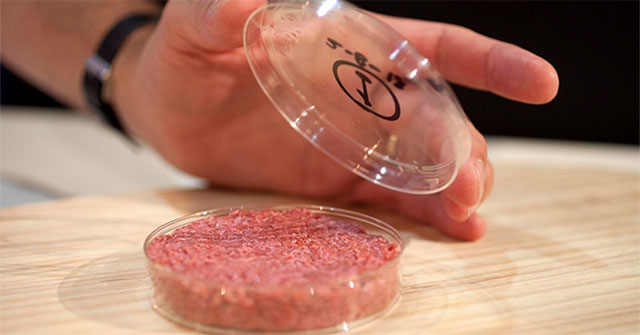
With the rapid development of technology, science has achieved many amazing achievements, turning what seemed only in fiction into reality.

The team says the robotic hand is capable of helping in many areas that require both strength and finesse.

People often liken 'as old as the Earth'. But where the name 'Earth' comes from, no one knows.
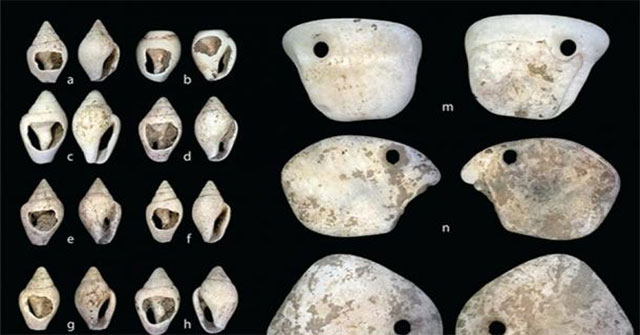
An elaborate tomb built 10,000 years ago, inside with the remains of a newborn baby girl and a strange number of treasures is considered a major breakthrough for archeol…
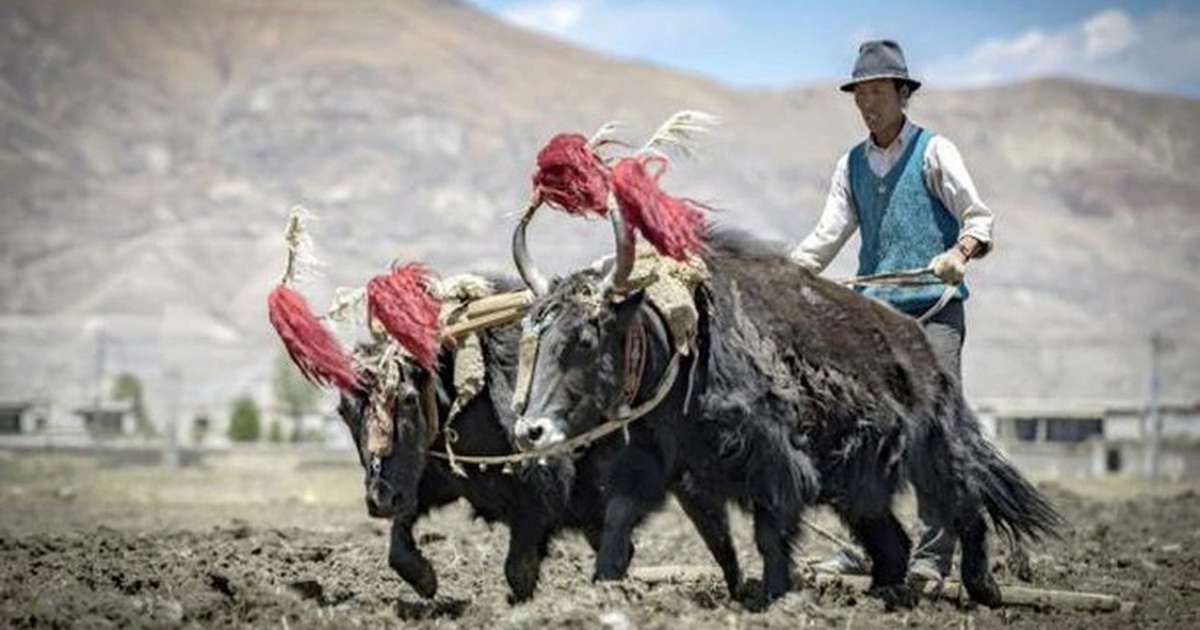
Shocking research from the US shows that our Homo sapiens ancestors in Tibet had two periods of interbreeding with extinct humans called Denisovans, resulting in the pre…
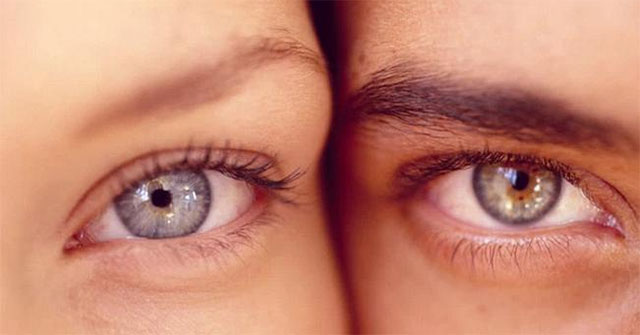
The part that contains the color of your eyes is called the iris, here's what you should know around your eye color.
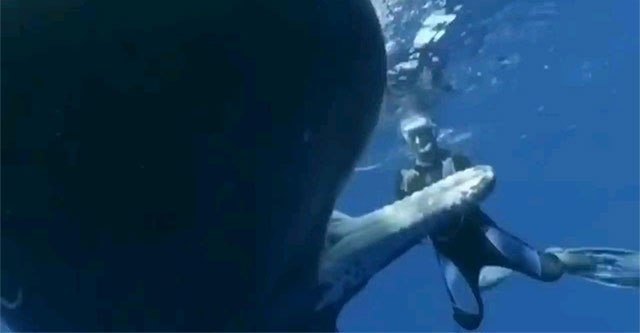
All animals in the world, big or small, deserve equal treatment. Starting from the smallest actions, we humans can make big changes, helping to preserve the species on E…

to determine how plant life forms evolved compared to humans and whether they could sing and communicate.