Health
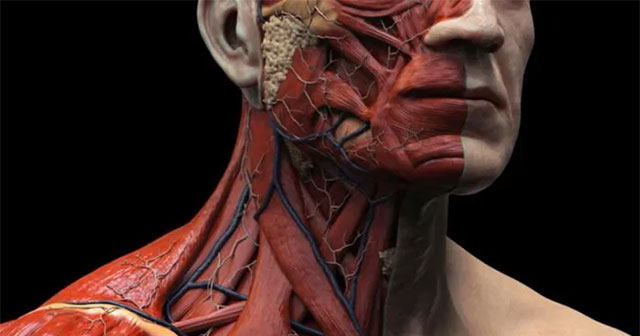
Discovered more new body parts in the human body
A new organ has just been discovered in the human body and it is very 'anatomically different'.
Browse ScienceInfo articles and explainers related to Human.
6,757 published items.
A new organ has just been discovered in the human body and it is very 'anatomically different'.

Beer and cheese is a combination that is not too strange, but on the contrary, it is also very popular in many countries around the world. Interestingly, humans have bee…
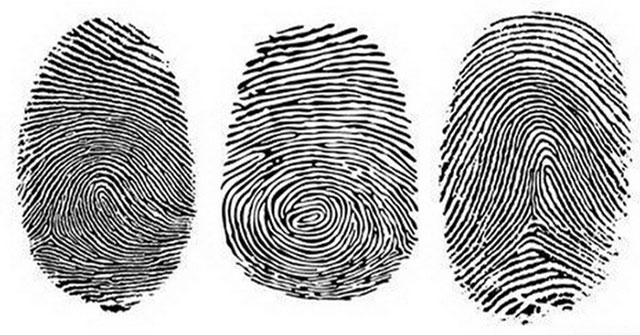
An international team of scientists has discovered that the mechanism of human fingerprint formation does not lie deep in the skin but correlates with the development of…
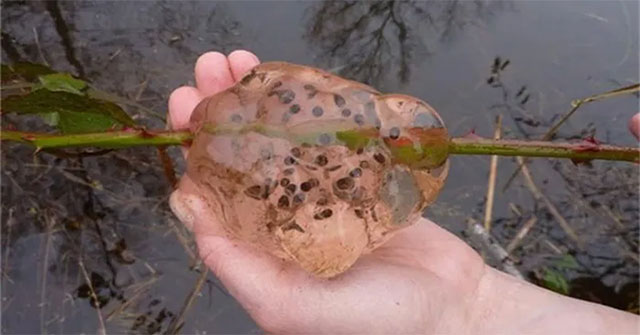
People in this town were extremely frightened, when what fell from the sky was not rain but only mucus full of disease.
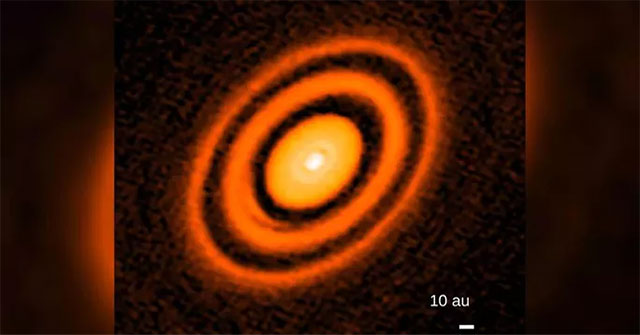
Dense rings of dust around a Sun that look nothing like the Sun today have prevented our planet from evolving into a super-Earth.

Doctors at a hospital in Maryland, USA, successfully performed the first human pig heart transplant.

An ancient 'timebox' buried from one of the deadliest volcanic disasters in human history has been unearthed on the coast of Turkey, providing 'intriguing' new evidence…
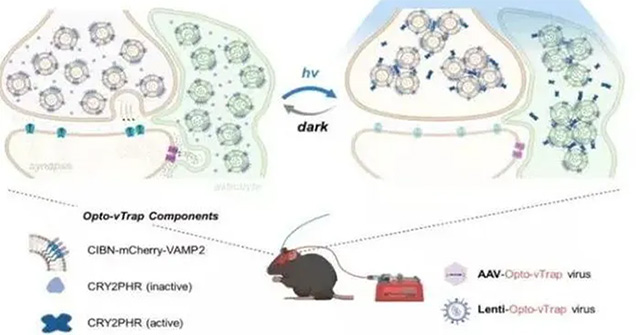
A team of Korean researchers has tested the ability to control regions of the brain with beams of light, this technology promises to be able to treat epilepsy, muscle sp…

Sea snails, river snails, farmed snails... are all human favourites. However, the fragrant ginger, lemongrass, and lime leaves make us not care much about whether snails…

Also known as the sun spider or wind scorpion, the camel spider is a desert spider known for its enormous size and painful bite.

Severe weather for days in Alaska (USA) followed by record low temperatures and downpours has prompted authorities to warn of 'Icemageddon'.

Because of the remote geographical conditions, this tribe is separate from the human world, so they cannot communicate, read and write, but can only signal to understand…

According to the latest research, Neanderthal development was faster than that of modern humans.

Desert dust - fine and capable of reaching high into the sky like ghosts - has the ability to destroy many pollutants, but also silently causes terrifying effects.
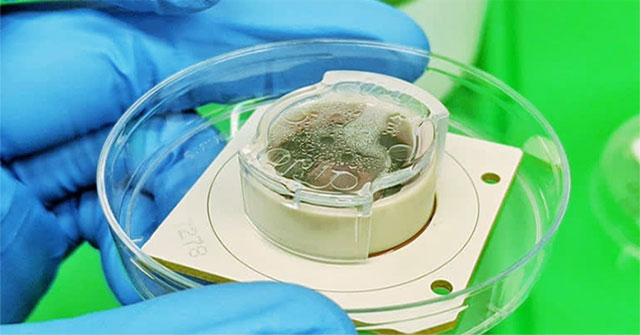
Experts from Cortical Labs, Australia have successfully studied how to integrate biological neurons with traditional information processing chips.