AI - Artificial intelligence
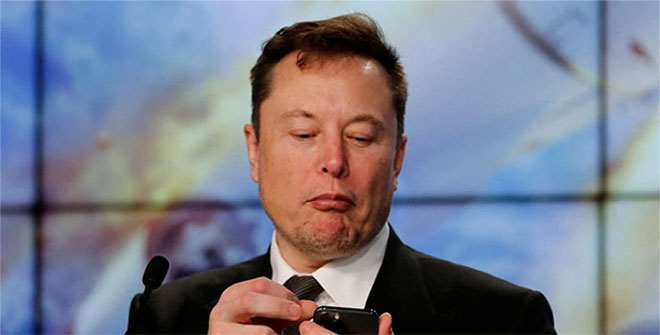
Elon Musk said: 'AI has a 20% chance of destroying humanity'
Billionaire Elon Musk believes that artificial intelligence (AI) has a 20% chance of destroying humanity, while experts put this number at 100%.
Browse ScienceInfo articles and explainers related to Humanity.
460 published items.
Billionaire Elon Musk believes that artificial intelligence (AI) has a 20% chance of destroying humanity, while experts put this number at 100%.
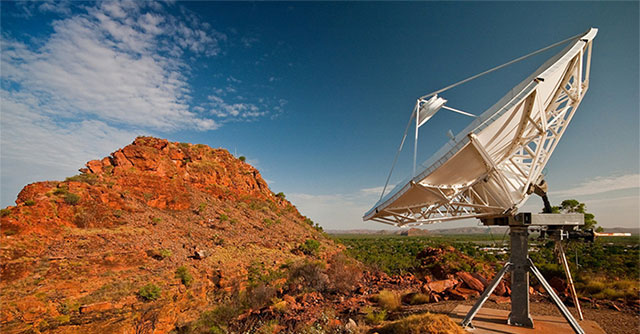
This telescope can help humanity promote the search for extraterrestrial life.
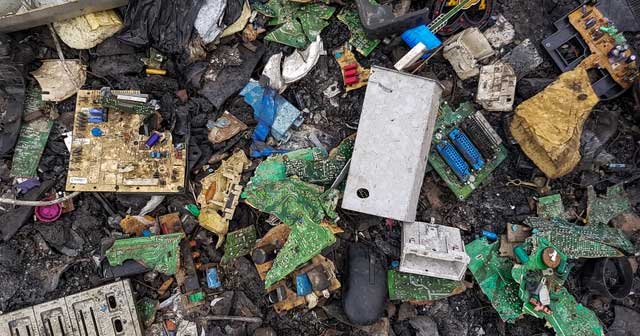
The total value of recyclable electronic waste is up to 62 billion USD, which is falling into oblivion, while also bringing the risk of pollution and exacerbating health…
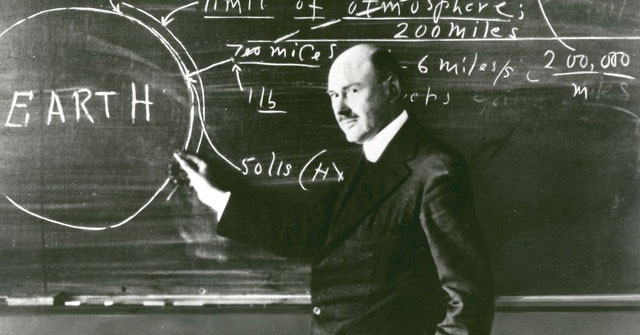
Robert Hutchings Goddard was an American engineer, professor, physicist, and inventor, considered the creator and builder of the world's first liquid-fueled rocket engin…
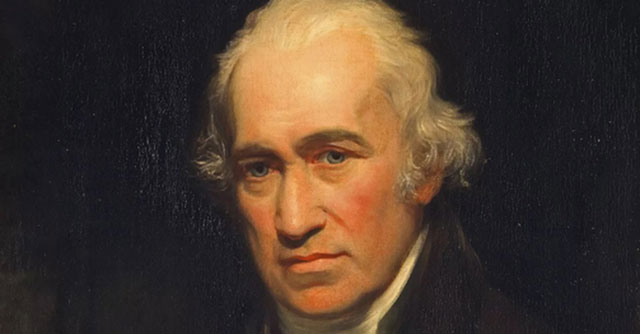
He was a Scottish inventor and engineer. With his important improvements to the steam engine, he became a key figure in the Industrial Revolution.
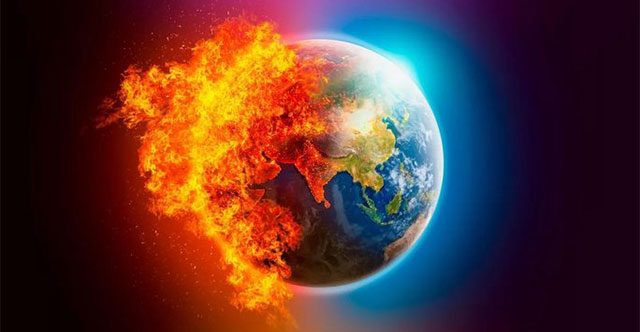
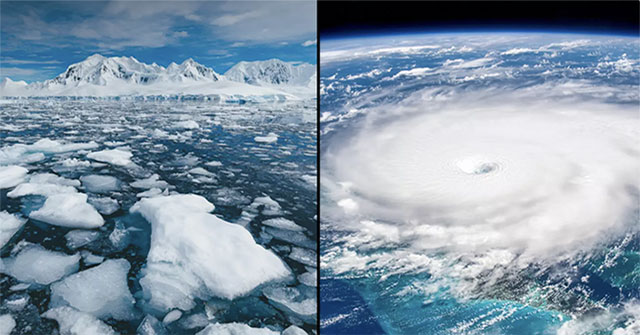
Unexpected events occurring in 2022 are a warning of an apocalypse that humans will face, of our own creation.
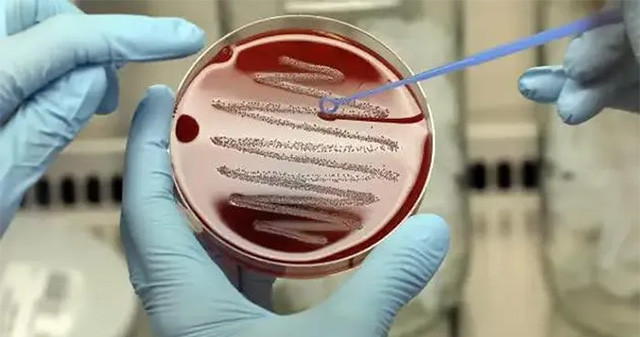
According to CNN, one of the top public health threats humanity is facing today is that the warmer the world becomes, the more epidemics there will be.
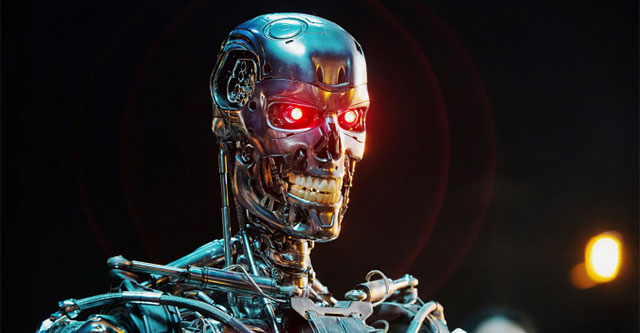
The new report, commissioned by a US government partner, warns that AI can cause...

Ban's temporary homes are called Kobe Paper Tube Houses and provide safe, warm shelter for thousands of displaced refugees.
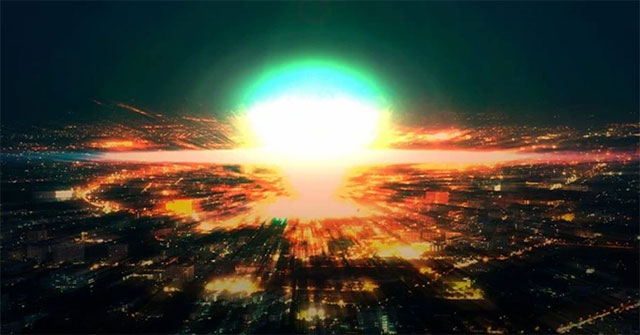
How will nuclear conflict affect humanity and the planet? If you survived a nuclear explosion, what would happen to you next?
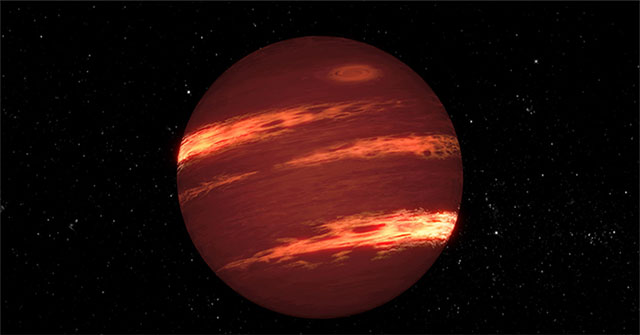
For the first time, humanity has learned more clearly about what constitutes the mysterious object between the two states of a failed star and a superplanet, thanks to t…

Inventions brought breakthroughs, as well as increases in labor productivity, during the First Industrial Revolution.

The Carrington Event of 1859 gave us a foretaste of just how dire the Sun was to humanity. But it could turn out to be worse than we imagined.
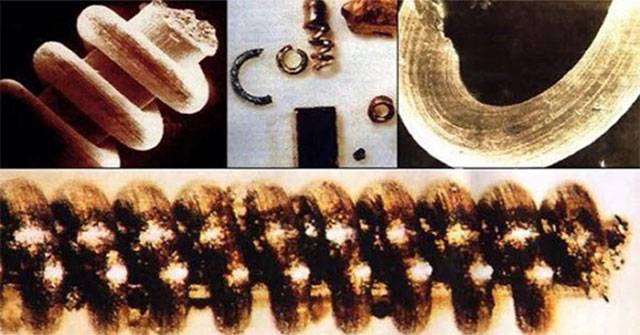
Something as sophisticated and complex as nanotechnology could not have been developed without the structure of atoms and the microscope as a premise.