Space science
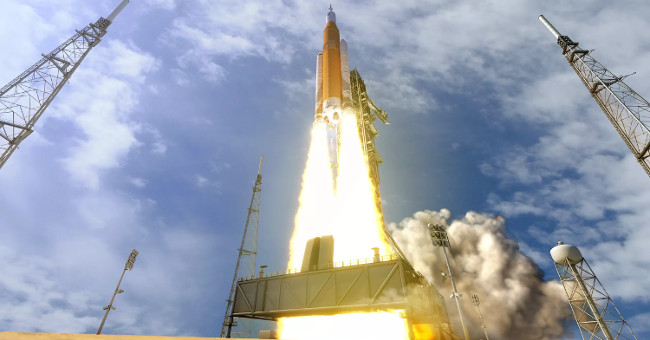
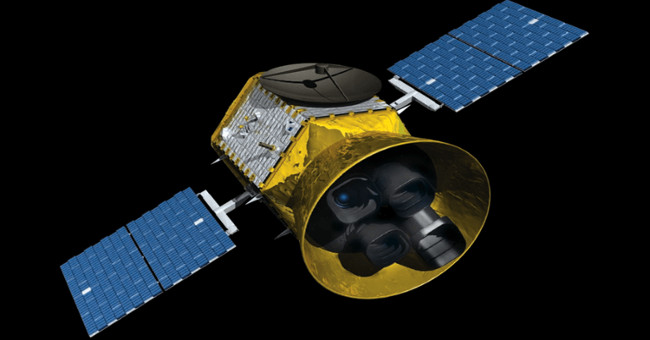
NASA launches the satellite to search for the planet TESS
The launch was done with SpaceX Falcon 9 boosters from Cape Canaveral, Florida at 18:51 local time (5:51 on April 19, Hanoi time).
Browse ScienceInfo articles and explainers related to Hunt.
913 published items.
The launch was done with SpaceX Falcon 9 boosters from Cape Canaveral, Florida at 18:51 local time (5:51 on April 19, Hanoi time).

In 2018, we will discover the first alien planet through atmospheric indicators in space by launching a transatlantic satellite telescope (Tess).
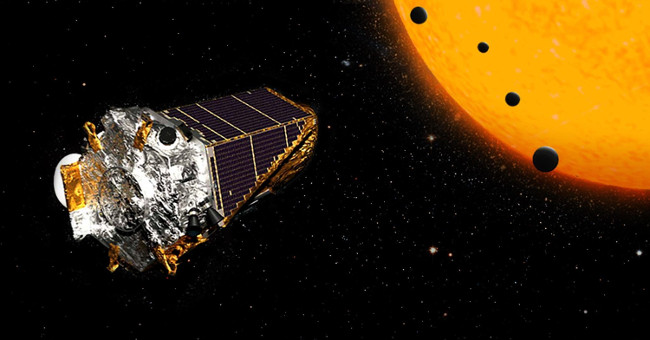
NASA will share the latest discovery from the Kepler space telescope that specializes in hunting extrasolar planets that can contain life.
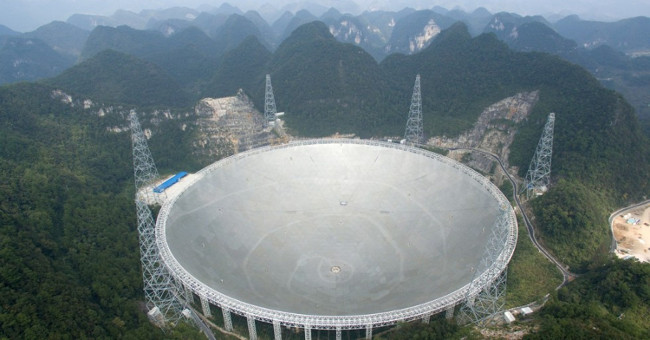
The world's largest radio telescope in China has found two pulse stars after a year of trial operation, Xinhua News reported on October 10.
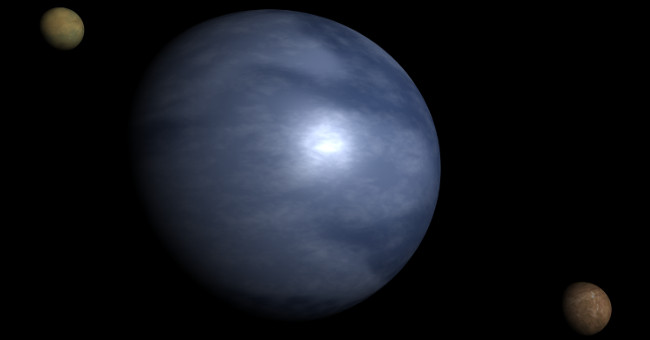
NASA's Kepler planet-hunting telescope has discovered more than 2,300 extrasolar planets in the universe ever.
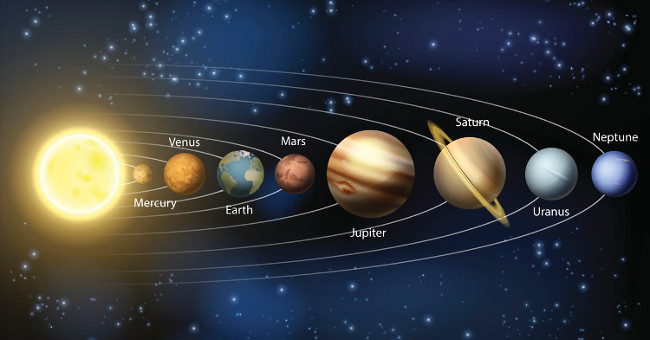
After the search process, the online community has strongly contributed to the program to find an undiscovered planet in our Solar System and nominated 4 candidates.
At the end of a very successful press conference at 14:00 on February 22, 2017 (ie 2 am on February 23, 2017 in Vietnam time), NASA was happy to announce the discovery o…
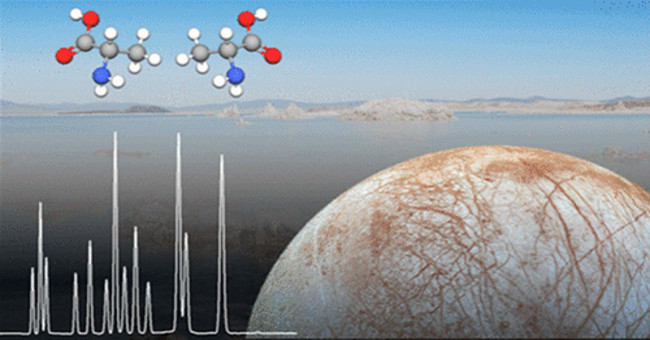
US scientists develop methods to identify amino acids to detect life outside of Earth.
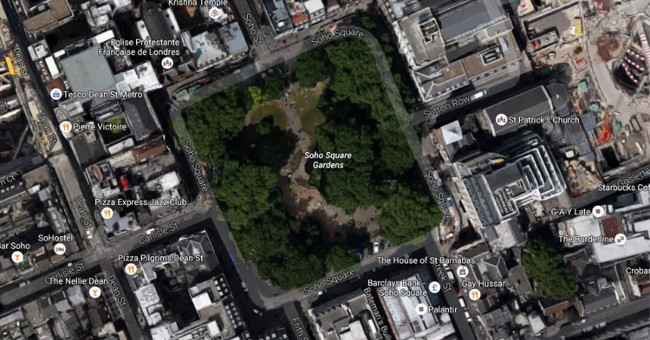
The Pentagon official is funding a secret operation to hunt aliens and unidentified flying objects (UFOs) in the UK.
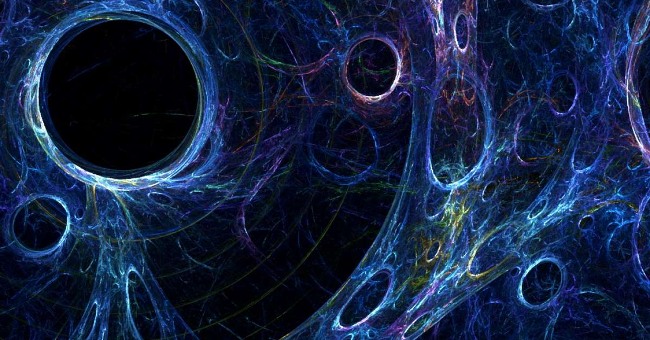
Hunting in the darkness of the universe, hunters don't know what their prey looks like or when it will appear.
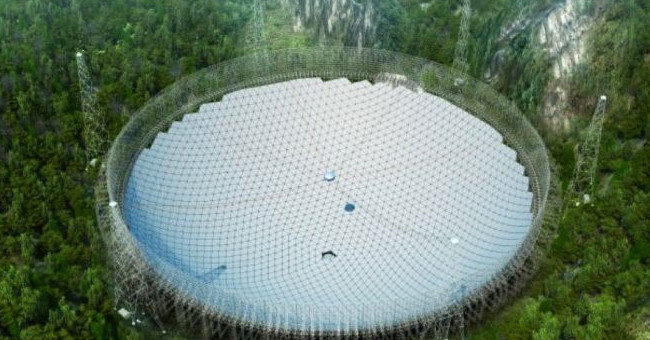
The building, which is as big as 30 football fields, will allow scientists to collect signals tens of billions of light years from Earth when inaugurated in 2016.

SEPIA, the integrated device on the APEX telescope, not only identifies water and other molecules in the galaxy, but can also hunt water from the early universe.
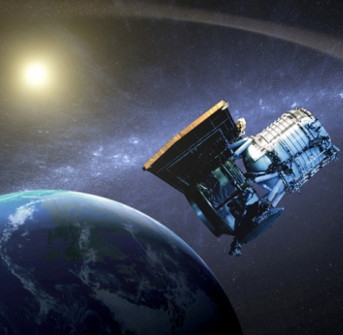
Scientists from the US Aeronautics Agency (NASA) have made new strides on the meteorite hunt when completing the first spacecraft designed to bring meteorite specimens b…
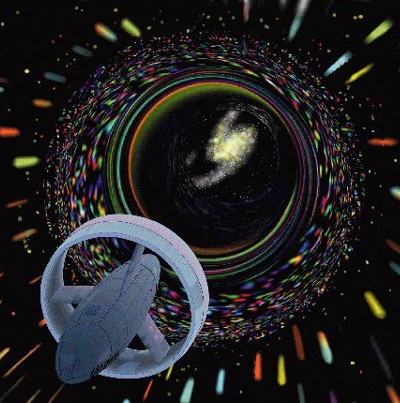
Scientists are looking for deep holes - how to move faster than the speed of light, can even travel over time, if it really exists.
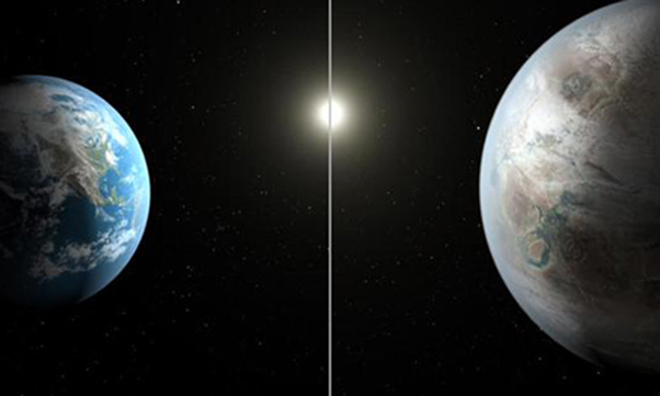
The $ 600 million Kepler spacecraft launched in space in March 2009, designed for the hunt for Earth-like planets outside the solar system.