Photo library
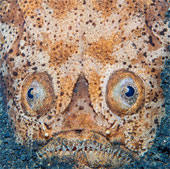
The most beautiful photo of 'Astrological Fish' of the year
The crocodile hunting newspaper, the stretched lion, the inverse monkey monkey or the astrological fish hidden in the sea are unique photos of the BBC reporter attending…
Browse ScienceInfo articles and explainers related to IPhone.
181 published items.
The crocodile hunting newspaper, the stretched lion, the inverse monkey monkey or the astrological fish hidden in the sea are unique photos of the BBC reporter attending…
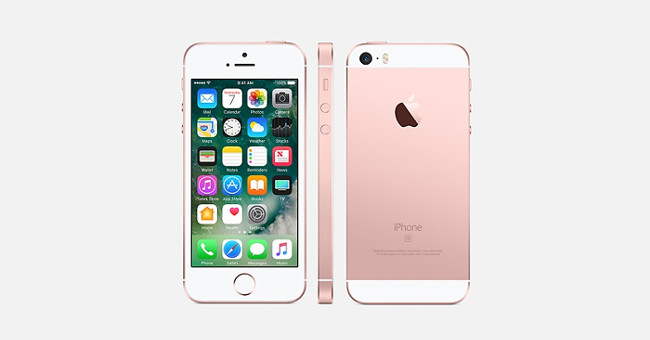
In order to produce an iPhone, the workers in the factory must perform a multitude of steps such as assembly, product testing or packaging.
Warning: every happening happens like in a horror movie!
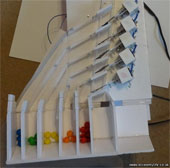
Combining iPhones and robots by assembling themselves with Arduino circuits, British tech bloggers have created the fastest-growing M&M candy sorter ever.

GoPro cameras deserve to stand next to the iPhone 6 and Nexus 9 on the list of the most remarkable technology products of the year.
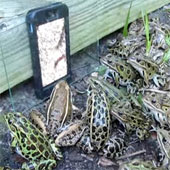
The video FrogTV that Joe Myers just posted on YouTube is a proof that humans are not the only creature who has a habit of staring at the phone screen.

Suidobashi Heavy Industry electronics company in Tokyo, Japan has launched a super robot weighing 4 tons, which can be controlled by iPhone.

Mystery about Jupiter, iPhone photo editing software, drinking beer with a small glass, the world's most fun craft .... are the most interesting news readers in the past…

The new headquarters of the spacecraft and nearby buildings on Apple's campus are entering the final stages of perfection.
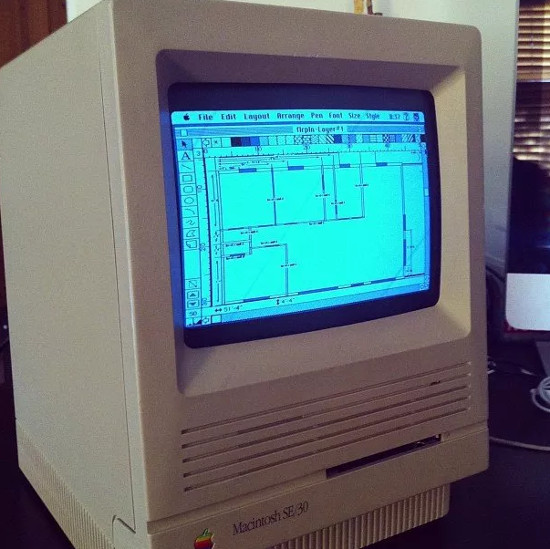
Interesting secret stories behind projects that only internal Apple employees are transmitted to each other.

While classmates paint with crayons, Lim Ding Wen, 9 years old, can paint on an iPhone with software he writes himself.
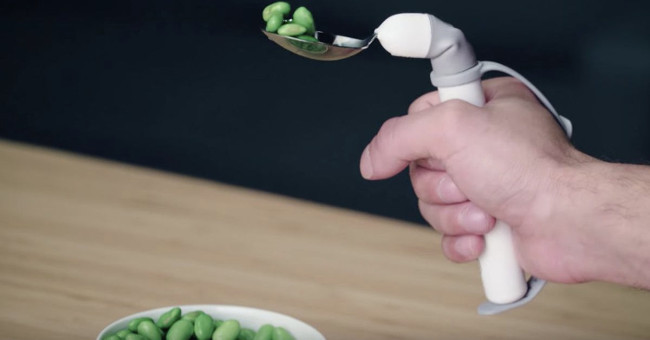
Aircraft for humanitarian aid, chatbot lawyers, toys for children with autism ... are breakthrough technological innovations that help the world become better.
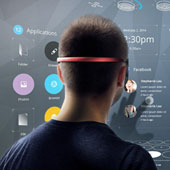
Virtual reality glasses are not too strange a concept, but not everyone has the economic ability to own such a device.
Time magazine (USA) has just released the list of 2007's best inventions. It is not surprising that the music player - iPhone integrated mobile phone is the champion.
Last Friday, 19-year-old George Hotz, a famous 19-year-old hacker who broke the iPhone 3G code, announced on his blog,