Medicine - Health
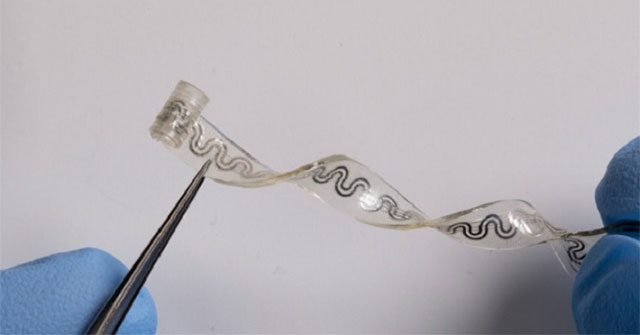
Implantable device for pain-free pain relief
New biocompatible and water-soluble implant could replace opioid pain relievers and many other classes of addictive drugs.
Browse ScienceInfo articles and explainers related to Implant.
416 published items.
New biocompatible and water-soluble implant could replace opioid pain relievers and many other classes of addictive drugs.
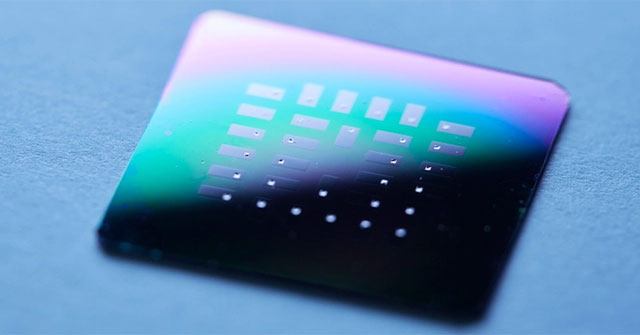
The device can generate electricity, with the byproduct being water that is harmless to the human body.
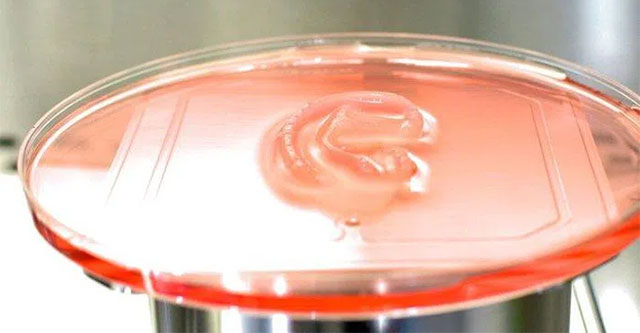
American doctors have performed a transplant that seemed like a sci-fi movie: a replacement ear was created by growing in the laboratory from an ear cartilage cell and a…
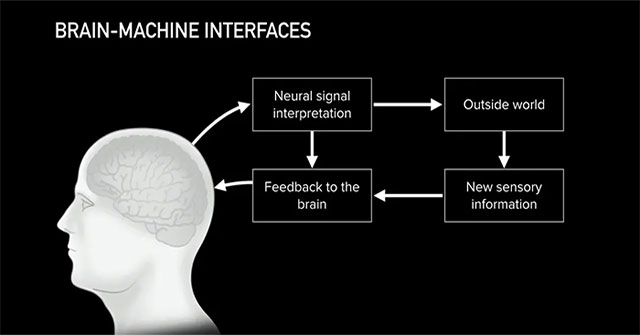
The human brain is arguably the most complex biological structure that has ever existed. Researchers in the field of neuroscience are expanding and making great progress.
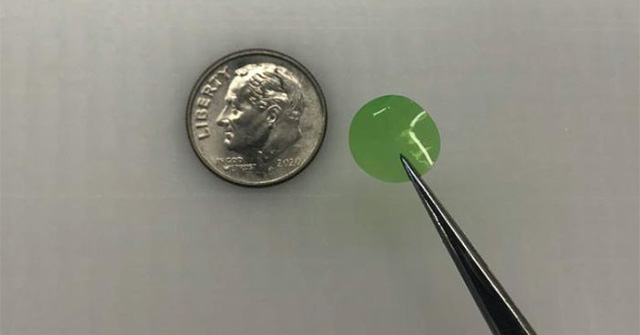
Newly developed luminescent sensor technology implanted under the skin does this, and promises to be used to easily measure other levels of substances in the blood.
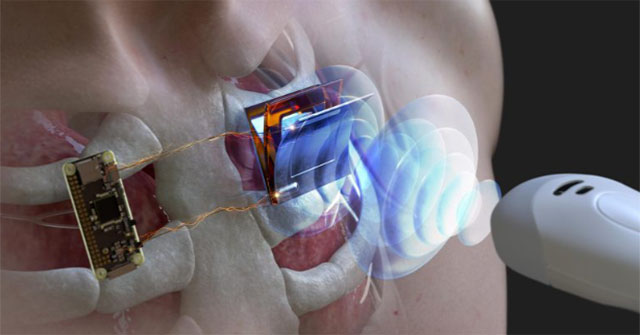
Pacemakers are currently considered an effective device in supporting patients with arrhythmias when helping patients maintain a stable heart rhythm.

Thanks to an electrode device implanted in the spinal cord, Roccati is now able to do simple things again: stand at a bar with
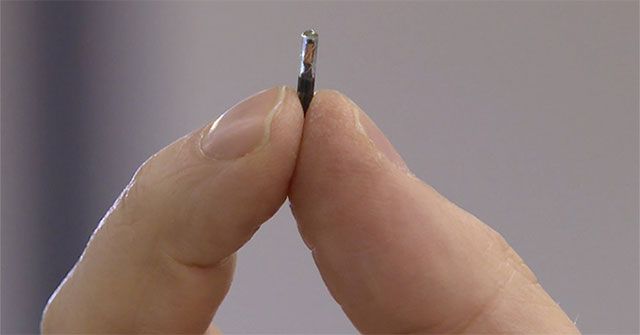
The Swedish company DSruptive Subdermals, which specializes in implantable microelectronics, has developed a Covid-19 vaccination certificate in the form of an electroni…

Elon Musk, co-founder of brain-computer interface company Neuralink, said the process of implanting computer chips into paralyzed patients will take place in 2022.
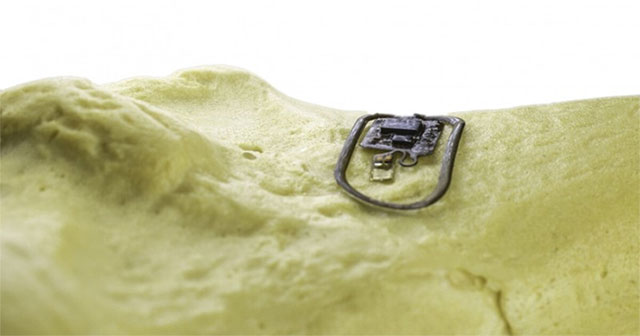
Researchers at the University of Arizona (USA) have developed a micro-wireless device permanently linked to the bone capable of transmitting data out.
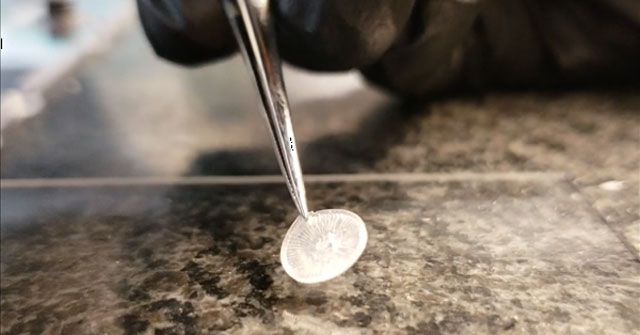
Perforation of the eardrum leads to pain and hearing loss. This is also a difficult condition to treat.

In a new study published in the journal Nature, the researchers said they could grow multi-layered skin tissue capable of growing hair, hair, sebum secretion and touch.
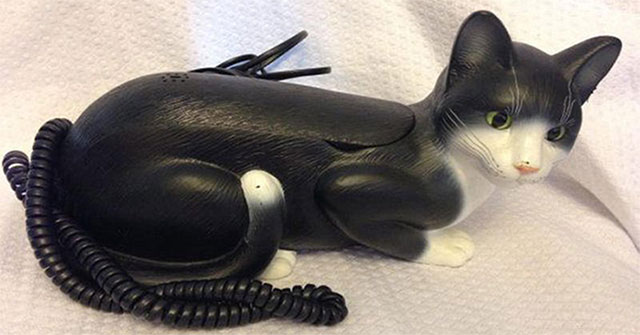
In 1929, two researchers at Princeton University, USA conducted experiments transforming cats into startling phones.

Scientists have found a way to deliver images directly from the camera to the brains of the blind.
Researchers in Texas have taken a big step in restoring vision for blind people by transferring information directly to the brain via electrodes.