Medicine - Health
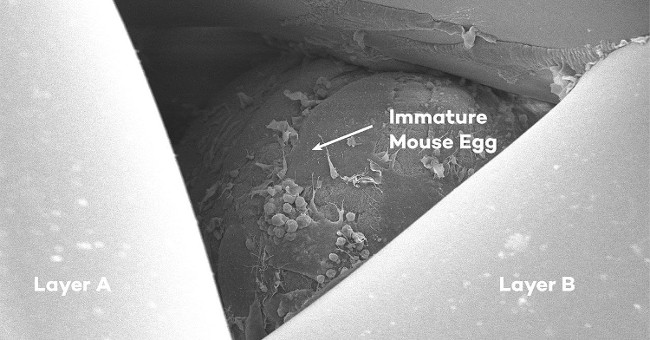
3D print ovaries provide hope for infertile women
Scientists have printed the ovaries and used them to create healthy offspring. This is said to be the
Browse ScienceInfo articles and explainers related to Infertility.
136 published items.
Scientists have printed the ovaries and used them to create healthy offspring. This is said to be the

Chinese researchers found that sleeping after 0h caused sperm to weaken, possibly even leading to infertility in men.

No need to fertilize in vitro, 30% of infertility cases will be treated according to this technique with a high success rate, low cost.
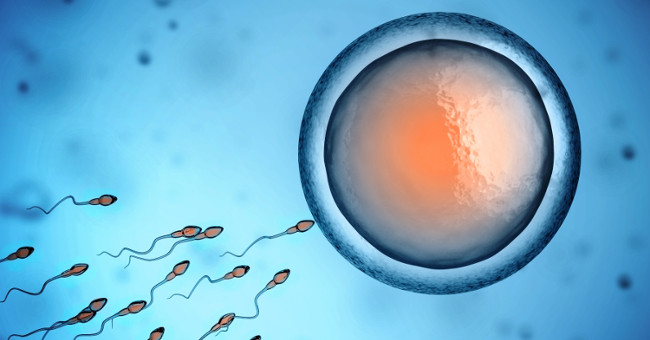
To cure infertility, people have to spend hundreds of millions of dong. But it looks like this story is about to end.
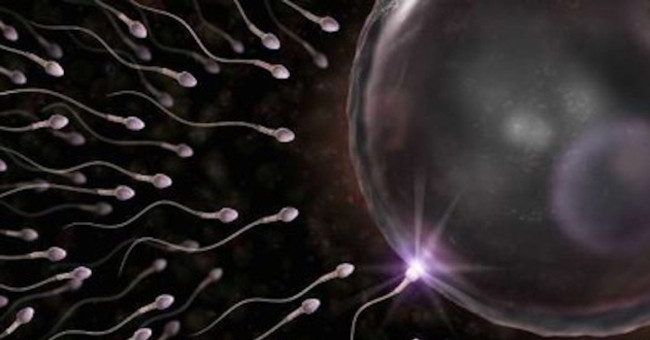
Among the causes of male infertility is mainly due to sperm deficiency. This is a disease caused by many causes.

In 1996-2001, the infertility treatment trial conducted in the United States produced 18 babies with 3-person genes: father and mother and egg donor.
Zika virus is still known to cause microcephaly in babies. And scientists have just had a new finding showing the dangerous impact of this virus on men.
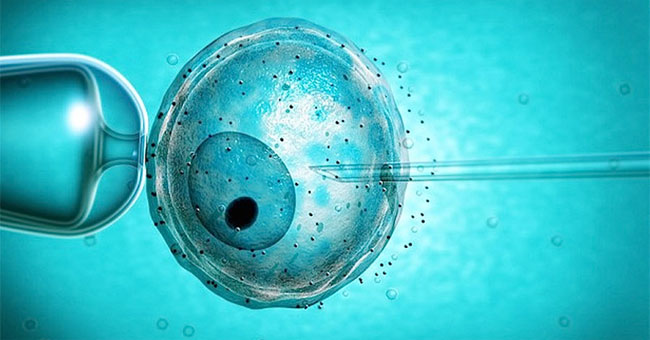
A new study has shown that boys born by in vitro fertilization have low sperm count and may not be able to have children later in the natural method.

By pushing the toxins absorbed from washing clothes into the water supply, the washing machine can eliminate human fertility.

Discovering this virus will most likely open up hope for treating many infertile women.
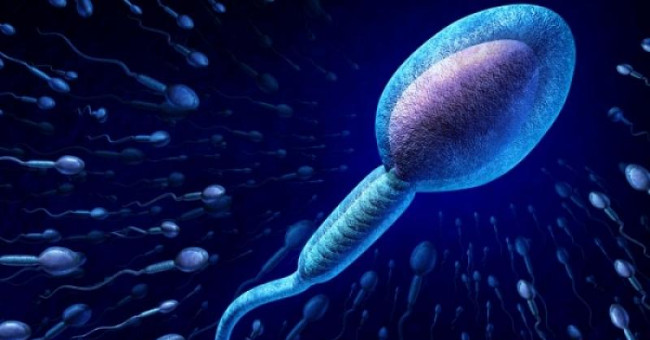
Researchers have developed a new device that can select the best sperm in millions of sperms in just 30 minutes for use in assisted reproductive technologies such as in…

Biagio Russo is the first baby born in the UK to use breakthrough new embryo screening techniques, which can greatly improve the birth rate of couples using in vitro fer…

After 2 years of infertility treatment in vitro fertilization (IVF), 70-year-old Dajinder Kaur gave birth to her first son last month.
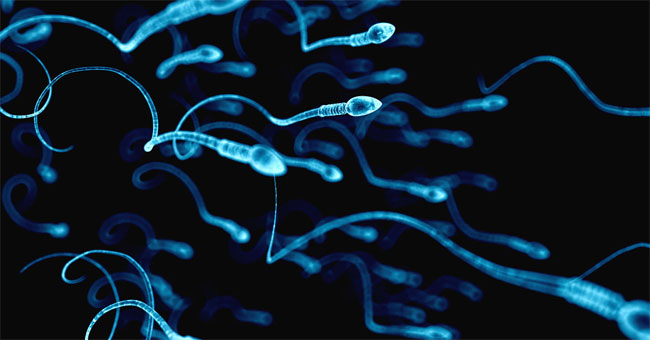
According to Polish researchers, the fragmentation of DNA in sperm leads to a low rate of natural conception.
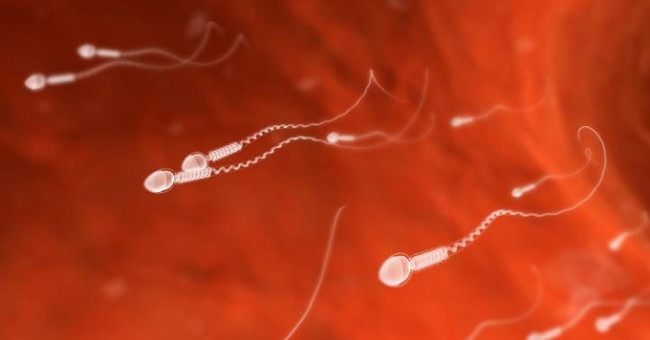
Spanish scientists on April 27 said they have created sperm from human skin cells, a medical feat that could eventually open the way to treating infertility.