Space science
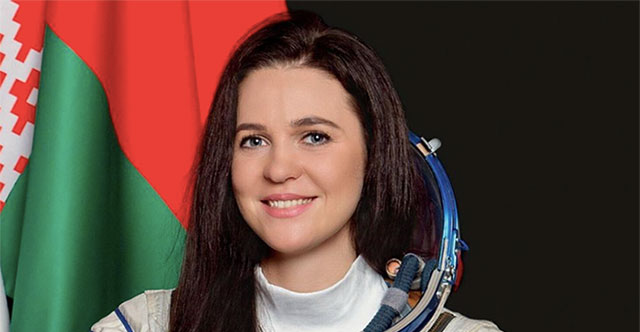
The Russian Soyuz spacecraft landed on Earth, the 33-year-old female astronaut made history
The Soyuz MS-24 spacecraft carried Russian cosmonaut Oleg Novitsky, NASA astronaut Loral O'Hara and Belarusian cosmonaut Marina Vasilevskaya.
Browse ScienceInfo articles and explainers related to Iss.
878 published items.
The Soyuz MS-24 spacecraft carried Russian cosmonaut Oleg Novitsky, NASA astronaut Loral O'Hara and Belarusian cosmonaut Marina Vasilevskaya.
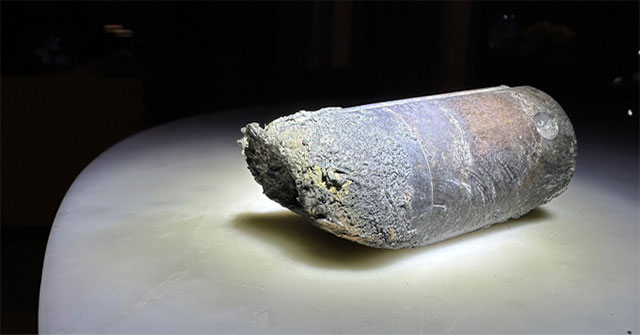
NASA announced on April 2 that they were analyzing an object that fell from the sky and hit a house in Florida, most likely trash from the ISS station.
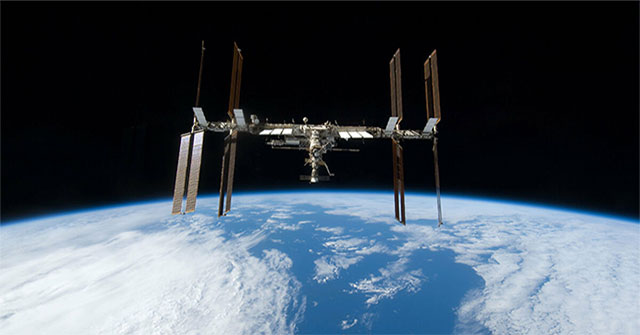
The life of astronauts on the ISS is also very different from life on Earth because of the lack of gravity and natural resources.

When looking at images of astronauts floating in the International Space Station (ISS), you can see that their appearance is a bit unusual.
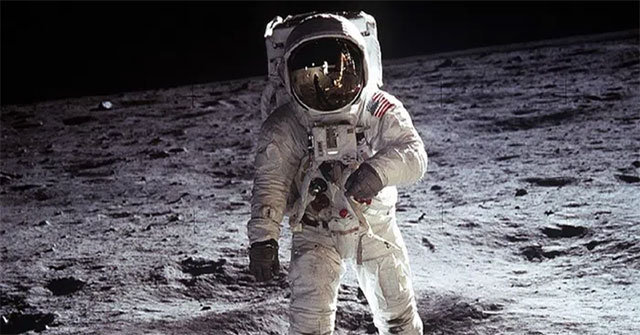
The US space agency (NASA) said it has selected two companies to carry out the project to develop a new generation of spacesuits, serving missions on the International S…

To operate NASA's lunar base, Sandia National Laboratory is developing a microgrid to distribute electricity from the nuclear reactor.
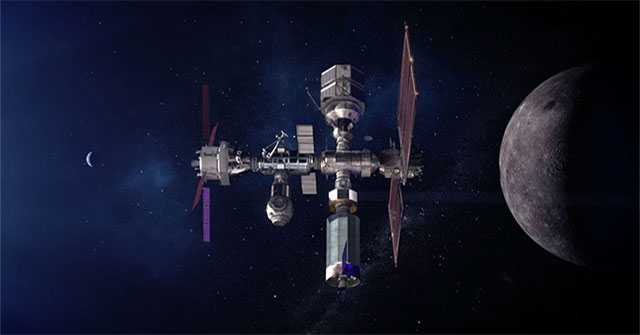
Lunar Gateway is a project that requires the most advanced and sophisticated technology today.
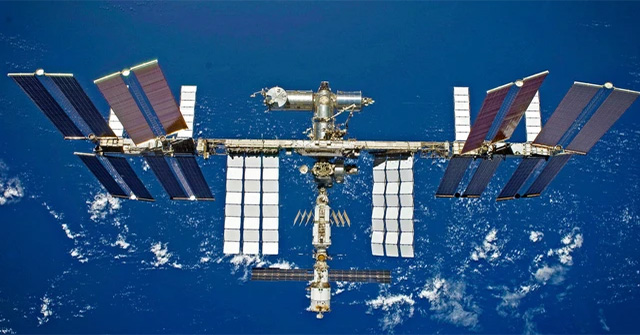
The article will share some ways to help you easily track the current position of the ISS station in the sky.
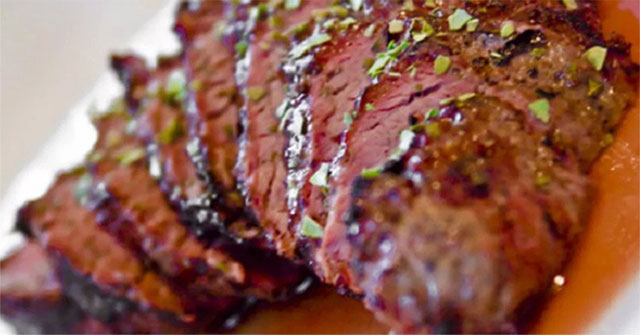
SpaceX's Axiom Mission 1 mission on April 6 will bring a special device to the International Space Station (ISS) to research making meat in a zero-gravity environment.
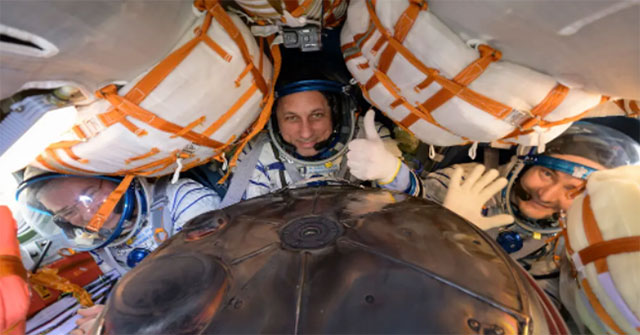
In the weeks since the war in Ukraine, the International Space Station (ISS) has been seen as a symbol of cooperation for the sake of science and non-politics.
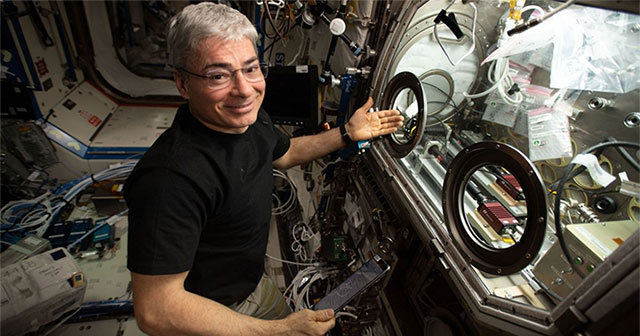
Astronaut Mark Vande Hei will spend 355 days on the ISS before returning to Earth on March 30.
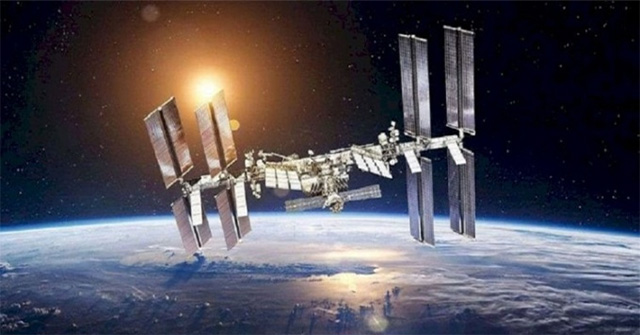
NASA will drop the International Space Station into an uninhabited sea called Point Nemo in 2031.
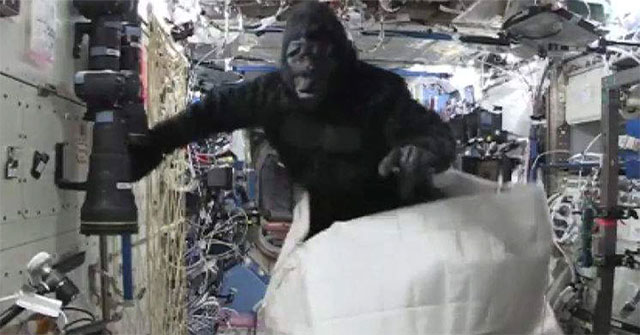
NASA astronaut Scott Kelly once brought a costume as a gorilla to the International Space Station ISS.
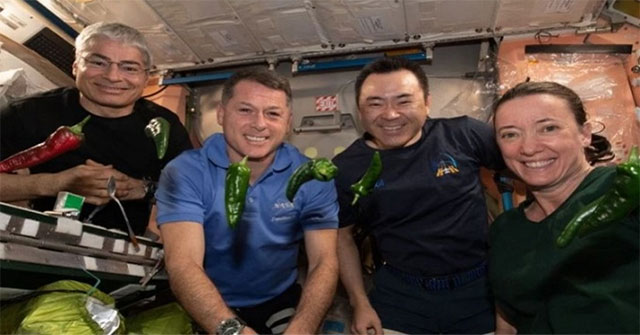
NASA's space experiment to grow and harvest chili peppers sets the record for providing food for the most astronauts and longest experiment on the ISS.
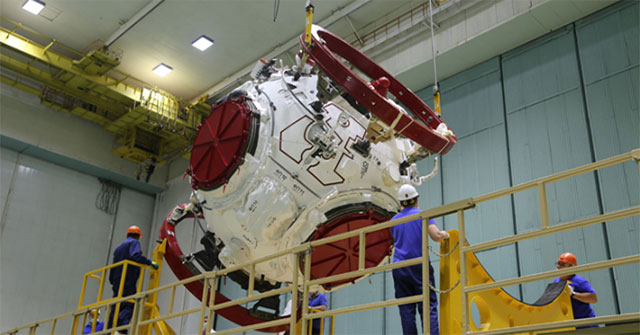
Russia's Soyuz rocket on November 24 took off from southern Kazakhstan, carrying the Prichal spacecraft docking module to the ISS.