Archeology
Discovered prehistoric beetles with scary jaws
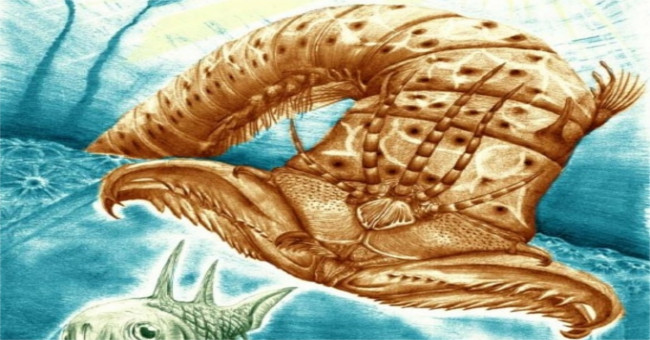
Scientists have discovered fossils of giant beetles that were the terror of the waters in the period 400 million years ago.
Browse ScienceInfo articles and explainers related to Jaws.
61 published items.
Scientists have discovered fossils of giant beetles that were the terror of the waters in the period 400 million years ago.
Didelphodon vorax is the largest marsupial in the Cretaceous with strong jaws that can crush prey, including dinosaurs.

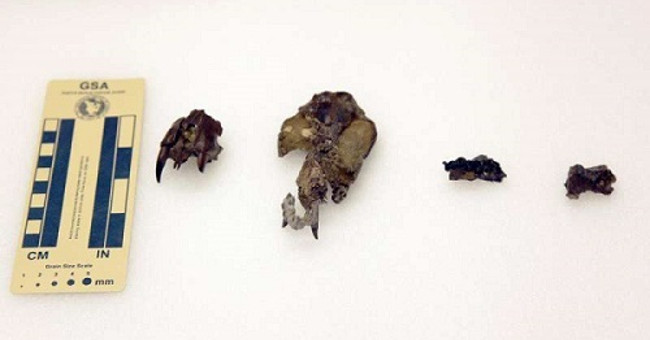
Prehistoric fossils found in China include bones with jaw characteristics of modern vertebrates.

Excavators excavated the oldest solid fossil, dating to about 167 million years old, help to understand the evolution of this species.

The 429 million year old fossil fish in China may be the earliest creature with a recognizable face, thanks to the modern jaw frame.
Gia Lai Department of Culture, Sports and Tourism has issued a certificate of registration of the owner of fossil ivory dating to more than 19,000 BC for Mr. Nguyen Truo…
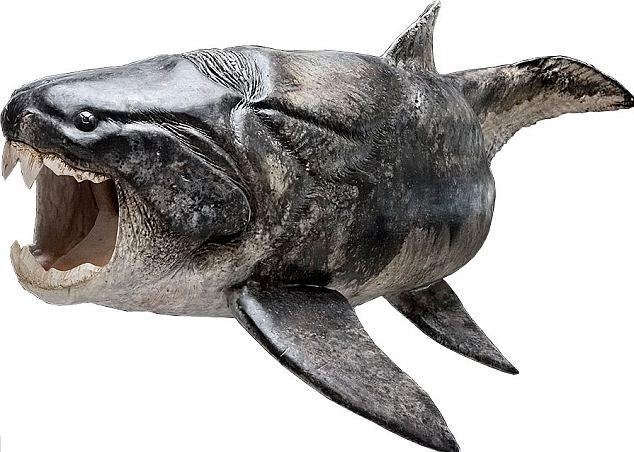
Scientists have found that prehistoric fish 400 million years ago began to have teeth like mammals.
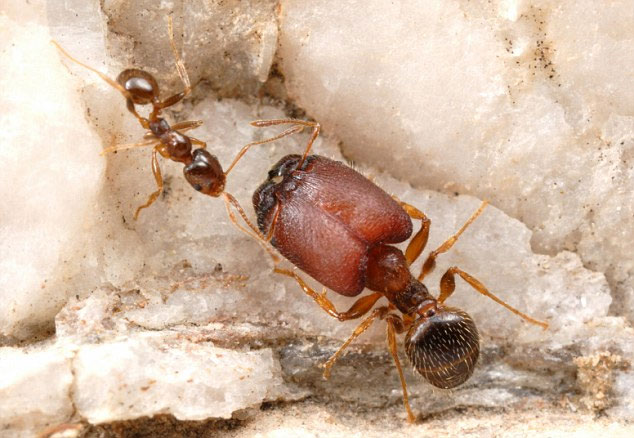
The ants 'monsters' with their heads and large jaws have been created by scientists by activating ancient genes.
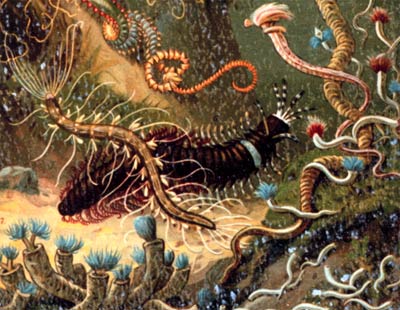
A sea worm with a stronger jaw than teeth is suggesting to scientists about a super-durable material in the future.
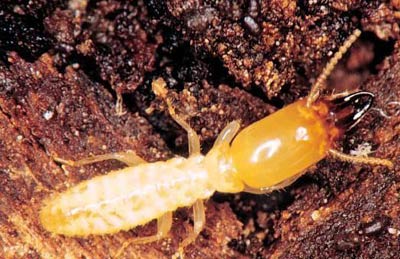
Blink and you'll miss this scene: a trivial termite Termes panamensis claps its jaws at a rate that passes through all the movement of mechanical energy on Earth.
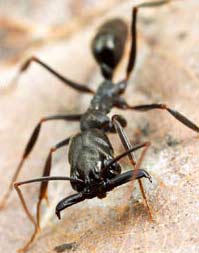
Central American ants with strong jaws like traps can bite with force 300 times their body weight. Their jaws closed at a speed of more than 100 km / hr - the record in…
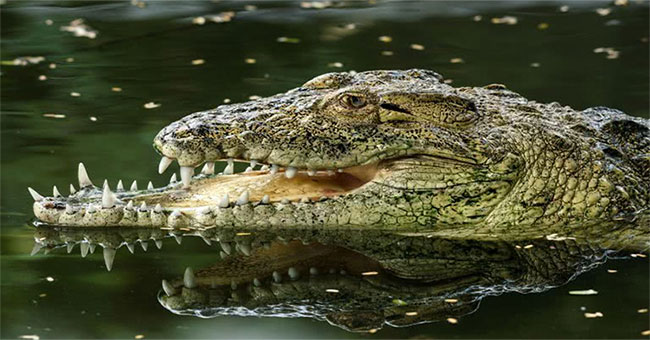
The battle with fellow humans caused an Indian zoo crocodile to break his jaw bone and learn to live with the lower jaw.
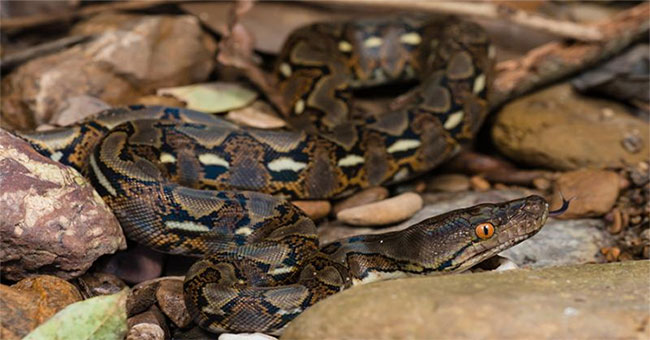
Pythons possess flexible ligaments that connect two jaws, allowing them to widen to swallow huge prey.
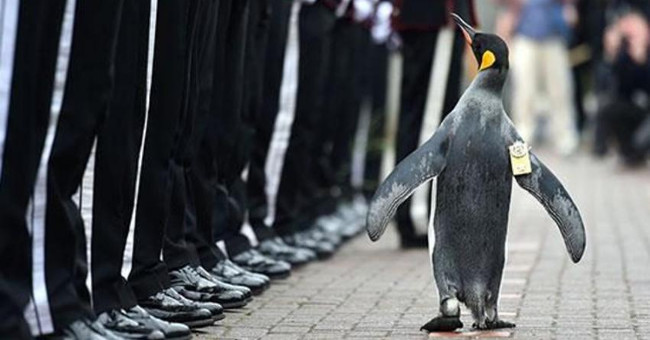
Nils Olav, a famous penguin knight at Edinburgh Zoo, Scotland, was granted the rank of prime minister in the Norwegian Royal Guard.

Hunting skills, jaws, sharp claws and deadly venom have turned these animals into high-class predators.