
Science invention
Invention of a giant kite-pulled carriage in the 19th century
From his passion for kites, an English teacher invented a carriage pulled by a pair of giant kites, which could run 32km/h in the 19th century.
Browse ScienceInfo articles and explainers related to Kite.
38 published items.
From his passion for kites, an English teacher invented a carriage pulled by a pair of giant kites, which could run 32km/h in the 19th century.
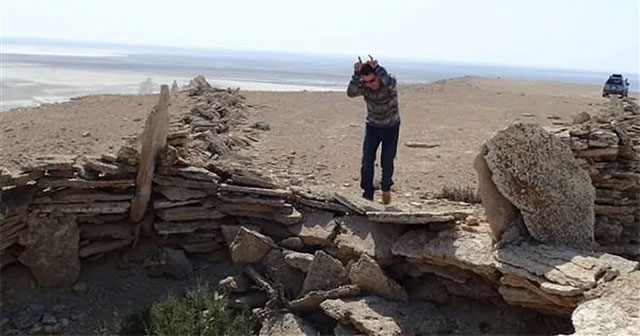
Ustyurt is located in Central Asia, spanning Kazakhstan, Uzbekistan and Turkmenistan.
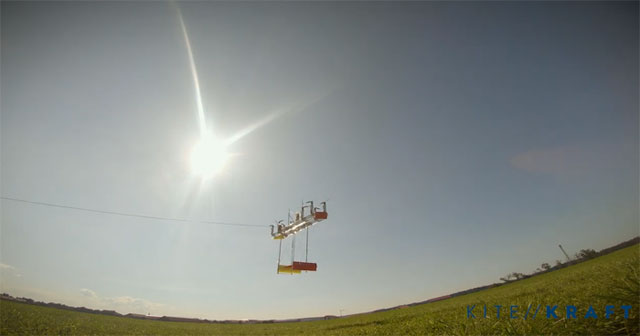
Kitekraft's kite-shaped wind turbine design helps to reduce construction costs, making it easy to apply in places where it is difficult to transport large propellers.
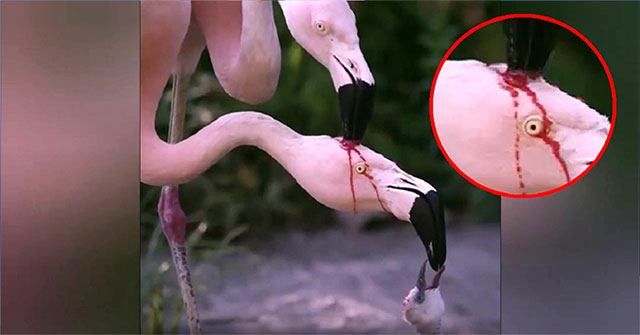
The cause behind the image
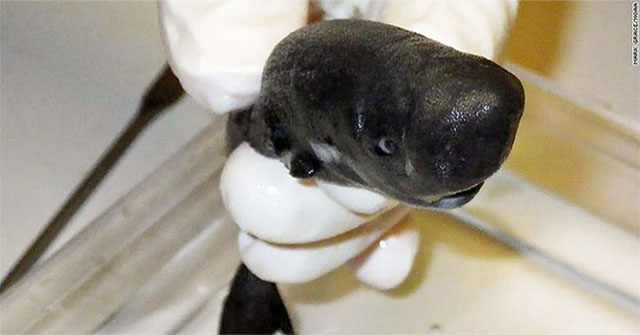
Sharks often sneak and sniff prey before they attack. But all this newly discovered shark needs to do is glow in the dark, and the prey will come to them.

At the end of 2017, there are about 400 stretched stone architectures, some of which are about the size of a few football fields, have been seen in non-human and living…

Besides the purpose of moving from one place to another, people also created many new forms of flying for entertainment or sports purposes.

Wearing a kite-like shape when viewed from above, this ancient building is essentially a giant trap used to hunt animals.
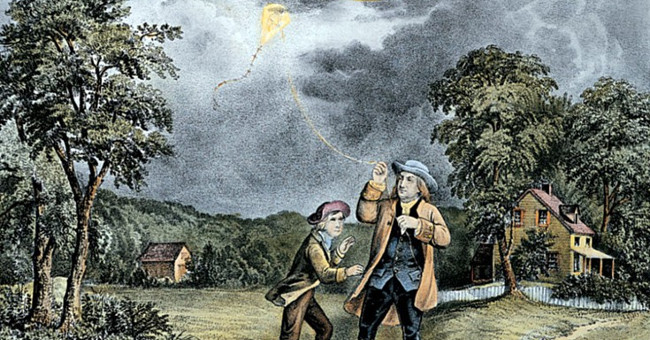
In 1752, Benjamin Franklin performed lightning experiments in a very famous atmosphere.
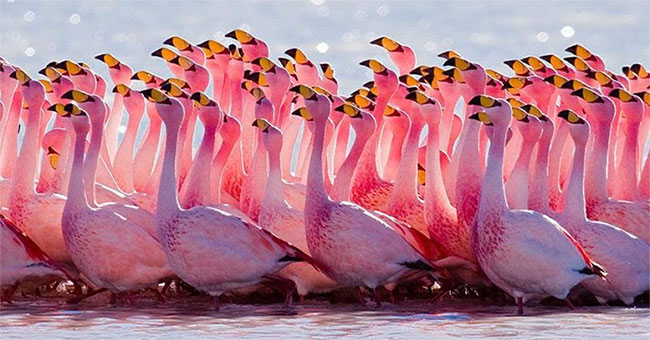
We often attach ourselves to the ability of lactating lactating milk to mammals. But mammals are not the only class that can secrete nutrients for young children.
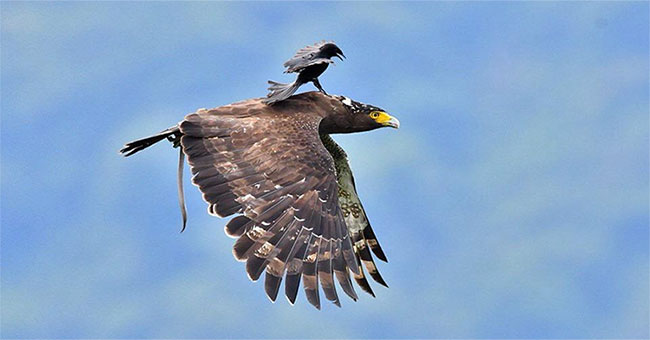
The small black paddle actively attacks Burmese flower kites when it is struggling with prey.
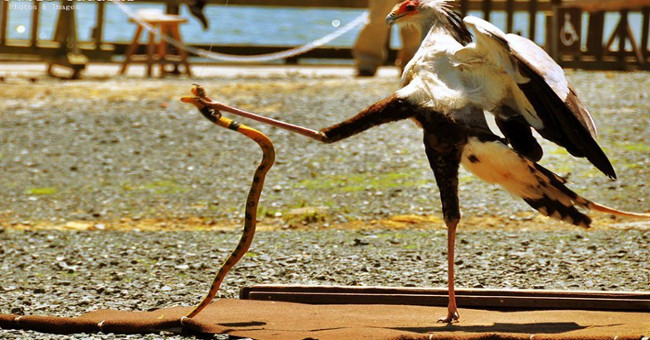
Kites are famous for being faithful birds. The bird also appears on the coat of arms of Sudan and South Africa.
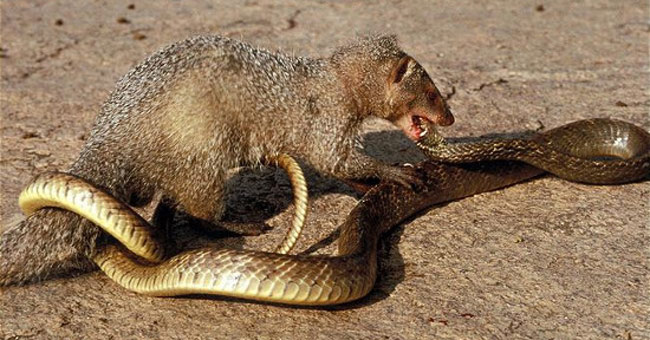
Hedgehog with stabbing sting, honey badger has sharp fangs with the same ability
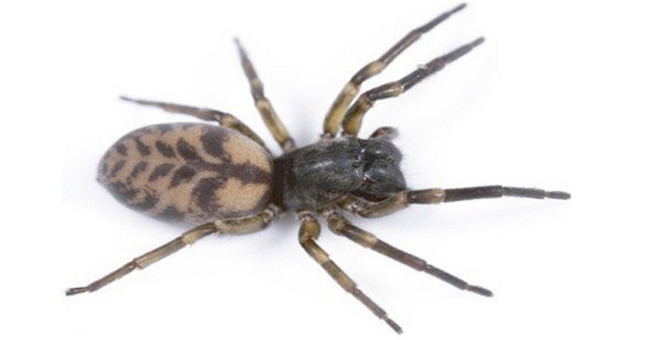
Ghost spiders use silk as kite wings to fly hundreds of kilometers through the ocean to settle on the island more than 600km from the Chilean coast.

The snake-eating kite can kick 5-6 times its body weight, causing the prey to be defeated.