Biology
Detecting insects helps people collect plastic waste
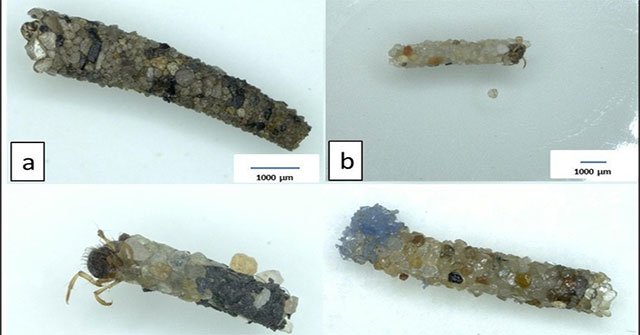
A larvae belonging to the Plumage Wing have adapted to environmental pollution, but this can be traded for their lives.
Browse ScienceInfo articles and explainers related to Larvae.
188 published items.
A larvae belonging to the Plumage Wing have adapted to environmental pollution, but this can be traded for their lives.
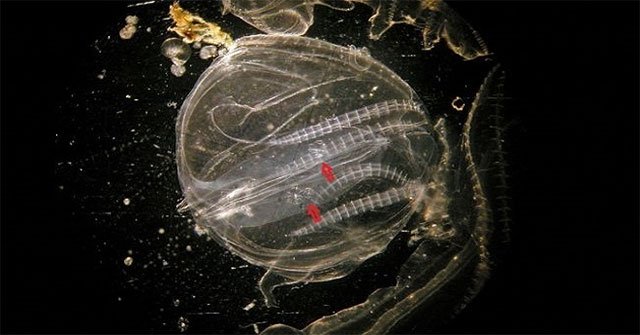
Thousands of invasive Leidyi jellyfish in the Baltic will begin to eat offspring in the late summer to survive a food shortage.
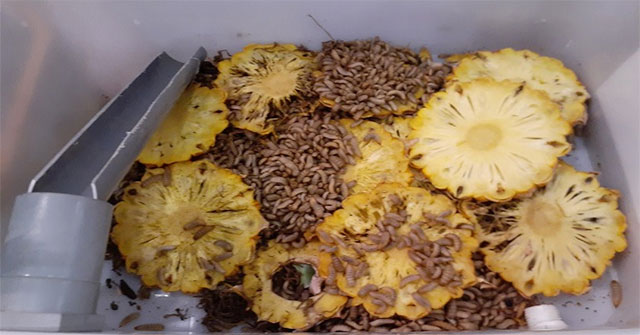
Hoa 'flies', Hoa 'black soldiers' are nicknames associated with Nguyen Trong Hoa for a long time but Hoa did not mind, on the contrary, she felt very proud.
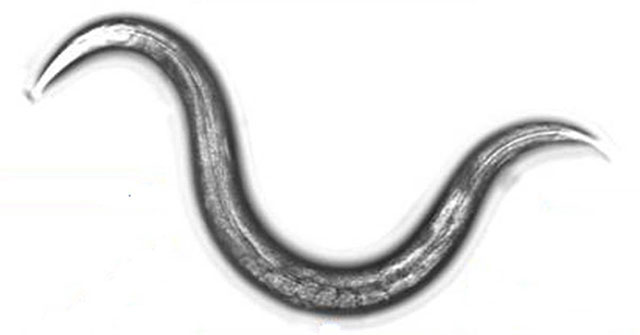
The cancer screening kit, based on the ability of a nematode to smell cancer cells in urine, costs $ 90.

This is the only plant in the world that allows Panamanian and American scientists to work together to produce and release over 20 million irradiated flies every week, m…
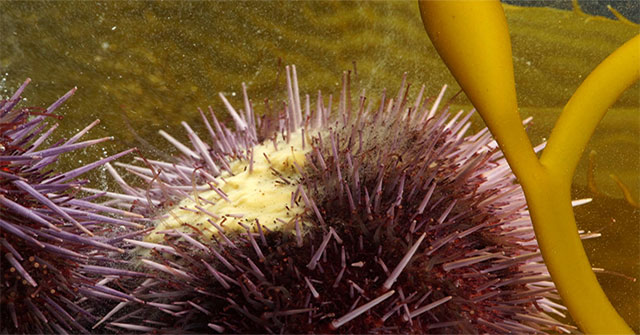
Besides the strange shape, the way of reproduction and development of sea urchins is also very special, because they possess the technique of 'turning from the inside ou…
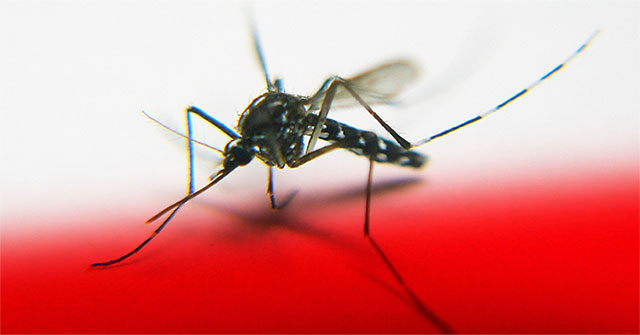
Students at Ben Gurion University (southern Israel) have developed a biological method that uses genetically modified bacteria to kill mosquitoes.
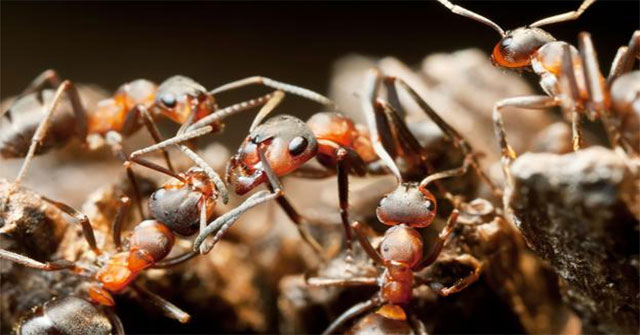
Kidnapping ', which seems to exist only in humans, also appears in insects, particularly ants.
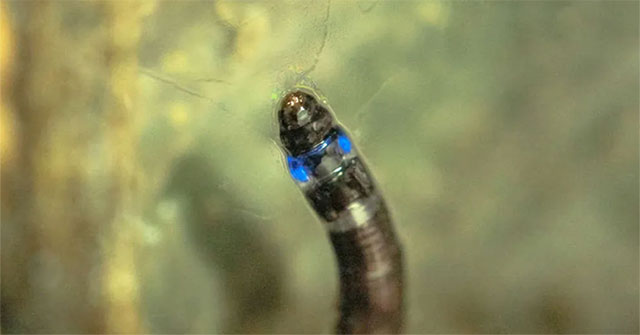
Research author Cassius Stevani, from the University of São Paulo's Institute of Chemistry, notes that this is the first time scientists have recorded blue emissions fro…
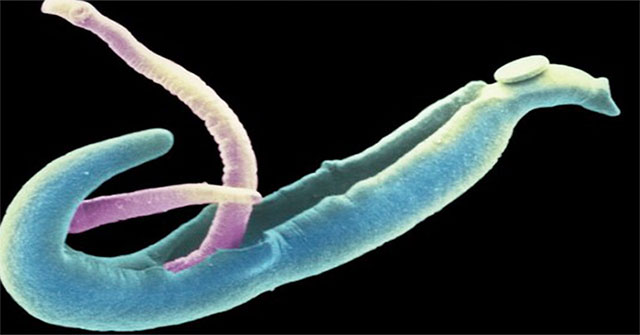
The human body is an excellent environment for some parasites to live and reproduce. When they parasitize in your body, it will be a real nightmare.

A series of microscopic organisms that can be completely new to science are making scientists extremely excited.
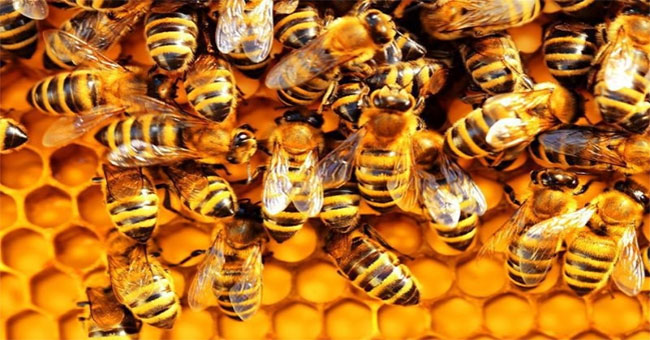
The first vaccine in the world for honey bees prepared by Finnish scientists will be mixed into the queen bee's feed and transmit disease resistance to all future bee ge…
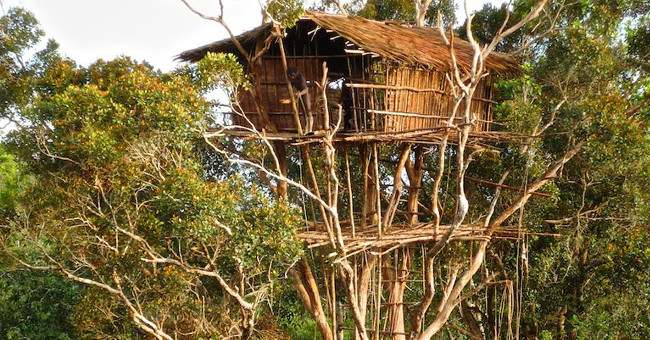
Known as one of the only tribes on earth that does not live on the ground, the Korowai tribe is located in Southeast Papua, Indonesia.
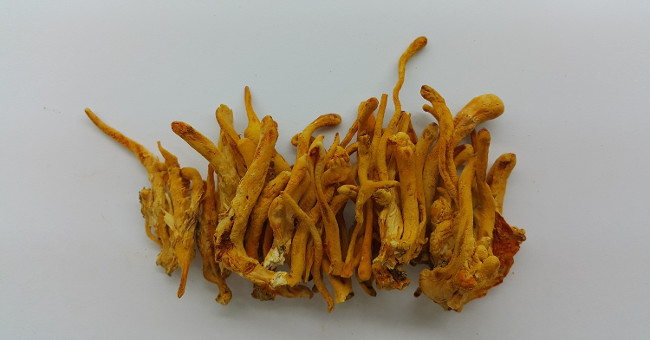
Chinese scientists build a process to grow replacement products of cordyceps in the laboratory.
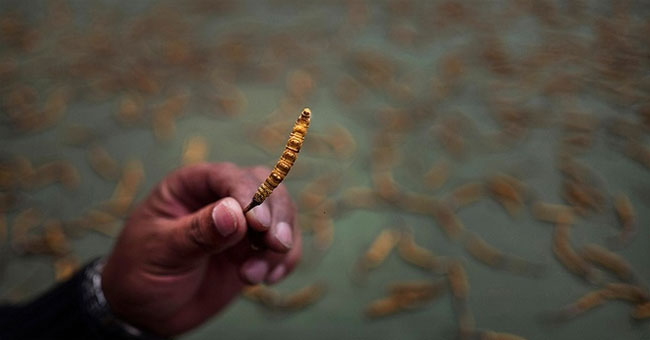
On the peaks of the Tibetan plateau, nomadic people crawled in the middle of the grass to search for Cordyceps, a rare oriental medicine made from parasitic fungi.