Discover science
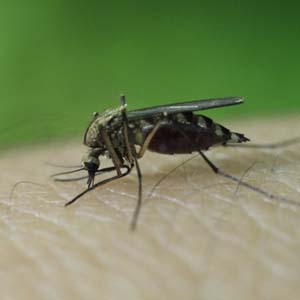
New method to effectively kill malaria mosquito larvae
Use oil to disperse pathogenic fungi on the water surface to help kill mosquito larvae effectively.
Browse ScienceInfo articles and explainers related to Larvae.
188 published items.
Use oil to disperse pathogenic fungi on the water surface to help kill mosquito larvae effectively.
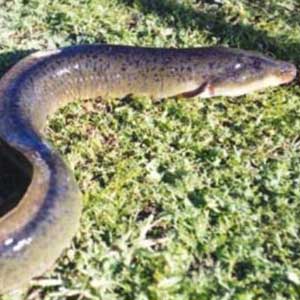
A team of Japanese researchers said they first found wild eggs in the Pacific Islands of the Mariana Islands.

Researchers have figured out how the first evolutionary eyes work and how they guide the marine life to light.
A group of scientists have discovered a number of unrecognized creatures near the Loch Ness area in northern Scotland but none of them are similar to the previously spec…
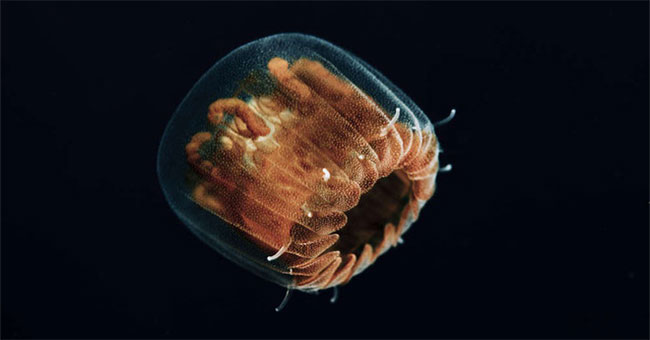
Summer is a time when it is impossible to go to sea. But amidst the many beautiful beaches on this planet, avoid Florida State of America - at least for now.
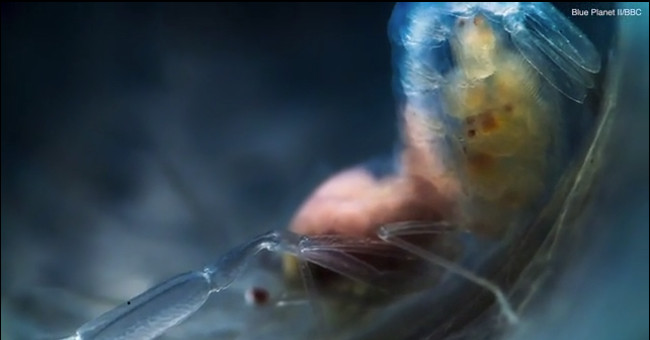
The story of a pair of permanently stuck shrimps that cannot be removed from the sponge, also known as the sea of natural material programs Blue Planet II on the BBC c…
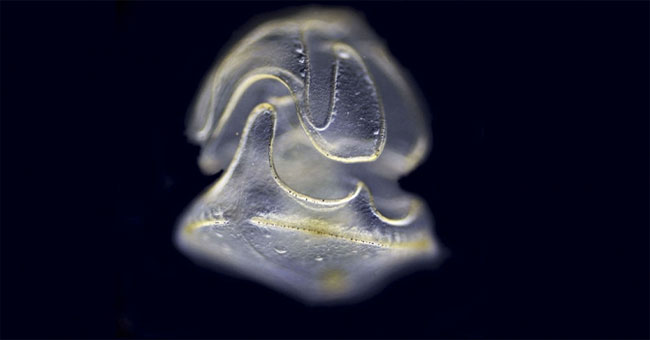
Oceanographers have discovered in the Pacific Ocean
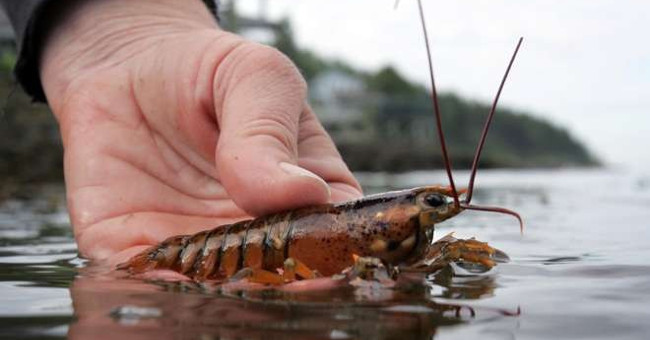
Young lobsters in the US waters are threatened by warming seawater and ocean acidification is constantly increasing.
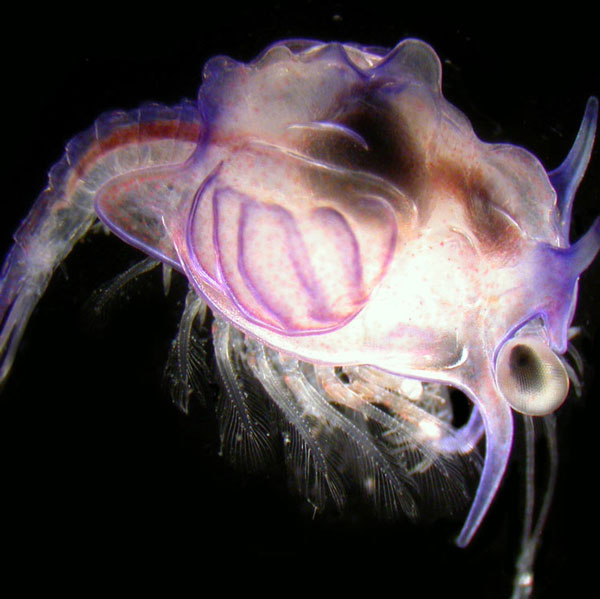
For nearly two centuries, scientists have not found what is known as the 'monster larva' found in the gut of fish, and whether those thick creatures are grown or not. No…
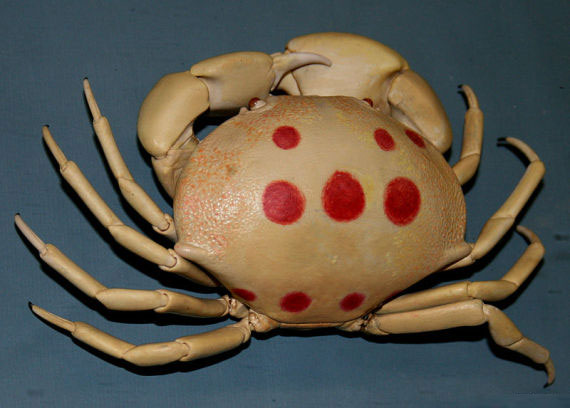
Millions of exotic crab-like animals, pea-sized, have attacked Hawaii beach, causing many experts to be confused. The attack of tiny purple creatures, curled up like bal…
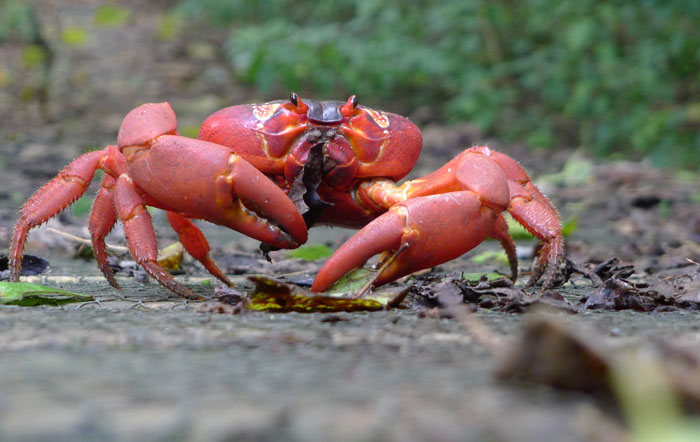
Hundreds of thousands of red crabs are seriously threatened after an oil spill on Australia's Christmas Island, located in the Indian Ocean.
You may think that once hatched, the fish is a strange swimmer. The reality is not so. When born, fish larvae struggle to move and survive. About 99% of the dead fish ar…

Italian researchers found the earliest description of worm disease only when studying a medieval painting.
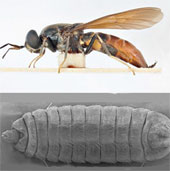
The larvae are found in the black soldier fly, with the scientific name Hermetia illucens. This fly grows thanks to decaying organic material.
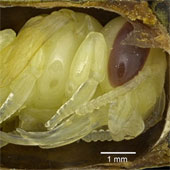
Scientists in California (USA) have used CT scanning technology to record an impressive detailed image of an Ice Age bee, preserved inside a nest made of ancient leaves.