Space science
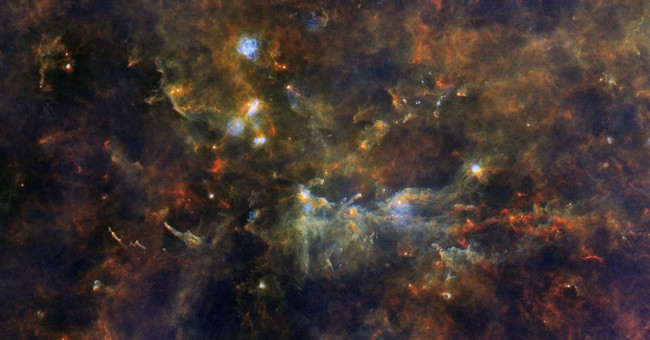
The Herschel space telescope found the star group 8,000 light-years away
Human knowledge of the universe is limited by devices that discover the space that humans can create.
Browse ScienceInfo articles and explainers related to Light Year.
96 published items.
Human knowledge of the universe is limited by devices that discover the space that humans can create.

American astrophysicists discovered a black hole
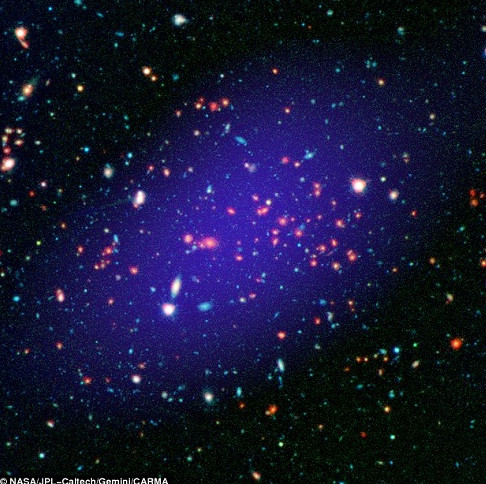
Astronomers have discovered a huge collection of galaxies in the extremely remote region of the universe thanks to NASA's Spitzer space telescope and Wide-field Infrared…
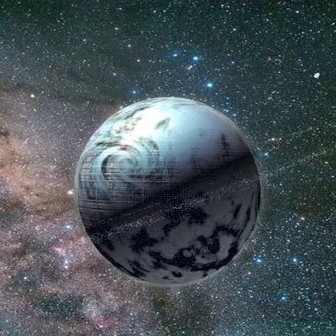
This question comes from the star KIC 8462852 - the star is considered the most mysterious universe today.
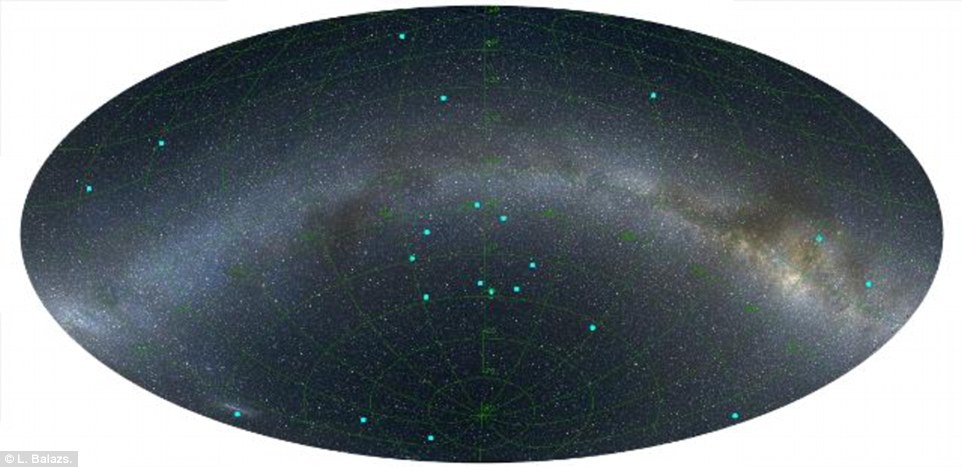
A Hungarian-American research group has discovered a giant mysterious circle that is the result of gamma-ray bursts. It is the largest in the universe and 5 billion ligh…
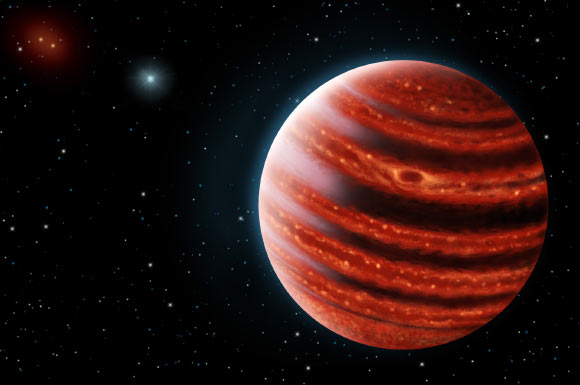
Using specialized devices, astronomers discovered a Jupiter-like young planet 97 light-years away from Earth and dating only 20 million years old.
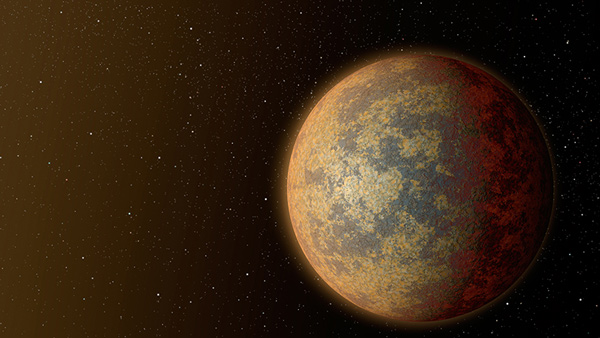
NASA's Spitzer Space Telescope has just discovered a planet made of rock like Earth and located only 21 light-years away, the closest of any known planetary planet. .
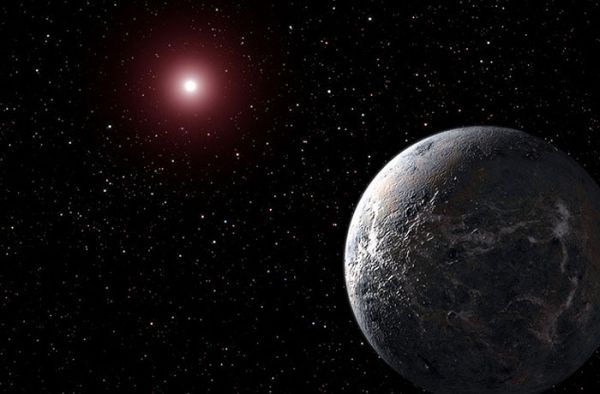
Recently NASA continues to discover a smoky cloud-like planet, located 13,000 light-years from Earth. This is said to be one of the furthest planets ever seen in the uni…
Astronomers have discovered a hydrogen air bridge spanning 2.6 million light years across galaxies 500 million years apart.
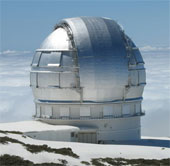
On March 6, Russian scientists at Irkutsk State University said they had taken unique photos of the explosion of the oldest star from Earth. 12 billion light years.
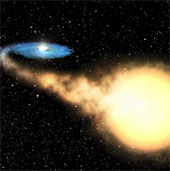
Researcher Peter Jonker of the SRON Space Research Institute in the Netherlands said the black hole is named V404 Cygni about 7,800 light-years from our Earth.
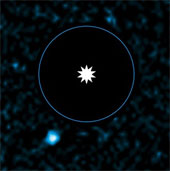
The European telescope has captured an image of an asteroid circling the central star 300 light-years from Earth, equivalent to 3.7 billion round-trips to the moon.
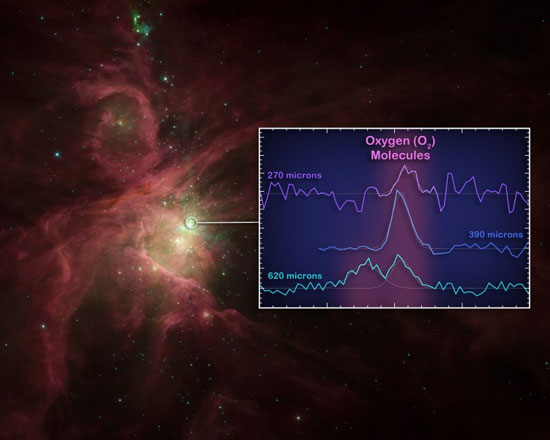
A group of scientists discovered the first oxygen molecules in deep space in the constellation Orion region, about 1,500 light-years from Earth.

Scientists have discovered a cosmic bubble generated from the release of gas from a dying star, up to 60 light-years across and approximately 70,000 years old.
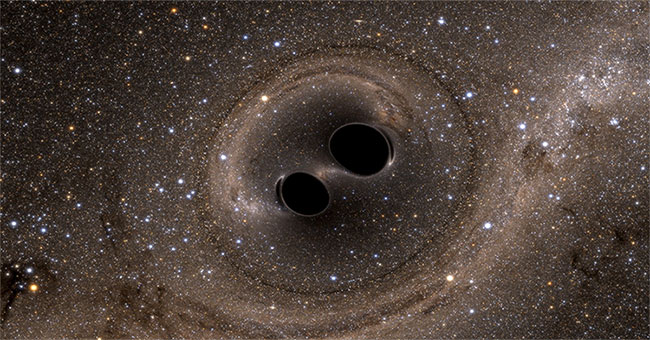
Thanks to gravitational wave data, experts discovered a special event that created a supermassive black hole dozens of times more massive than the Sun.