
Biology
Identify human identity by bacteria
The bacteria on human hands are not the same, so they can be used to identify forensics like DNA and fingerprints.
Browse ScienceInfo articles and explainers related to Like.
5,993 published items.
The bacteria on human hands are not the same, so they can be used to identify forensics like DNA and fingerprints.

Over 80% of plants and more than 90% of animals in Madagascar cannot be found anywhere else on the planet.

Humans have twice the lifespan of primates like chimpanzees and monkeys ... Meat may be the reason for the differences in genetic structure that explain why people live…

For the first time, scientists from the University of North Carolina, USA, have completed finding about one-fifth of the HIV gene structure.

A new virus like HIV attacks koalas, reducing their numbers and threatening them to become extinct.
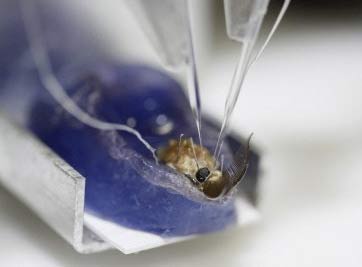
The police released a pack of butterflies to search for drugs in the boxes, the bees swarmed through the gap in the rubble to search for earthquake victims ...
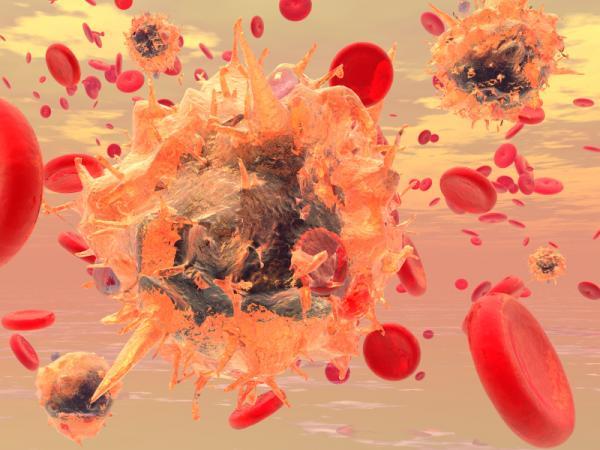
How do white blood cells - 'warrior' of the immune system - reach the site of infection or injury?
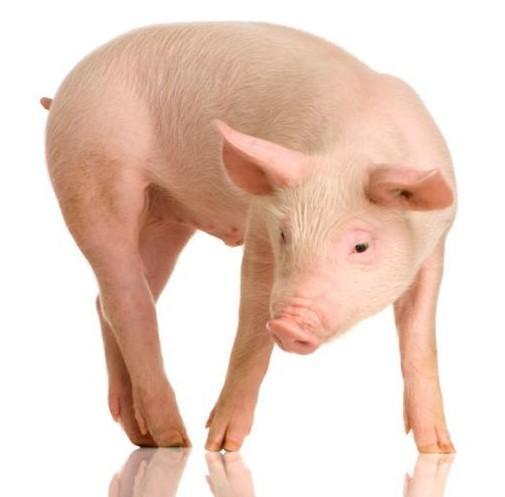
Scientists have been able to stimulate cells from pigs to transform into almighty stem cells - cells, like embryonic stem cells, capable of developing into any type of c…

A new finding allows the genetic reversal to be done to restore the dinosaur gene that has slept in modern poultry bodies like chickens.

If one finds a new harmful insect, people often deal with it by finding a species that likes to eat them.

Like firefighters fighting the fire, researchers at the University of Illinois and the University of Massachusetts at Amherst have discovered a way to deceive bacterial…

It sounds like the content of a fictional movie, but American scientists have found a way to remove memory from the rat brain without any side effects.
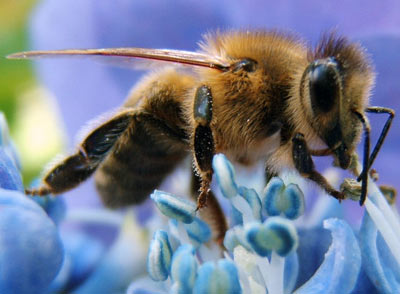
With brain size just like sesame seeds, honey bees have shocked the scientists of Australia and Sweden as they show their mathematical recognition at their basic level.

In the microscopic world, even small creatures like bacteria know how to adopt a cooperative and sacrifice strategy to ensure the survival of the community.

Due to scarcity of food, a carnivorous plant swallowed algae to meet their nutritional needs.