Animal world
Why is plastic a deadly attraction to sea turtles?
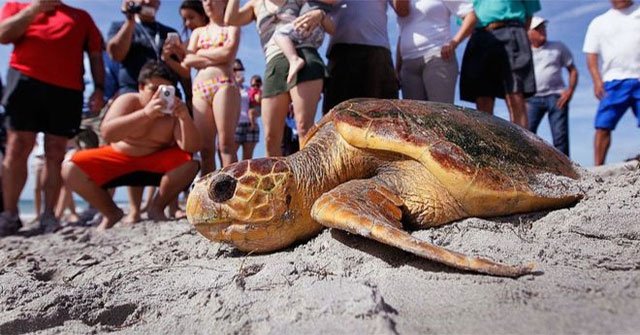
Scientists have new evidence to explain why plastic is dangerous to sea turtles: animals confuse the scent of plastic with food.
Browse ScienceInfo articles and explainers related to Like.
5,993 published items.
Scientists have new evidence to explain why plastic is dangerous to sea turtles: animals confuse the scent of plastic with food.

Fusion energy seems like a promising and promising technology, but never true?
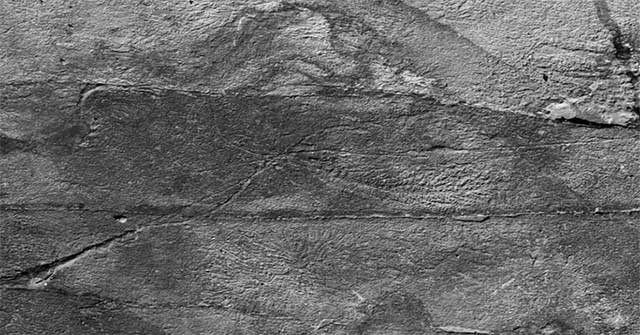
British scientists have discovered a kind of weird ocean monster, connected by a social network with thin thread like thread.
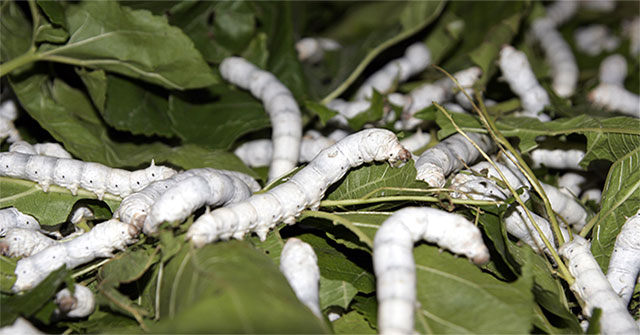
About 18 million years ago, there was a species of mulberry tree on Earth. Mulberry trees, which grow in hot and humid areas, are green trees all year round. After comin…

An Australian university has just created an interesting lithium metal battery prototype, in contrast to today's lithium batteries.

This series will answer you the interesting things around us in the simplest and most concise way. An interesting collection of explanations for why questions.
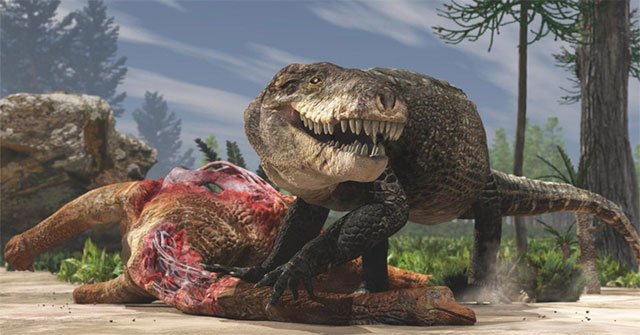
Giant prehistoric crocodiles have a large body like trucks, followed by long legs that allow them to run many times faster than their modern descendants.

Scientists have discovered electricity in the outermost atmosphere of the Moon as it enters the affected area of the Earth's magnetosphere.
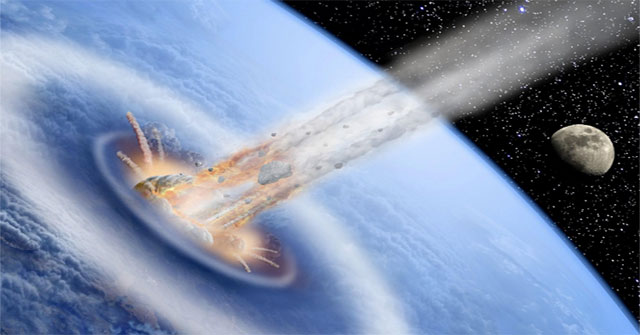
Currently, our planet is surrounded by thousands of almost comet-like objects and asteroids with orbit through are likely to start a process of collision with us.
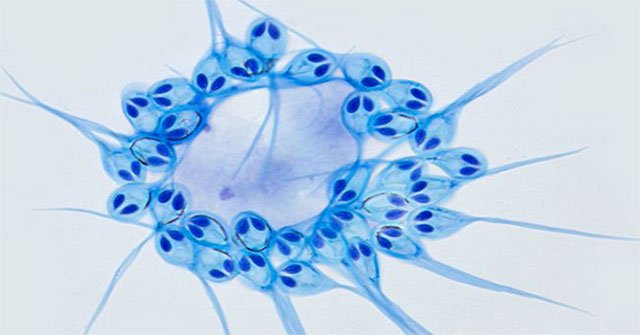
During evolution, an aquatic parasite removed body parts to make it simpler.

Garry Kasparov once dominated the chess village until he was defeated by IBM's Deep Blue supercomputer in 1997.

A film from the 1940s showing how to operate and use mobile phones far different from today.

During the feudal period, many Chinese emperors

Have you ever wondered what a normal heart rate is like? And how often is the heart rate good? What are the health effects of fast, slow or irregular heartbeat? Let's fi…
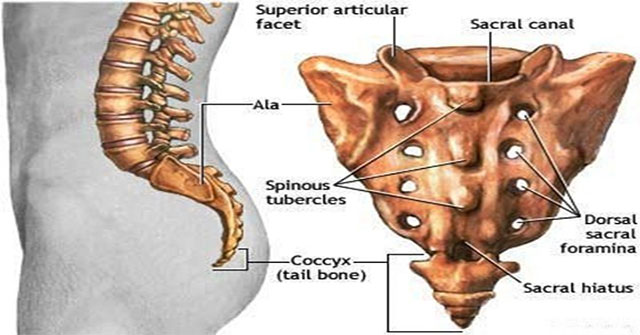
Although now useless, the human tailbone - often referred to as the tail bone - is still present at the bottom of the spine, a remnant of our tailed ancestors.