Archeology
Graveyard mammoth under the Volga river
Russia's largest river is likely to contain a mammoth graveyard. Scientists hypothesize that after divers often encounter prehistoric animal bones in the riverbed.
Browse ScienceInfo articles and explainers related to Living.
1,524 published items.
Russia's largest river is likely to contain a mammoth graveyard. Scientists hypothesize that after divers often encounter prehistoric animal bones in the riverbed.
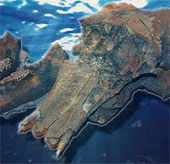
Kevan Sheehan (68), living in Osmingtton (England), collected fossil bones from this animal for five years from the first fossil bone fragments.
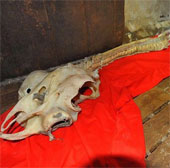
A fisherman has picked up from the bottom of a river flowing through the locality a fossil skeleton of a strange animal, but at first glance everyone must say that it is…

In 2009, Daisy Morris, a 4-year-old girl living in the city of Whitwell on the British island of Wight, discovered fossil bones on Atherfield beach.
For centuries, countless residents living near the remote Labynkyr lake in Siberia (Russia) reported seeing a large, strange underwater creature. It all raises speculati…

The results of a group of scientific researchers from the University of Valencia, Spain, said that from 14,500 years ago, people had taken advantage of whale meat, fat a…
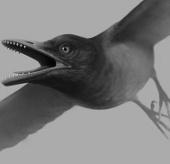
Fossil bone specimens of a living tooth bird 125 million years ago have just been discovered in China.
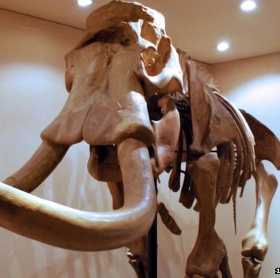
Scientists say wild elephants living in North China 3000 years ago belong to the extinct Palaeoloxodon. Earlier, the elephant was believed to be Elephas maximus, an Asia…
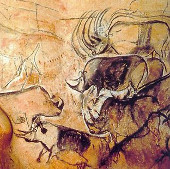
A new study shows that prehistoric people living in caves draw four-legged animals better than today's artists.
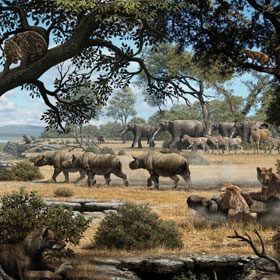
Everyone knows dogs and cats are enemies, but recent archaeological evidence has shown that 9 million years ago dogs (bear dogs) and cats (sword cats) used to live peace…

Scientists have revealed the life of the world's oldest primates, living 66 million years ago.
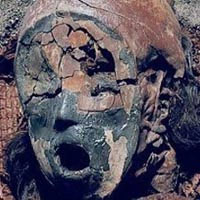
The South American Indians of the Chichorro culture living in the desert Atakama has mastered the technique of turning the dead into a mummy thanks to climate change fro…
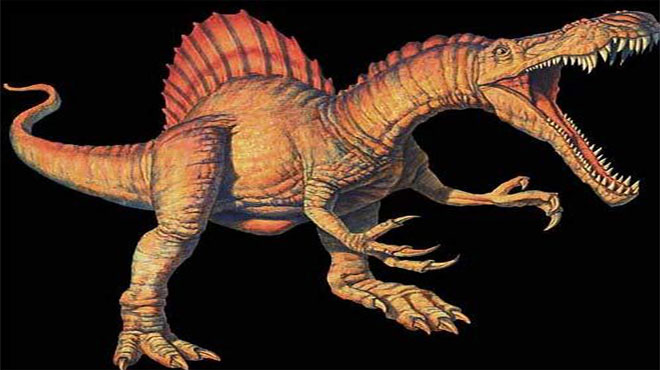
LiveScience has published the results of the largest scientific study of carnivorous dinosaurs in history. Leading the list is the Spinosaurus dinosaur.
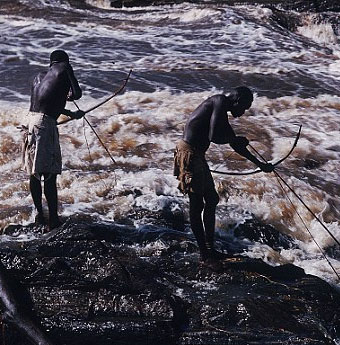
Scientists believe that modern humans began to appear in Africa after genetic changes helped them to adapt to plant foods. This change makes modern humans can leave the…
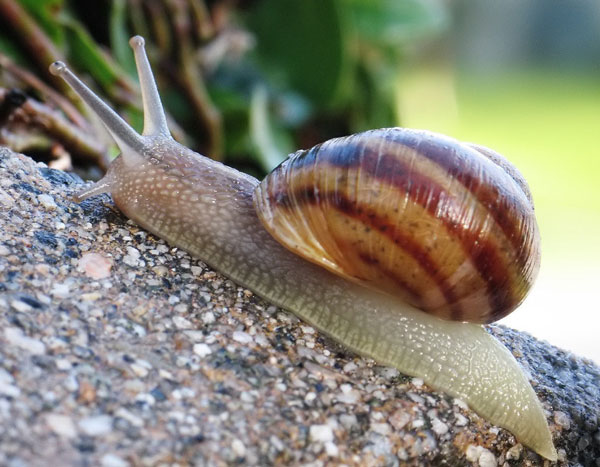
Fossils of a snail-like creature, living in the seabed 500 million years ago, have revealed light on the origin of modern snails, shellfish and squid species.