Biology
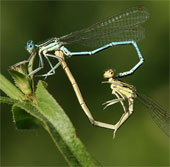
Insects also 'love' gay
The sex life of insects has long been judged to be relatively simple with sexy dance, hooked abdomen and one.
Browse ScienceInfo articles and explainers related to Love.
674 published items.
The sex life of insects has long been judged to be relatively simple with sexy dance, hooked abdomen and one.
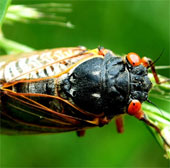
The scientific community has long been interested in the magicicada cicadas in the east coast of the United States for a long time, because perhaps they are the

Northern peaches, southern apricot flowers are two typical species and are believed to be the symbol of spring Vietnam.
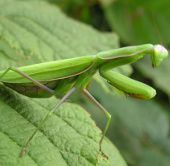
When the female mantis met, the male mantis forgot all its danger, fluttered again, despite losing its life as if it was playing, as long as there was a love affair.
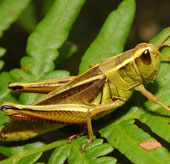
Male grasshoppers that live in noisy urban environments must increase the volume of the melodies they emit
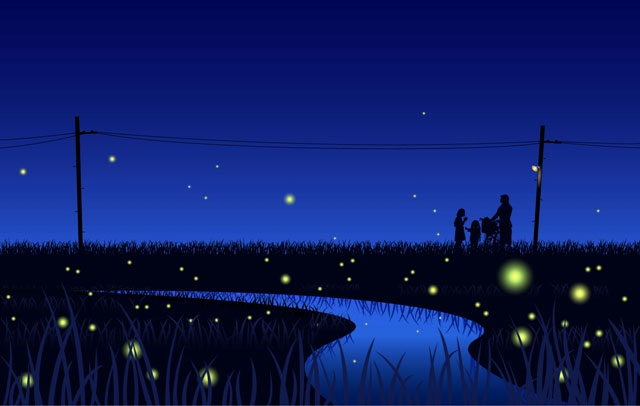
In addition to glowing to seduce mates, male fireflies also offer a unique
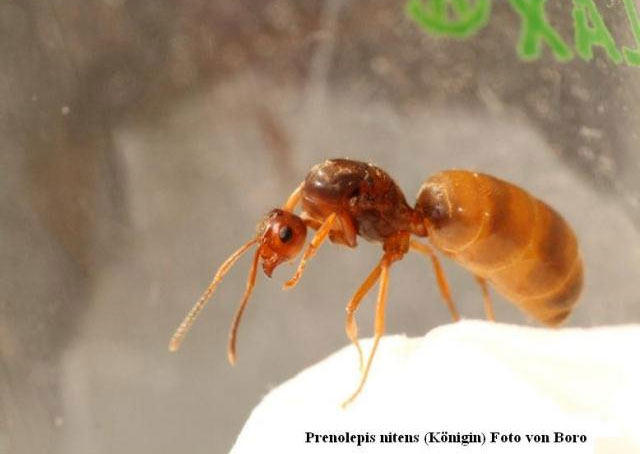
According to researcher Walter Tschinkel at Florida State University (USA),
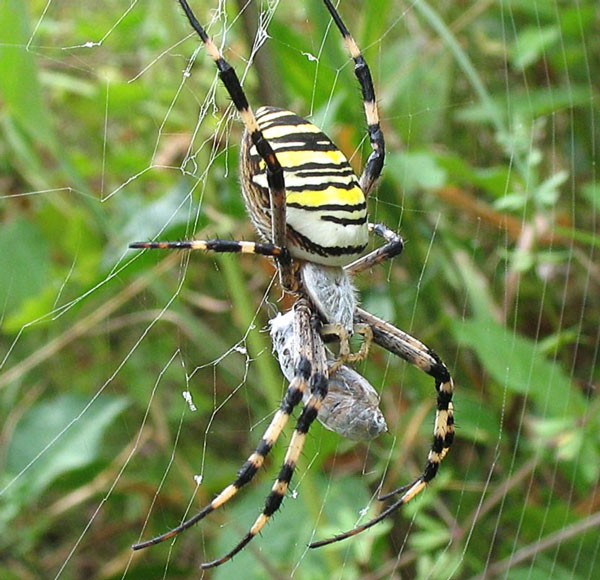
The habit of re-mate your partner right after satisfying the love of the female spider is determined to be a necessary action to produce a healthy descendant.

Chocolate prices may soar in the future due to global warming causing cocoa production to decline. Chocolate is a sweet food known worldwide. It is considered that choco…
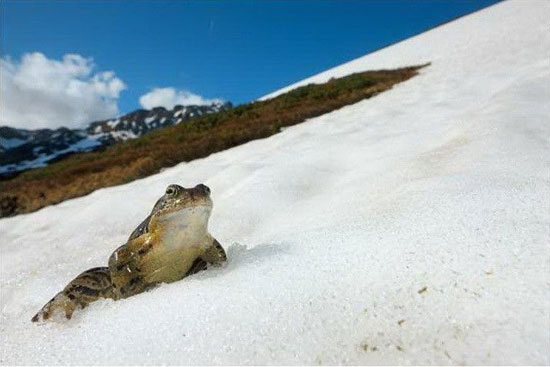
Above the altitude of 1.800m, the Alps exist a unique lake. This is the home of hundreds of frogs Rana, one of the rare creatures living on this altitude, in glacial lak…

Normally the Dawson bees treated very harmoniously, however, during the breeding season, they were ready to destroy each other to ... win a mate.

Many DNA testing companies in the world are promising to make silk and maternal love for couples based on the results of genetic analysis.

Indian officials are troubled by the situation that many farmers in the country use oxytocin to fertilize pumpkin and cucumber, to promote tree growth.

Naturalists claim roses, symbolic flowers of love, not only use red to attract the attention of butterflies but also a powerful weapon to drive away enemies.

The study of two professors Semir Zeki and John Romaya examined the areas of brain related to hate emotions.