
New technology
Find out how to make super-strong explosives at relatively low pressures
Russian chemists and physicists have found a way to make explosives
Browse ScienceInfo articles and explainers related to Low.
905 published items.
Russian chemists and physicists have found a way to make explosives

Ultra-low frequency technology allows communication to be established where normal wireless connections are not available.
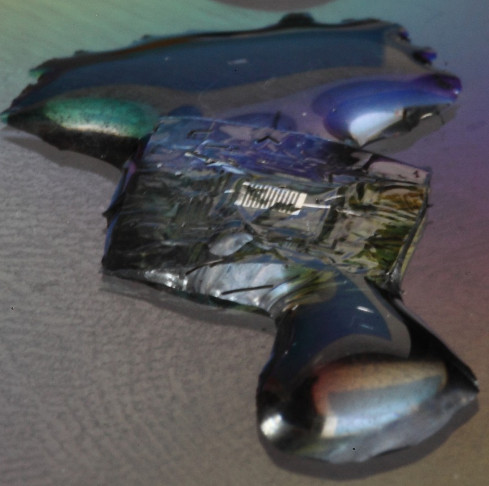
The US Defense Advanced Research Projects Agency (DARPA) is urgently researching a lightweight, low cost, easy-to-navigate UAV.
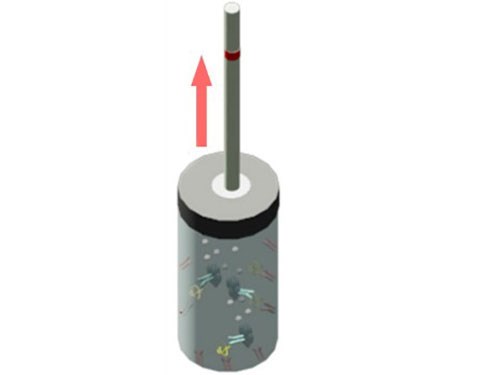
Korean scientists have developed a simple thermometer-like device that can help doctors diagnose low-cost myocardial infarction.
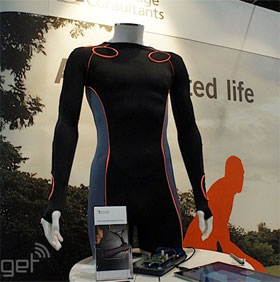
Cambridge Consultants, a product design and development company, has developed a smart fabric that can track body movements.

American Space Agency (NASA) launches new electric powered aircraft, equipped with 18 engines on the wing.
A Chinese manufacturer recently introduced a drone (UAV) inflatable.

The space transport market is becoming more and more active with the participation of private companies in addition to government agencies and organizations.
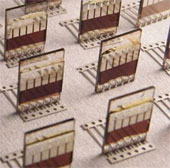
Experts at the University of Sheffield have created a low-cost, cost-effective solar cell that can cover all surfaces like paint.
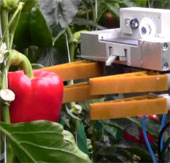
Thanks to a combination of low-cost sensors and computer vision, 'farmer robots' are increasingly capable of independently orientating and performing complex tasks.
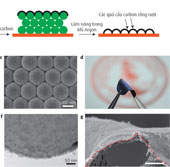
Until now, the creation of a small, high-performance, low-cost, and low-cost battery generation has always been a target of research for scientists around the world.

In many previous studies, scientists have demonstrated that using low intensity electricity in some cases can help treat some diseases, such as depression, anxiety or ch…
A large amount of excess heat arises from industrial processes and power generation projects, researchers around the world have spent decades searching for ways to explo…
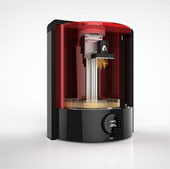
Aside from MakerBot and 3D Systems, the low-cost 3D printer market will embrace a new name: Autodesk.
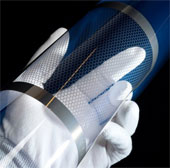
Researchers at the University of Iowa have discovered a way to convert magnetic data into optical data without the need for an external power source.