
Photo library
20 beautiful animations of scientific phenomena
The animation series depicts interesting chemical reactions, strange transformations that make you no longer feel dry and boring science, instead feeling excited and enc…
Browse ScienceInfo articles and explainers related to Magnet.
120 published items.
The animation series depicts interesting chemical reactions, strange transformations that make you no longer feel dry and boring science, instead feeling excited and enc…

When placing the opposite poles facing each other, the two magnets attracted each other and collided at 320km / h.

The handbook has the same structure as the normal notebook, except the neck is made of magnets that allow users to be comfortable
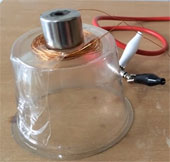
Andy Elliott, a guy with a YouTube account @ mist8k, shared the experience
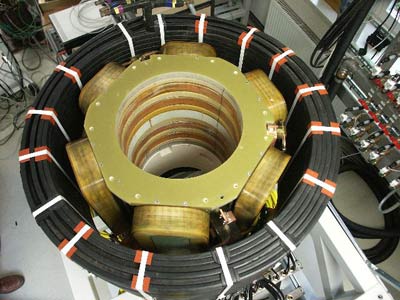
A research institute based in Saxe (Germany) said that it has just put into operation the world's most powerful magnet with a magnetic field that is 2 million and a half…
Why does our planet react like a giant magnet? A scientist is creating an Earth model to understand that.

Only 10 days after the beginning of the operation, the most expensive experiment in human history was broken.

With the product of Jupiter chemical practice robot, Nguyen Ngoc Cham, student of grade 12A2 Lang Giang High School No. 1 (Bac Giang) won the first prize in the
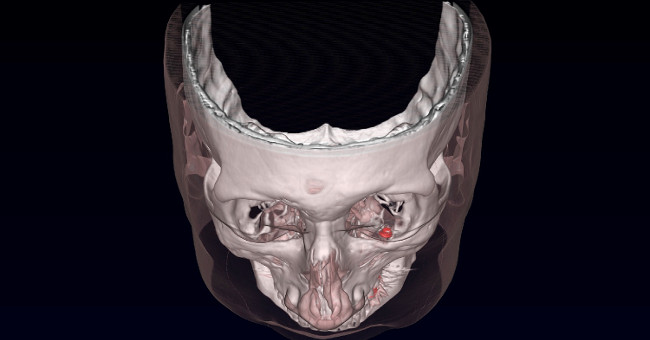
The newly developed process allows stabilizing the position of the eye through the implantation of titanium magnets into the eye socket.
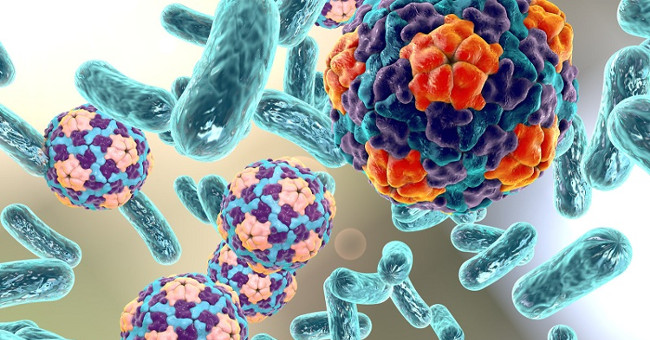
More than half of people with sepsis or blood infections have died. Treatment is usually related to the use of free antibiotics that may cause signs of infection.
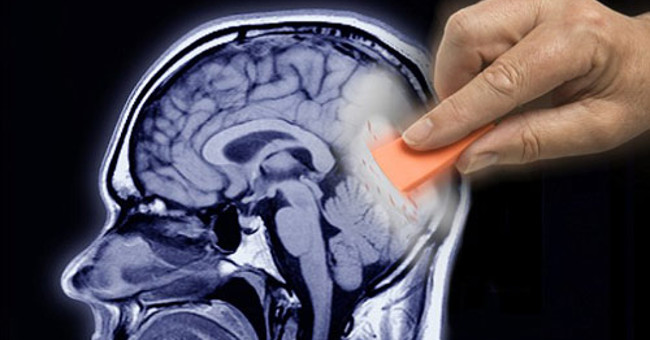
There is a new way to find lost memory. Scientists have used magnets to help people recall their past.

Nightmare for people
Not yet overwhelmed by the explosion of wearable tech devices, the world continues to witness the rapid development of implantable devices.

Tests on rats with cocaine addiction showed that they were released from drug addiction after scientists fired lasers that alter neurons in a certain area of the brain.
Scientists at Yonsei University, South Korea are looking to use magnets as a remote control to make metal particles capable of destroying cells.