Discover science
What is 'nuclear melting'?
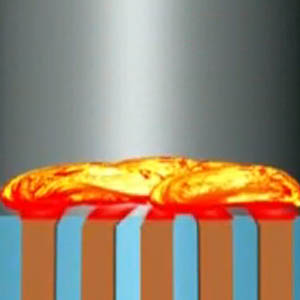
The melting of nuclear fuel rods when the temperature in the reactor's core rises to an extremely high level is called
Browse ScienceInfo articles and explainers related to Melt.
500 published items.
The melting of nuclear fuel rods when the temperature in the reactor's core rises to an extremely high level is called
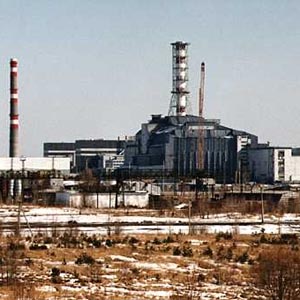
Fuel rods in Japanese nuclear reactors damaged by earthquakes and tsunamis are in danger of being completely melted and causing unintended consequences.

Accepting the position of a husband who is less happy than his wife can be the secret to a sustainable marriage life.
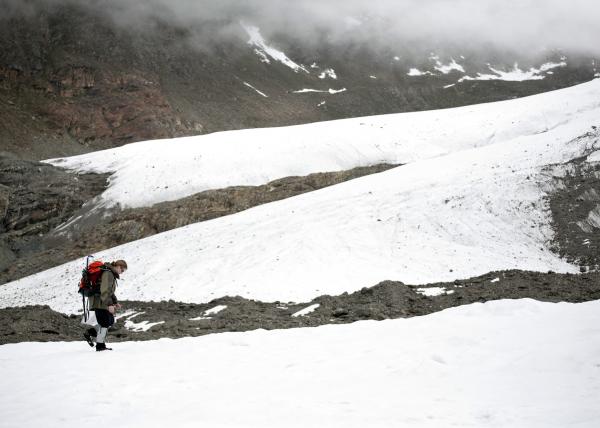
Normally when the temperature rises, the ice will melt away.
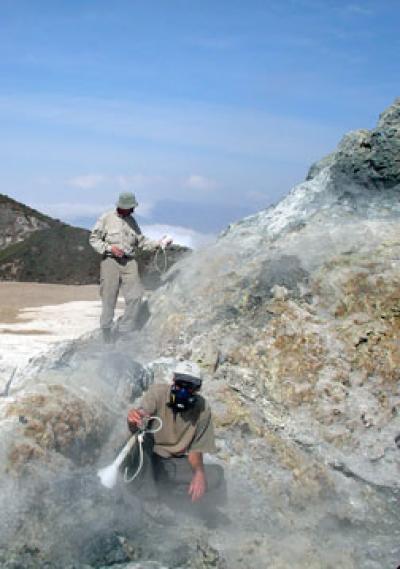
During the study of the world's most strange volcano, scientists discovered the underlying cause of the world's only carbon lava.

A study conducted by the University of Missouri, published in Nature, found that the Earth's crust melted more easily than we thought.
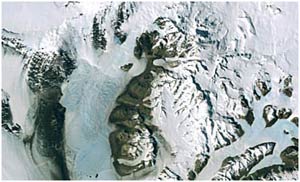
The radar survey showed that a rare eruption of volcanic eruptions about 2,000 years ago penetrated the Antarctic ice sheet and volcanic ash that spread throughout the i…

The taste of chocolate gives the feeling of ecstasy more than a kiss. A new study found that the moment of melting chocolate in the mouth brought about four times the pl…

A question that science has not found an answer for a century and a half. It is still known that the thin layer of water on the ice surface causes this slippery. But the…
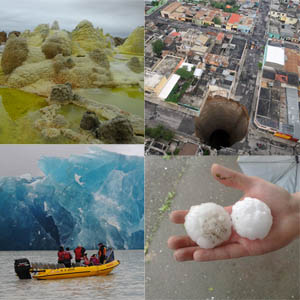
Flocks of giant fish, death-deep pits, are hundreds of meters deep or landslides of ice ... are strange phenomena after a natural disaster.
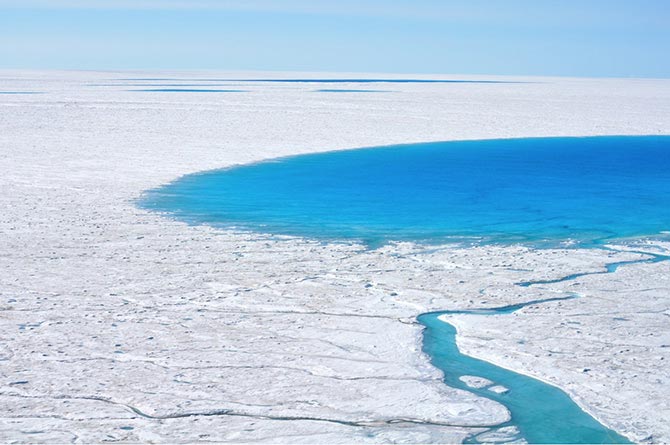
Scientists have finally deciphered the decade-long mystery of how some of the large lakes above the Greenland ice sheet could dry out billions of liters of water in just…

Once a year, when the frost melting the ice covered the Himalayan top of Roopkund, hundreds of human skeletons appeared, sprawled in the middle of the lake.

The ocean is not only an important factor for the Earth, but also the savior of this planet.
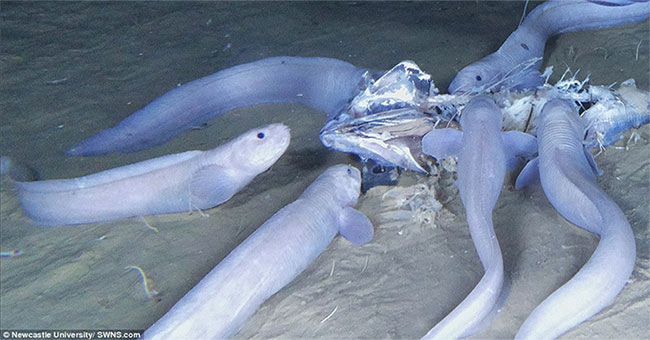
Three new 'ghost' species are found at 7,500 meters deep in the seabed, in one of the deepest fissures in the Pacific.
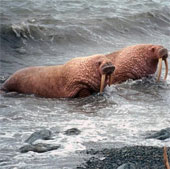
According to NOAA experts, it is the rapid melting of snow in the Arctic that causes 35,000 walrus individuals to migrate.