Biology
Detecting insects helps people collect plastic waste
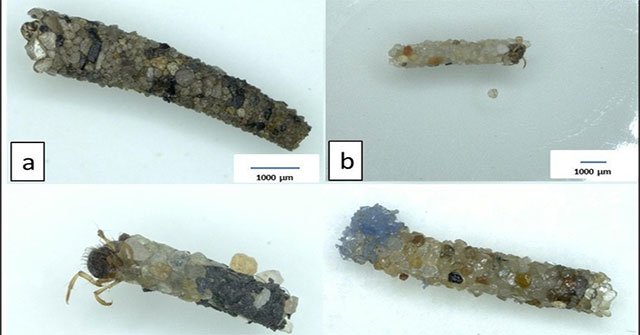
A larvae belonging to the Plumage Wing have adapted to environmental pollution, but this can be traded for their lives.
Browse ScienceInfo articles and explainers related to Micro Plastic.
17 published items.
A larvae belonging to the Plumage Wing have adapted to environmental pollution, but this can be traded for their lives.
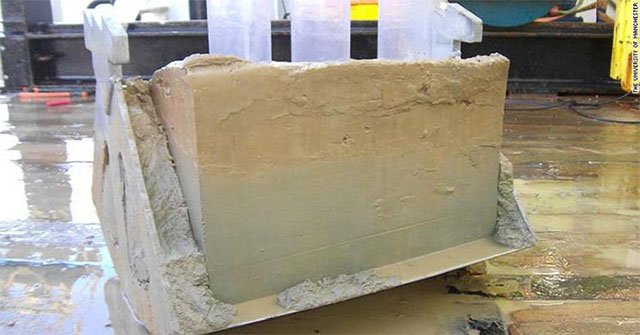
The researchers said they were shocked by the unprecedentedly high levels of microscopic plastic found on the ocean floor, with 1.9 million pieces in just 1m2.
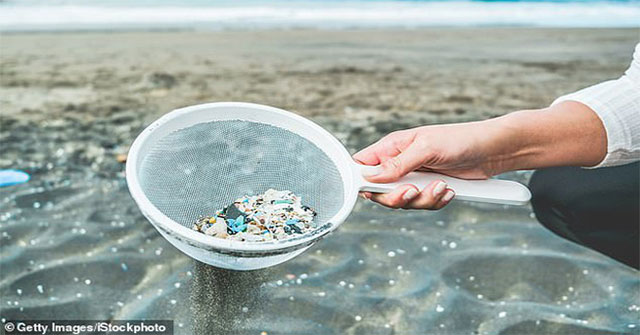
One study shows just how far the size of plastic waste is bigger than human estimates.
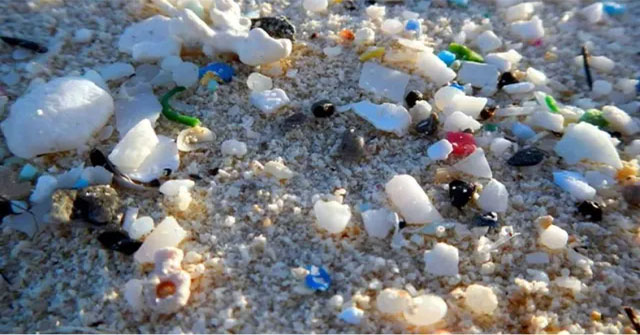
The number of microscopic plastics in the world's oceans is a million times larger than previously thought, according to a new study just published.
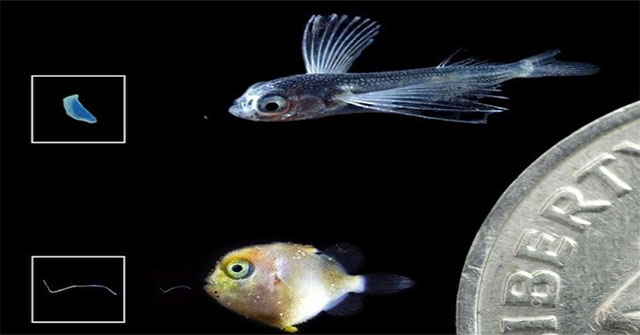
Tiny particles of plastic floating on the sea will be eaten by the fry. This can cause a reduction in the amount of fish on Earth, affecting the food chain of animals.
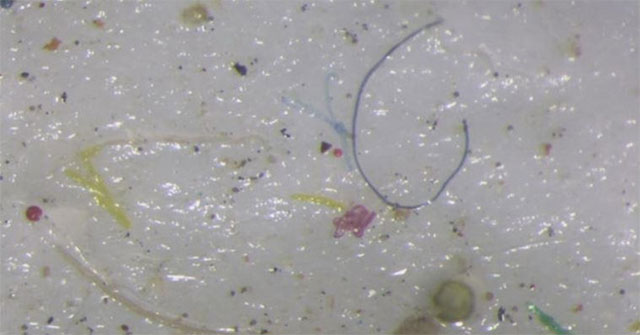
Tiny pieces of plastic have been found in ice cores drilled in the Arctic, indicating increasing pollution for marine life in even the most remote waters of the planet.
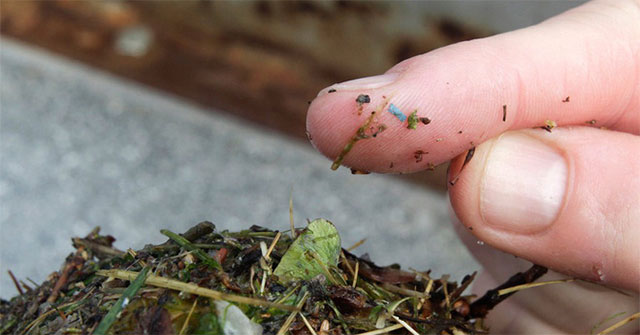
Fionn Ferreira received $ 50,000 in prize money from the Google Science Fair. A reward for the effort to save mankind!
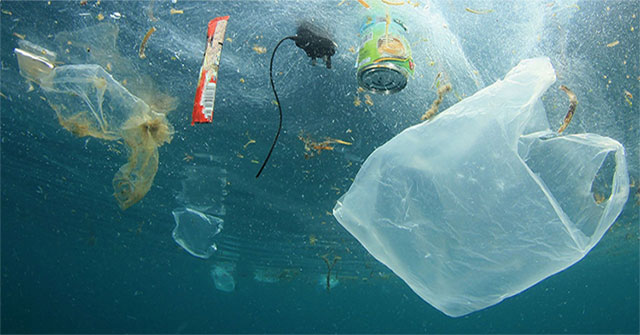
Scientists have recently discovered, in the uninhabited Pyrenees in southern France, rains brought microparticles from the sea, accumulating on clouds and falling into t…
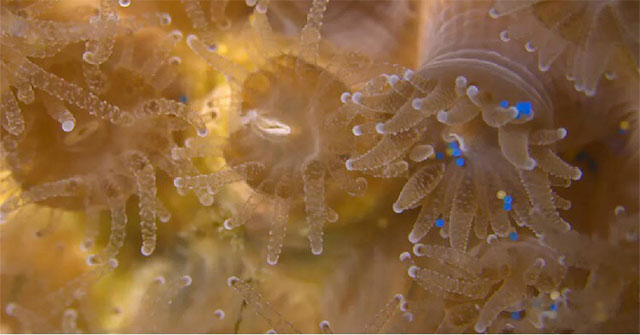
A single coral can absorb up to 100 micro-plastic fibers and is considered a favorite dish that is poisoning them.
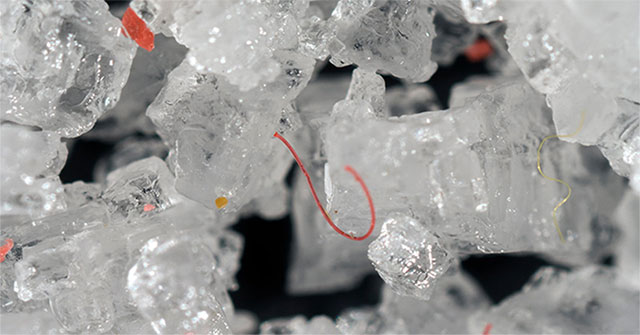
Each average person eats at least 50,000 micro-plastic particles a year and inhales a similar amount, according to a new study.
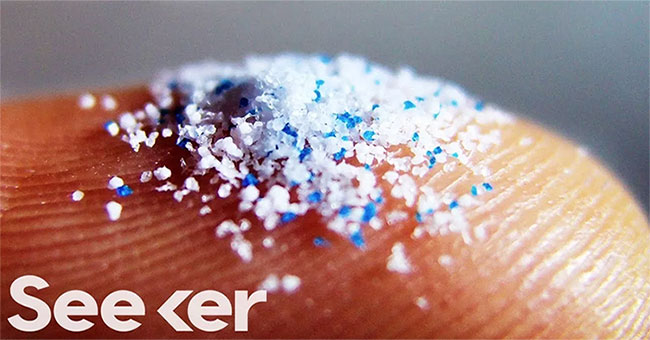
One of the key factors that infects micro-plastic into the food chain in areas where there has never been this agent before, is probably the mosquito itself.

The group of researchers at the Personal Care Products Council - an American industrial organization, analyzed salt samples from 21 European countries, North America, So…
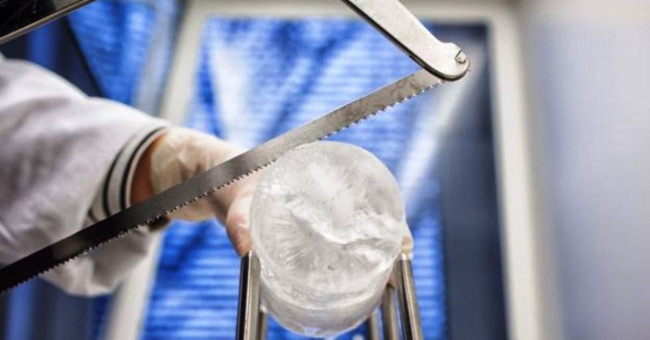
Ice cores concentrated throughout the Arctic Sea show that the micro-plastic concentrations are two to three times higher than the levels previously recorded.

Time Magazine on September 6 said that recent research by Orb Media, a global environmental organization, shows 83% of the world's water samples contain micro-plastic fi…

This is a particle with a diameter of less than 5 micrometers, broken down from larger pieces of plastic waste and it takes several hundred to several thousand years to…