Space science
830 million-year-old 'mummy' shows where Martian creatures hide
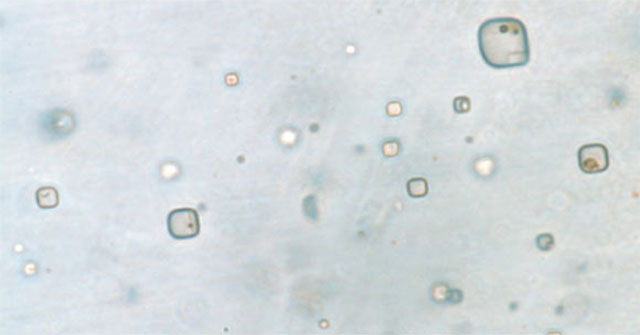
Perfect mummies of ancient microorganisms, which look like they died yesterday, have been revealed in halite crystals from the Protozoic Browne Formation of Central Aust…
Browse ScienceInfo articles and explainers related to Microorganism.
207 published items.
Perfect mummies of ancient microorganisms, which look like they died yesterday, have been revealed in halite crystals from the Protozoic Browne Formation of Central Aust…
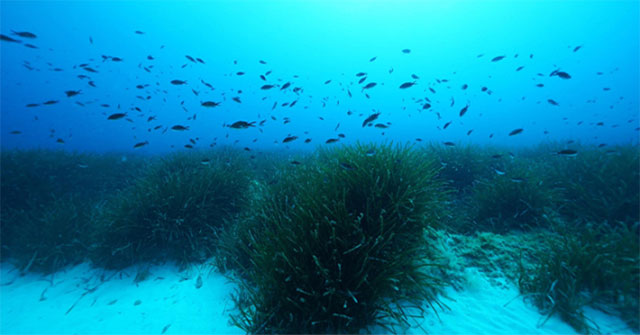
Scientists estimate that the world has 0.6 to 1.3 million tons of sugar in the land under seagrass, equivalent to the sugar in 32 billion cans of soft drinks.
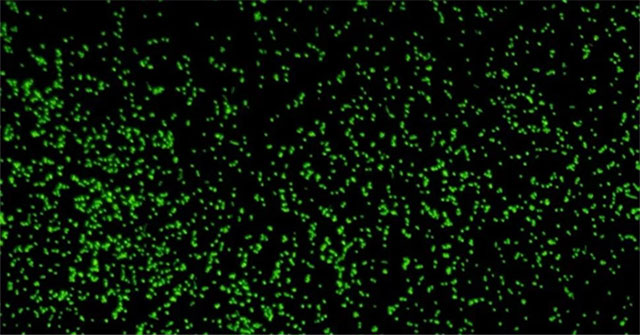
No one knew this single-celled organism could live so long. Despite the unimaginable living conditions, they still exist.

Research shows that this microorganism has the ability to photosynthesize and release carbon-rich substances that can
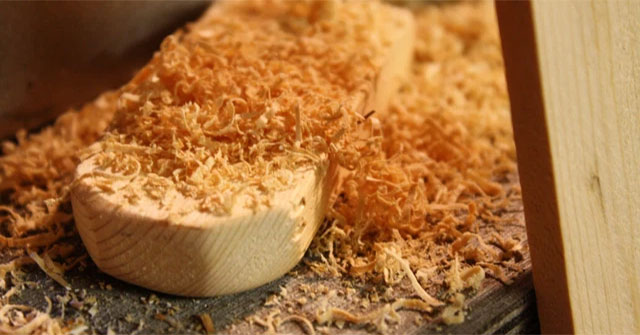
A new cleaner made of sawdust and water can remove up to 99% of disease-carrying microorganisms, including anthrax and some strains of the flu virus.
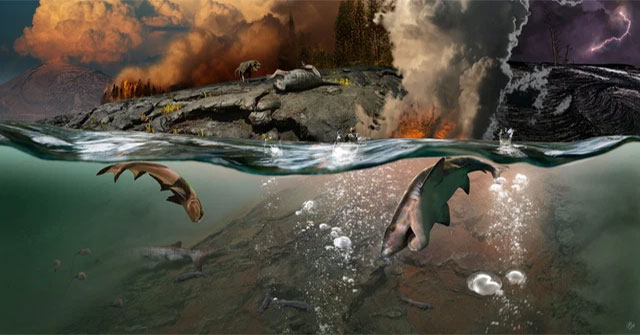
As it turns out, the deadliest extinction event on Earth in the past also had another feature - it was extremely 'smelly'.
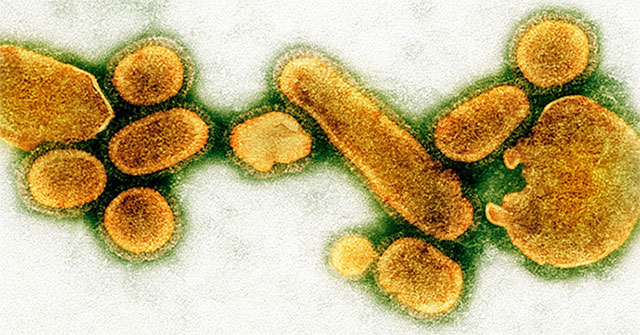
The disappearance of the virus will affect the evolutionary potential of all life on the planet, including humans. Without viruses, life and planets as we know them will…
Common fruit flies, also known as fruit flies, have the scientific name of Drosophila melanogaster.
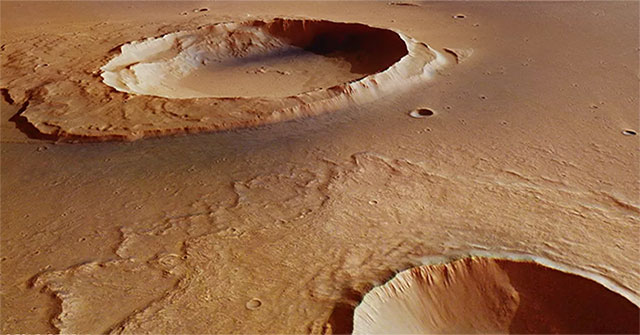
Russian scientists have developed a new way to find life on Mars and other celestial bodies in the Solar System.

Not only does it create a dreadful feeling, mold also contains a lot of risk of infection and it's really hard to kill.
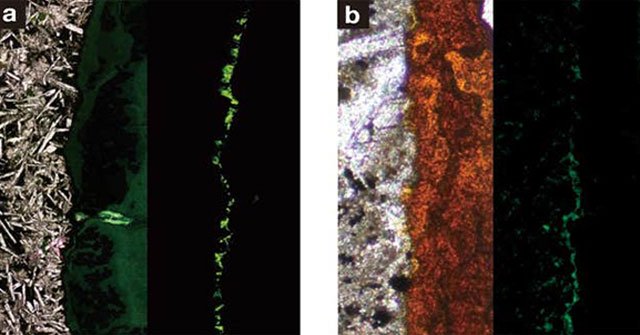
Microorganisms thrive in one of the harshest environments of the Earth, opening the hope of finding life on another planet.
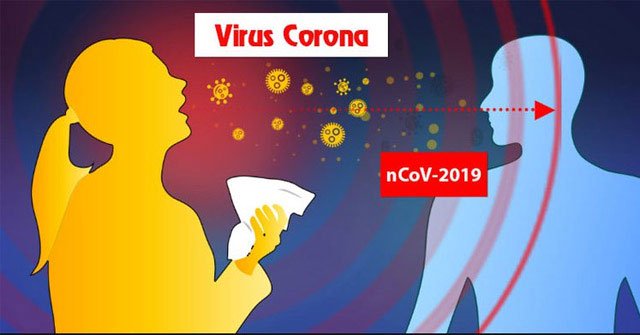
Cross-infection is the transmission of harmful microorganisms (usually bacteria and viruses) between people, from equipment to people or can occur inside the body.
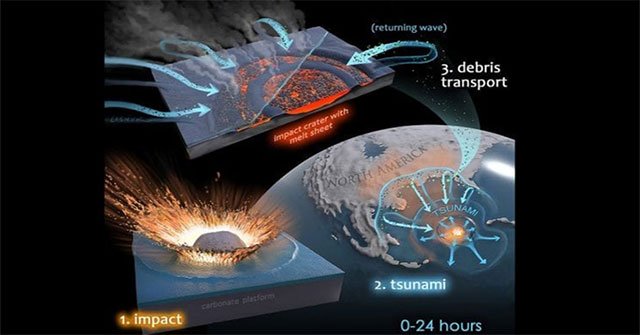
New research shows that death asteroids kill dinosaurs and 75% of species gave another life form a chance to explode, changing the face of the planet.
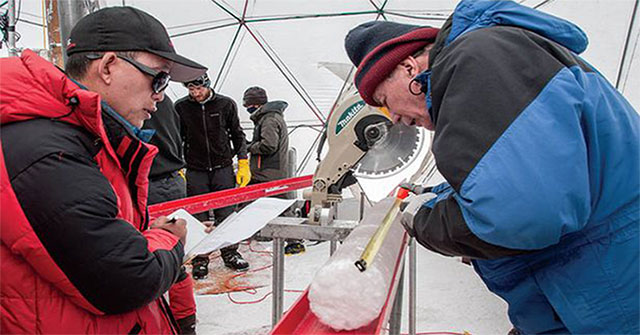
A team of US and Chinese scientists studied two ice cores from a glacier in the Tibetan Plateau and discovered 28 completely new virus samples.
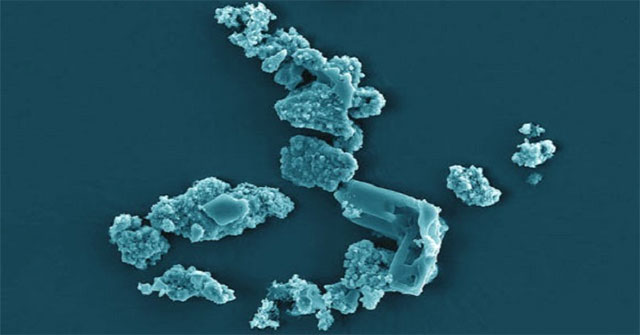
The metals in rock meteorites are the favorite food source of a microorganism named Metallosphaera sedula.