
Oceanography
Detect tremors in the deepest ocean
The researchers said they were shocked by the unprecedentedly high levels of microscopic plastic found on the ocean floor, with 1.9 million pieces in just 1m2.
Browse ScienceInfo articles and explainers related to Microscopic.
105 published items.
The researchers said they were shocked by the unprecedentedly high levels of microscopic plastic found on the ocean floor, with 1.9 million pieces in just 1m2.
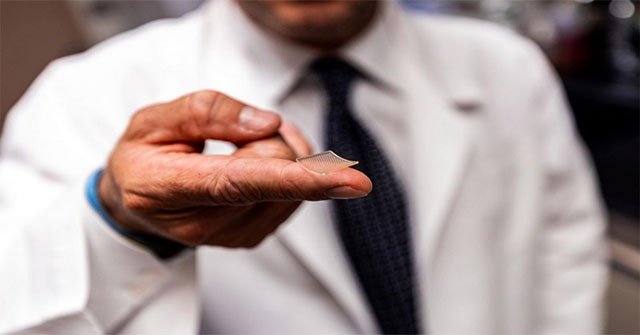
The researchers created a patch containing 400 microscopic needles that inject the prickly protein into the skin to create antibodies that kill the nCoV.
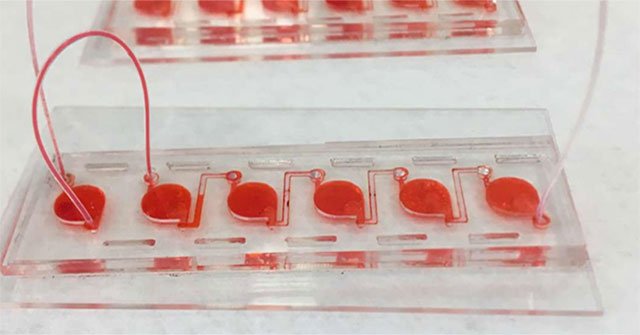
Researchers have created what is arguably the most sophisticated laboratory model in the world for the human body.

139 small planets, also known as microwaves, have been revealed in the dark region behind Neptune, which could be a clue to the ninth planet.

The alarming number of microscopic particles found in a lake on the top of Snowdon is a warning to environmental pollution.
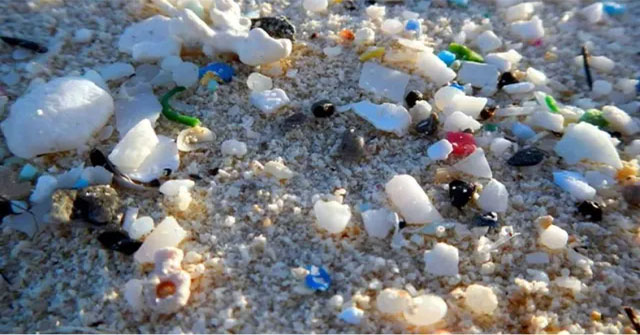
The number of microscopic plastics in the world's oceans is a million times larger than previously thought, according to a new study just published.

All the matter around you is made up of microscopic units called molecules.
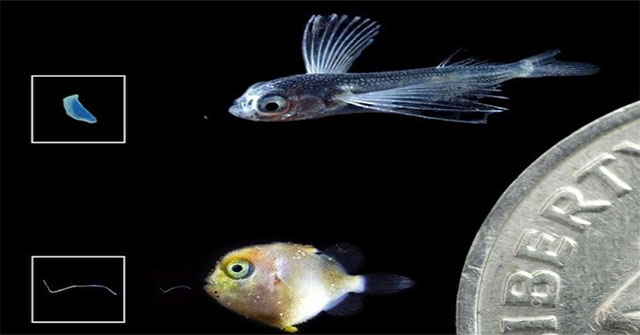
Tiny particles of plastic floating on the sea will be eaten by the fry. This can cause a reduction in the amount of fish on Earth, affecting the food chain of animals.

Cleaning clothes in a water-intensive washing cycle frees up more plastic particles from clothes than any other cycle, new research by UK scientists shows.

When drinking a cup of tea, the amount of plastic particles in the body 200,000 times the total amount of micro plastic a person consumes each year.
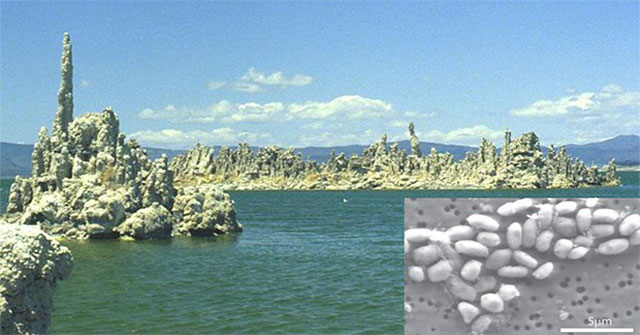
What creature has three genders? Too strange, right?
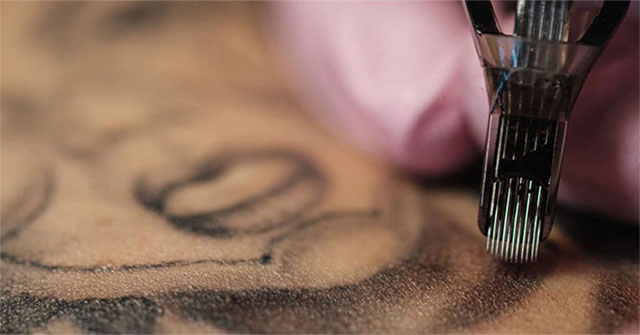
If you look at the lymph nodes of a person with lots of tattoos, you will notice a very strange thing is the existence of microscopic metal particles.
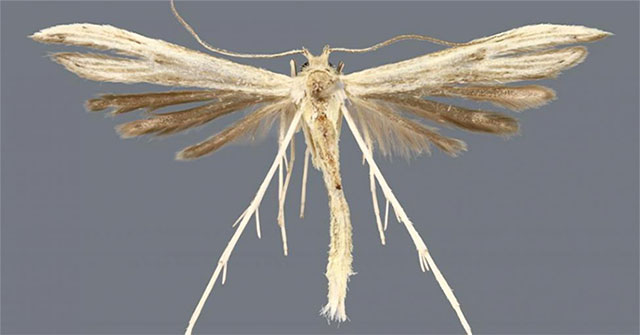
New creatures found in the Caribbean island belong to the group of small moths, which are about the same size as mosquitoes.
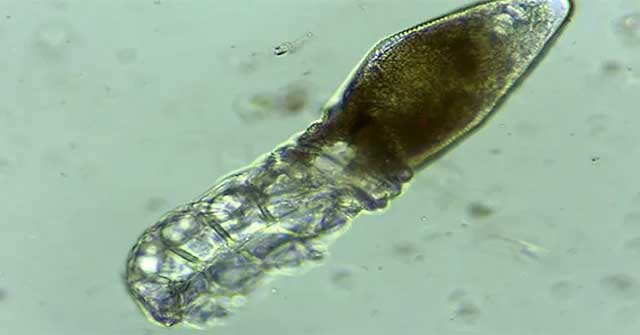
This parasitic creature is called 'tick face', resides in human facial hair follicles, eats sebum and oil produced to keep our faces from drying out.

A series of microscopic organisms that can be completely new to science are making scientists extremely excited.