
Space science
Publish a new detailed map of the Milky Way galaxy
For a period of 3 years, Nobeyama 45m telescope observes the galaxy Milky Way for 1100 hours to create this map.
Browse ScienceInfo articles and explainers related to Milky Way.
202 published items.
For a period of 3 years, Nobeyama 45m telescope observes the galaxy Milky Way for 1100 hours to create this map.
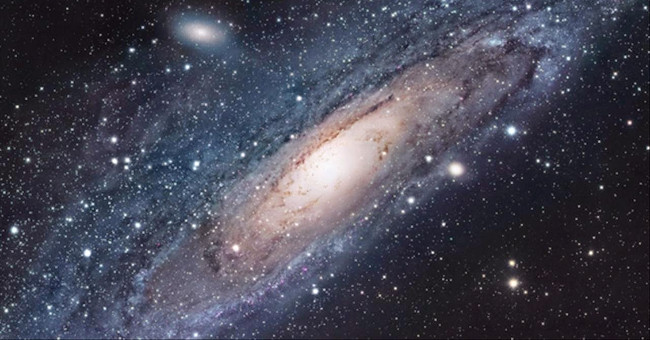
But you probably already know, the universe has a multitude of different galaxies, the Milky Way is just a part of it.
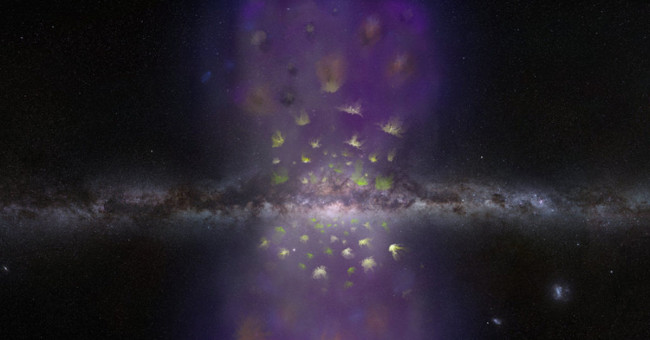
A massive migration of more than 100 gas clouds out of the center of the Milky Way and toward the outer space of the galaxy receives great attention from scientists.
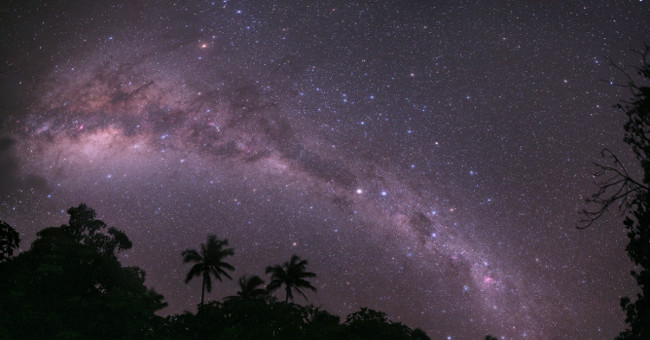
On beautiful evenings, look up at the starry sky and you will see a strip of light across the sky.
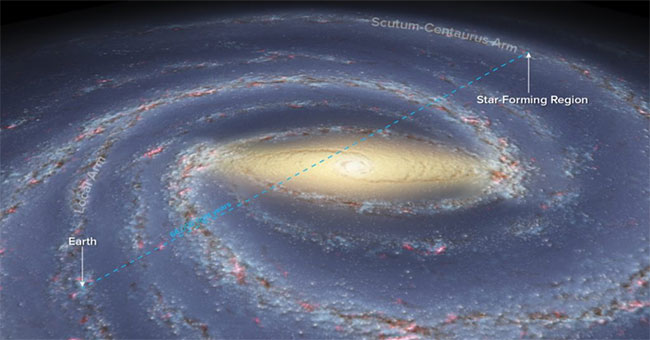
Scientists had a more precise idea to measure the distance to celestial bodies on the other side of the Milky Way than the Earth.
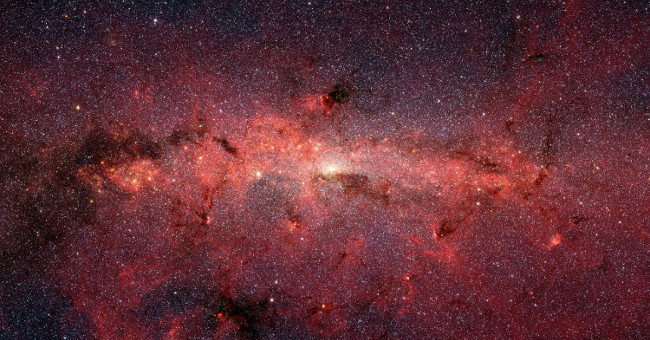
In this article, we will explore how the Milky Way and Galaxy, Galaxy and Galaxy are different. Please consult with us.
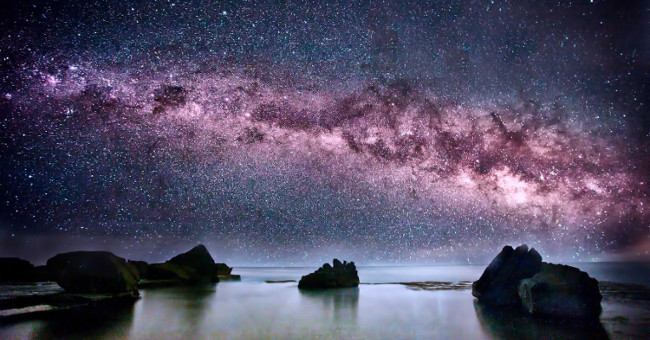
James Bullock, professor of physics and astronomy at the University of California, Irvine, USA, and colleagues conducted a theoretical study of the number of black holes…
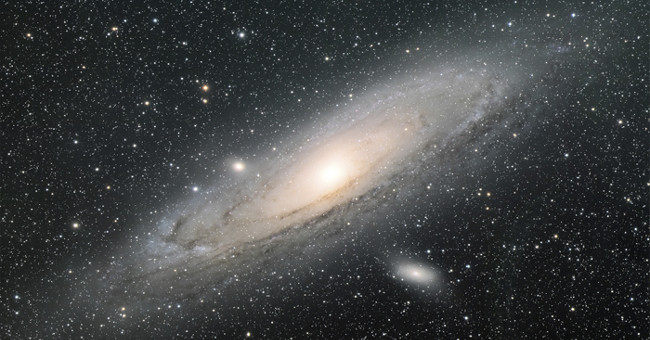
On July 16, Astronomical Journal reported that a group of astronomers discovered one of the brightest galaxies and thousands of light years away from other galaxies.
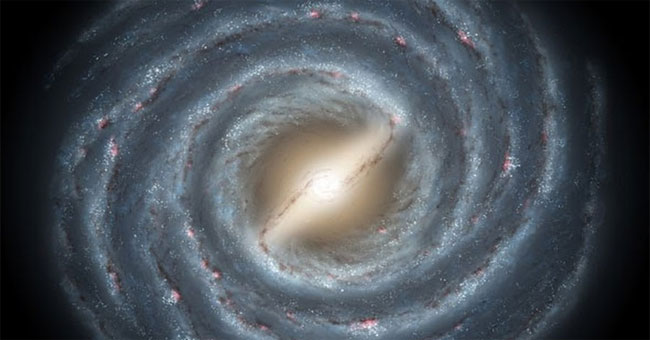
This phenomenon was discovered using data from NASA's Fermi Space Telescope and High Energy Stereoscopic System (HESS).
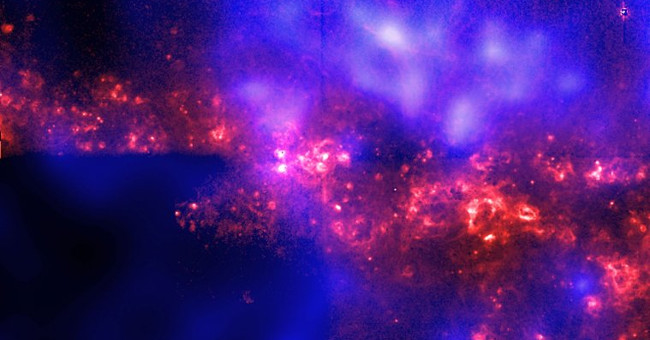
A mysterious space is pushing the Milky Way to move in the universe at more than 2 million km / h.
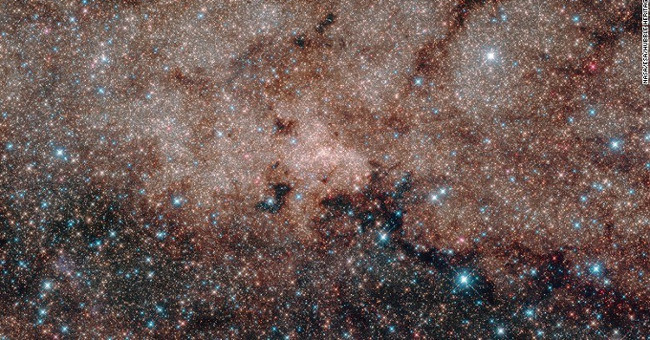
For the past 30 years, researchers have known that this galaxy is moving at a certain speed but they have not been able to find out why.

According to Canadian scientists, the Milky Way has a mass of about 400 to 580 billion solar masses.
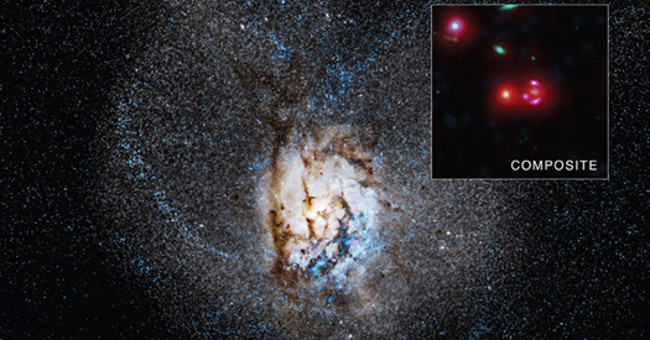
Galaxy SPT0346-52, located 12.7 billion light-years from Earth, produces new stars each year with a total volume of 4,500 times the Milky Way.
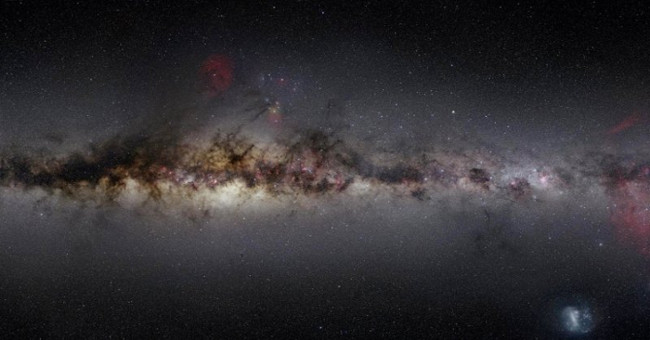
Modern astronomy allows us to have more detailed images of the sky than ever before. The ROSAT, Fermi and Planck telescopes have shown us the universe image through diff…
A strange group of stars has just been found in the center of the Milky Way, with unpredictable moves.