Space science
Monster black holes are 100,000 times bigger than the Sun.
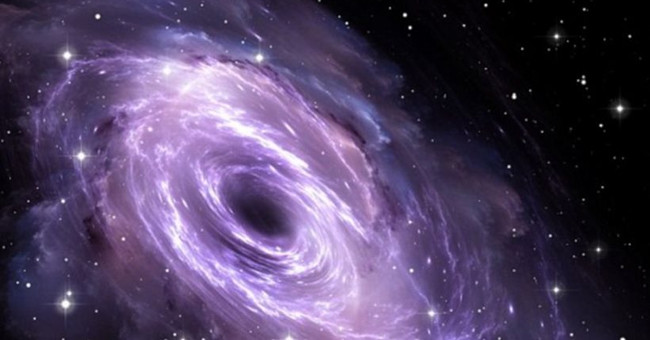
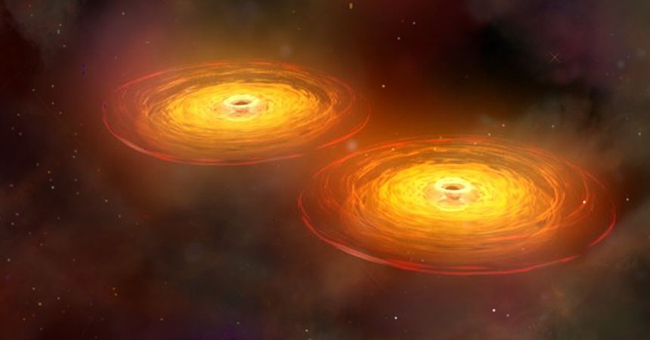
A group of Japanese astronomers found evidence of a supermassive black hole hidden in a hovering cloud of toxic gas near the center of the Milky Way, Guardian reported y…
Browse ScienceInfo articles and explainers related to Milky.
356 published items.
A group of Japanese astronomers found evidence of a supermassive black hole hidden in a hovering cloud of toxic gas near the center of the Milky Way, Guardian reported y…
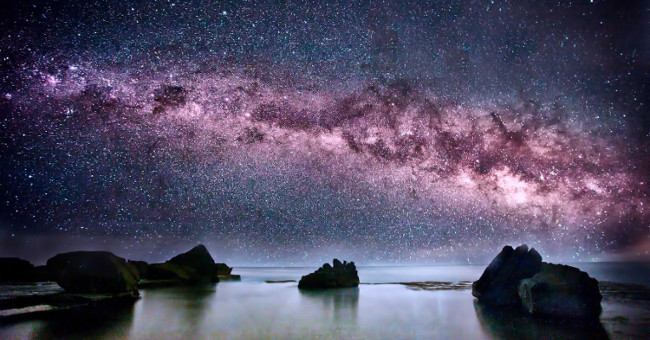
James Bullock, professor of physics and astronomy at the University of California, Irvine, USA, and colleagues conducted a theoretical study of the number of black holes…
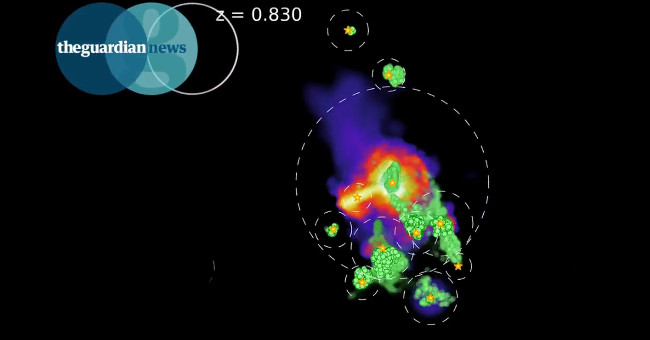
US scientists point to the possibility that half of the body's material is derived from supernova explosions in satellite galaxies smaller than the Milky Way galaxy.
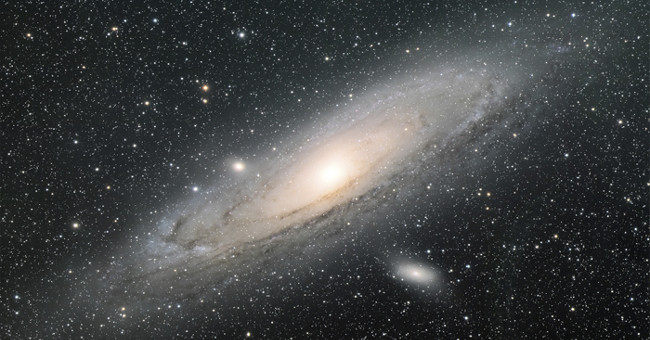
On July 16, Astronomical Journal reported that a group of astronomers discovered one of the brightest galaxies and thousands of light years away from other galaxies.
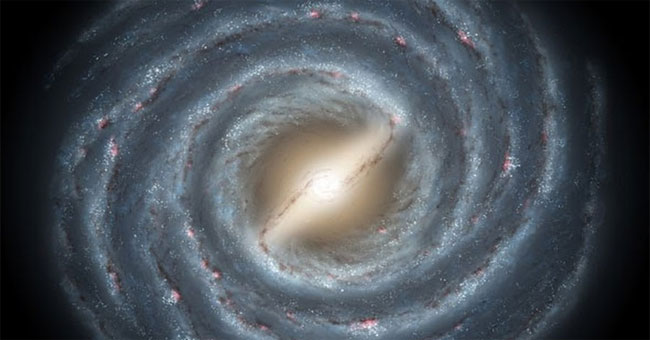
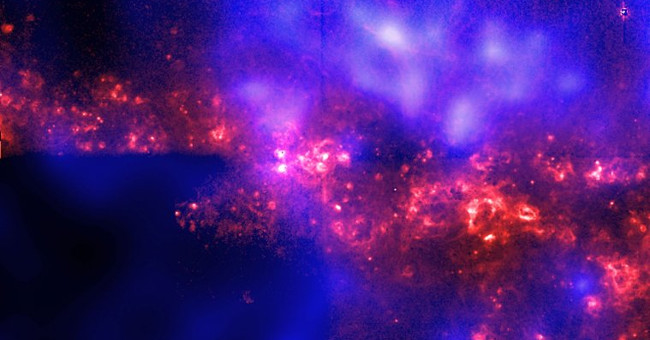
This phenomenon was discovered using data from NASA's Fermi Space Telescope and High Energy Stereoscopic System (HESS).
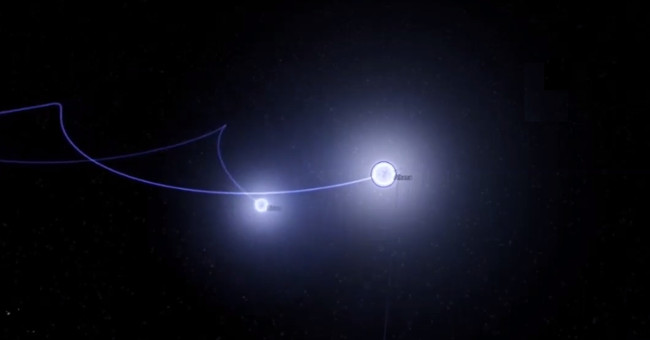
Supernova explosions are the culprits that cause super-high-flying stars to fly through galaxies.
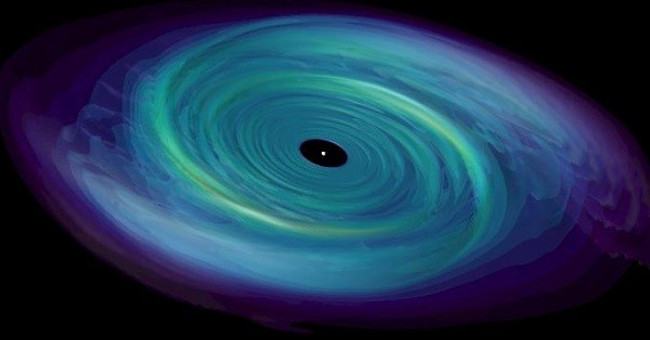
Exploring the universe is always the desire of people to learn about the world outside the earth. In that journey, people discovered important objects in the universe th…
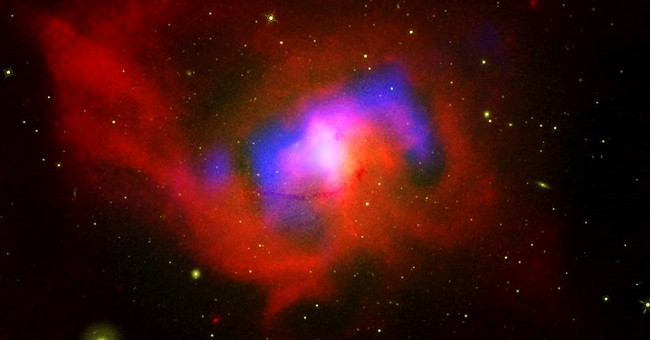
The new information shows that a giant black hole can push matter into the subject Milky Way, a phenomenon that many people associate with a beating heart pumping blood…
A mysterious space is pushing the Milky Way to move in the universe at more than 2 million km / h.
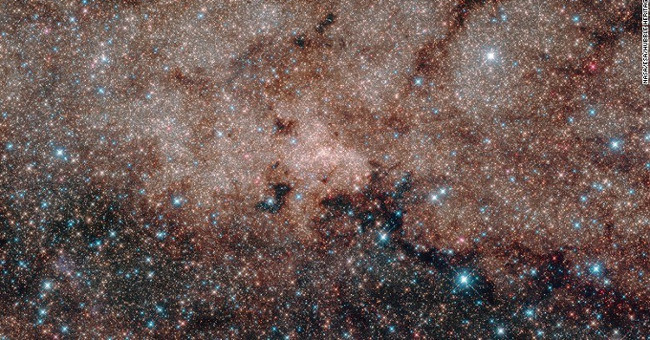
For the past 30 years, researchers have known that this galaxy is moving at a certain speed but they have not been able to find out why.

According to Canadian scientists, the Milky Way has a mass of about 400 to 580 billion solar masses.
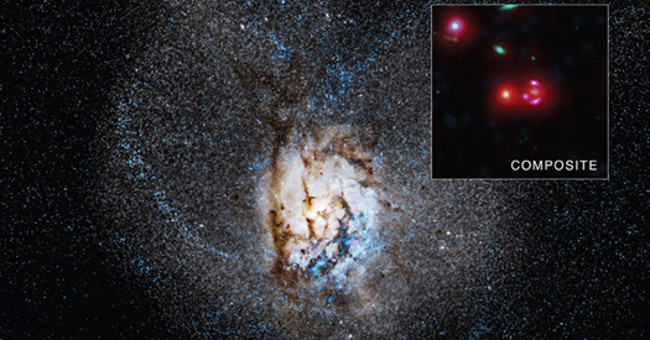
Galaxy SPT0346-52, located 12.7 billion light-years from Earth, produces new stars each year with a total volume of 4,500 times the Milky Way.
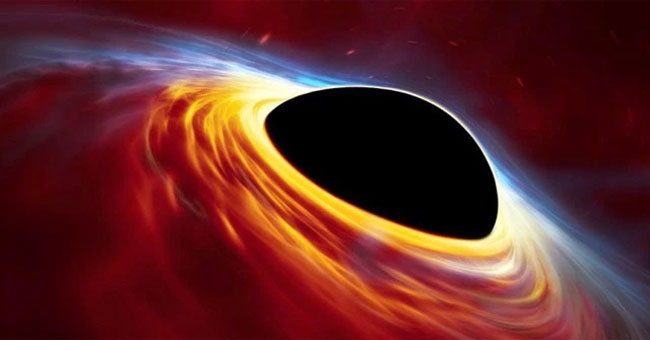
The supernova is 20 times brighter than the brightness of the entire Milky Way, which is essentially the corpse of a star so close to the super black hole and torn apart.

It is unclear what phenomenon outside the Milky Way emits this powerful beam.