Space science
Discovered three newly formed planets in our galaxy
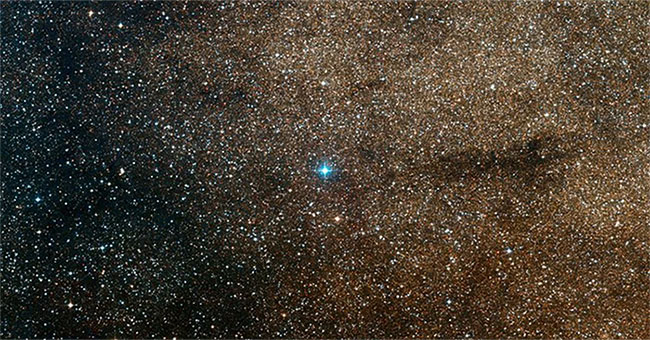
These three young planets orbiting a star called HD 163296, are about 330 million light-years away in the constellation Sagittarius.
Browse ScienceInfo articles and explainers related to Milky.
356 published items.
These three young planets orbiting a star called HD 163296, are about 330 million light-years away in the constellation Sagittarius.
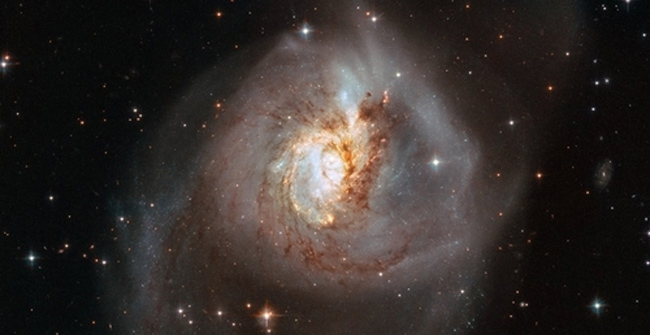
Galaxy NGC 3256 has a distorted shape due to the formation of a collision between two spiral galaxies.
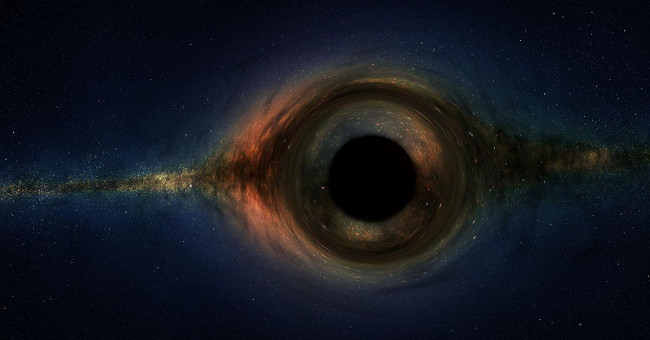
Typically, a supermassive black hole will exist at the core of a giant galaxy.
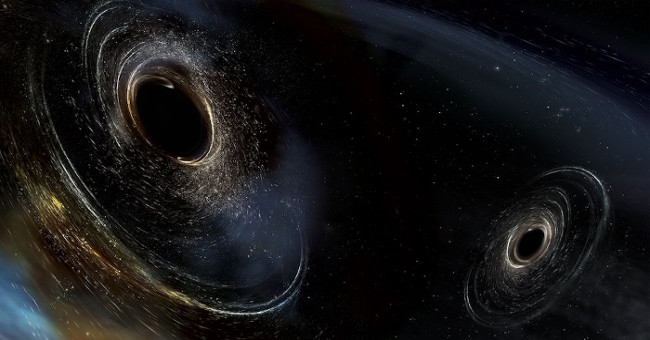
Scientists at the University of Colombia, USA discovered 12 black holes in the center of the Milky Way, or the Milky Way, AFP reported yesterday.

The new research shows that the Milky Way is expanding with new stars being born, Space reported on April 4.

For a period of 3 years, Nobeyama 45m telescope observes the galaxy Milky Way for 1100 hours to create this map.
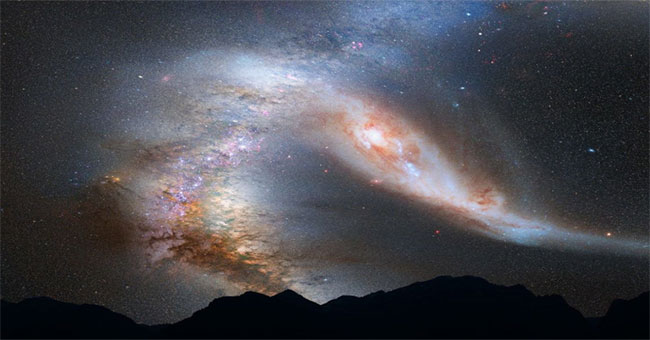
The nearest galaxy is a Fairy that is about the same size as our Milky Way, not two or three times larger than imagined.
But you probably already know, the universe has a multitude of different galaxies, the Milky Way is just a part of it.
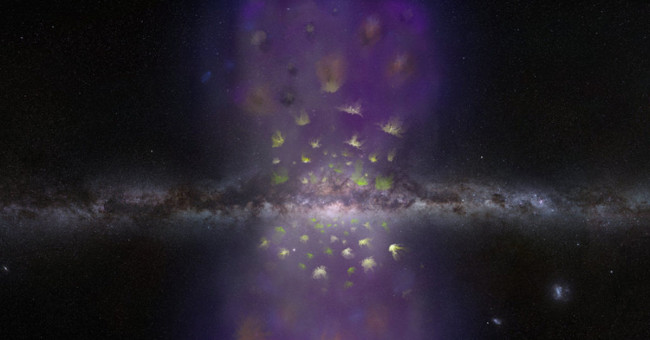
A massive migration of more than 100 gas clouds out of the center of the Milky Way and toward the outer space of the galaxy receives great attention from scientists.
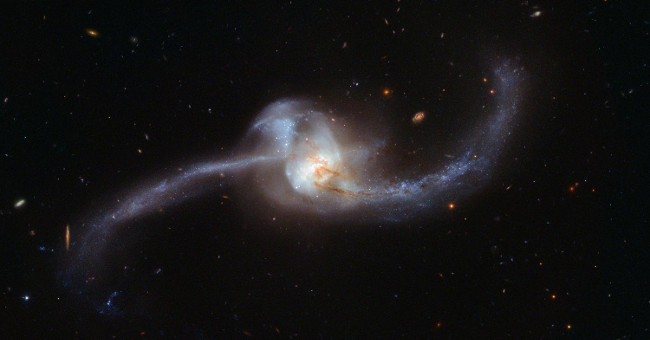
The spiral-shaped NGC 2623 galaxy helps scientists understand more about the Milky Way collision in about 4 billion years.
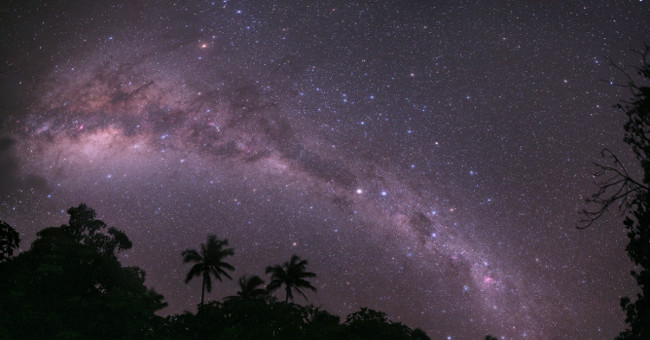
On beautiful evenings, look up at the starry sky and you will see a strip of light across the sky.
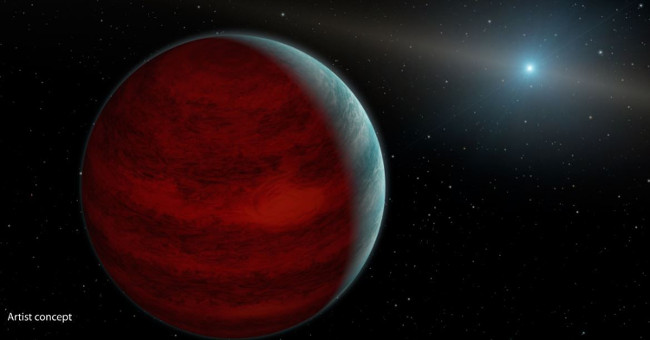
Scientists discovered the new planet is 13 times the size of Jupiter, the largest planet in the solar system, in the center of the Milky Way, according to Yahoo News.
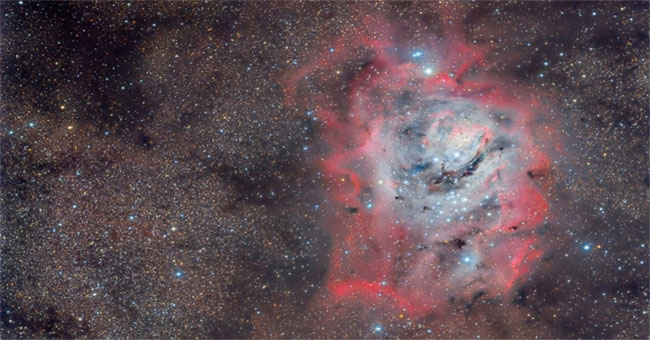
The universe is expanding 10% faster than previously anticipated, questioning whether Albert Einstein's relativity theory is accurate or not?
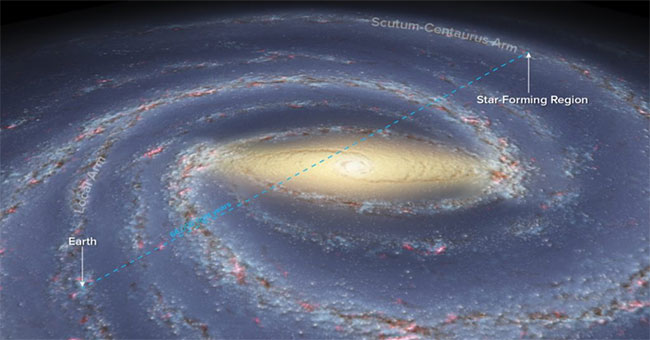
Scientists had a more precise idea to measure the distance to celestial bodies on the other side of the Milky Way than the Earth.
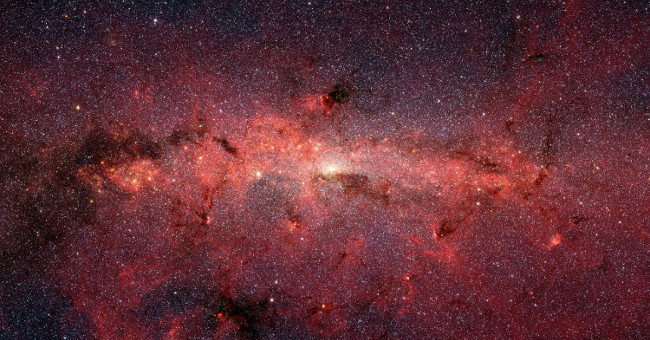
In this article, we will explore how the Milky Way and Galaxy, Galaxy and Galaxy are different. Please consult with us.