
Space science
Intergalactic collisions
Through the analysis of new images taken deep into the universe by the most modern methods, Yale Professor Professor Pieter van Dokkum of Yale University (USA) has disco…
Browse ScienceInfo articles and explainers related to Modern.
843 published items.
Through the analysis of new images taken deep into the universe by the most modern methods, Yale Professor Professor Pieter van Dokkum of Yale University (USA) has disco…

Currently, general theory of relativity is considered to be the perfect description of the most attractive force of modern physics.
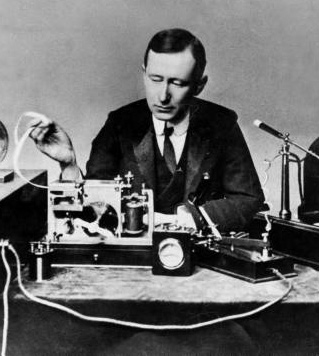
At the present time, fax machines still exist in a stable way in public offices in front of the strong development of Internet and e-mail.
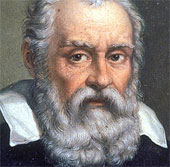
On December 28, 1612, Galileo observed a new planet in our solar system with a telescope.
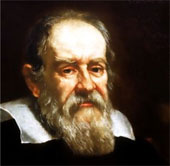
Notable scientific events take place on January 8 in history.

This new technique could allow scientists to combine the genetic diversity of wild plants with genetic qualities determined by breeding generations.
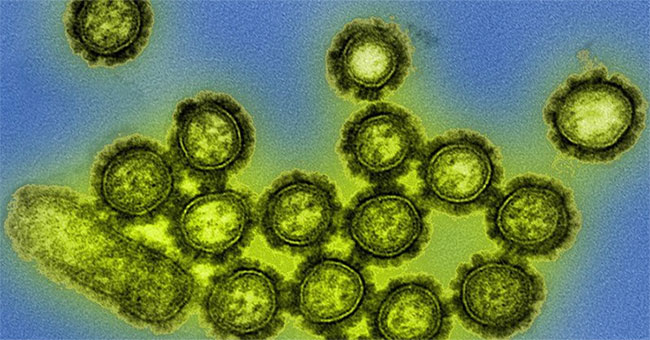
It is unclear if you notice, but it seems that more and more dangerous viruses appear, with increasing frequency.
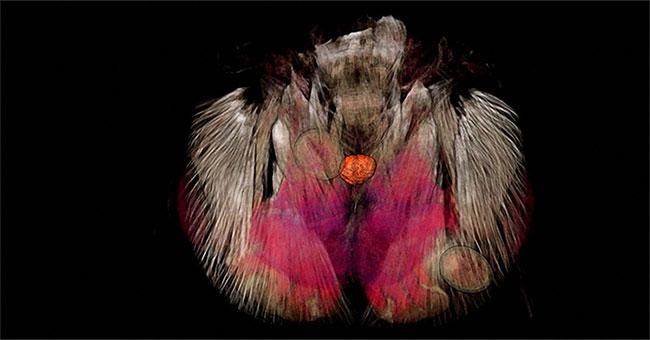
Scientists using modern technology to observe inside the control of the liver-lancet ants, Popular Mechanics reported on June 10.
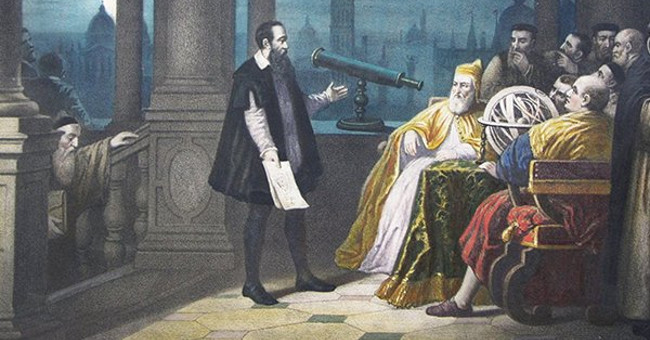
Galileo Galilei (1564-1642) was an Italian astronomer, physicist, mathematician and philosopher, who played an important role in the scientific revolution.
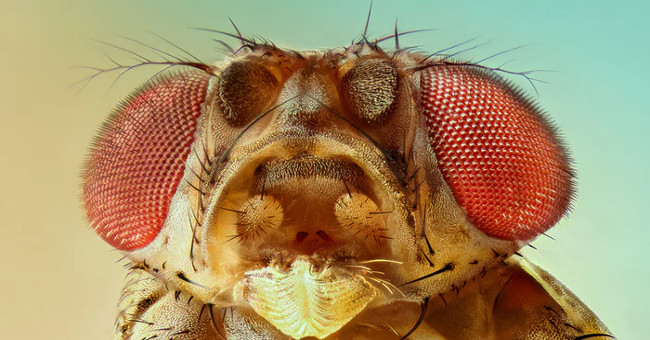
Owning DNA similar to humans, fruit flies were selected as experimental subjects in many Nobel-winning scientific studies.
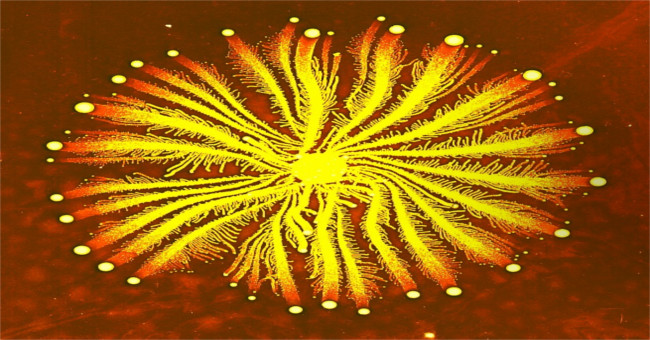
The ancient bacterium Paenibacillus was discovered in the cave Lechuguilla, New Mexico, USA with resistance to 70% of modern antibiotics.
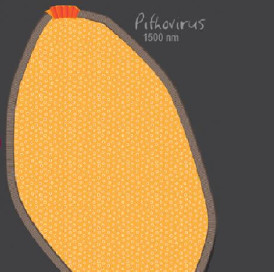
The virus is a living creature, and in the old days it also has cells like bacteria, fungi, plants and even animals today. That was the surprising conclusion of scientis…

In the era of modern genetic technology, police can often identify a suspect through a small hair or blood droplet collected at the scene. However, their techniques may…
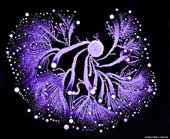
According to the latest scientific news in Live Science, in today's modern life, humans have used bacteria to create artistic masterpieces.

Modern moths eat at higher temperatures in response to climate change.