Discover science
Big brains don't mean smarter
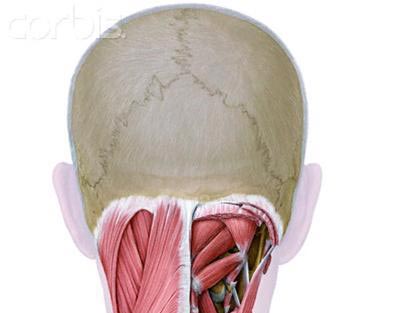
A new study conducted by British scientists based on the evolutionary roots of the brain has suggested that a big brain doesn't make you smarter.
Browse ScienceInfo articles and explainers related to Molecular.
208 published items.
A new study conducted by British scientists based on the evolutionary roots of the brain has suggested that a big brain doesn't make you smarter.
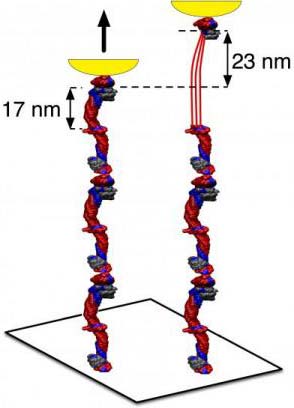
How do blood clots maintain the correct balance of stiffness to heal wounds and flexibility to move in the blood stream? Scientists at the University of Pennsylvania Sch…

New research results show that the inner hardware of the Earth's core continues to swim eastward in the outer liquid of the core.

Scientists from the Florida Institute of Technology found a new six-bearing shark in the waters off Belize, the Atlantic Ocean, and the IFL Science on February 23.

Research done at the Institute of Molecular, Cell Biology and National University of Singapore has shown how well this pufferfish can live despite the amount of dangerou…

When the entire human genome was sequenced for the first time 13 years ago, scientists were stunned to discover that our DNA was so different from its relatives - monkey…

The penguin has appeared 20 million years ago and has become diverse due to a reduced global temperature, opening the possibility of residence in Antarctica.

Scientists working at the Applied Molecular Evolution Fund based in Gainesville, Florida (USA) have tracked the evolution of the enzyme molecule of people with the funct…

Biologists at the University of California have reported new evidence of evolutionary changes found in today's fossil and genome data.

The new study suggests that birds today date back to 100 million years ago - a long time before dinosaurs became extinct.
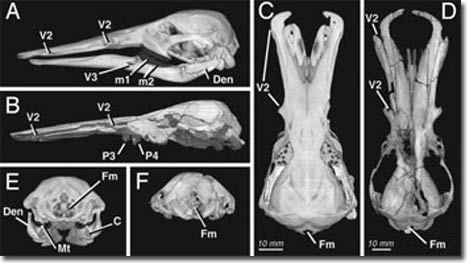
According to a new fossil research project, Australia's platypus may have appeared longer than people thought. The origin of this species may stem from the period of din…
Molecular muscle experiments on worms will help scientists better understand the astronaut's loss of muscle in space.

For a period of 3 years, Nobeyama 45m telescope observes the galaxy Milky Way for 1100 hours to create this map.
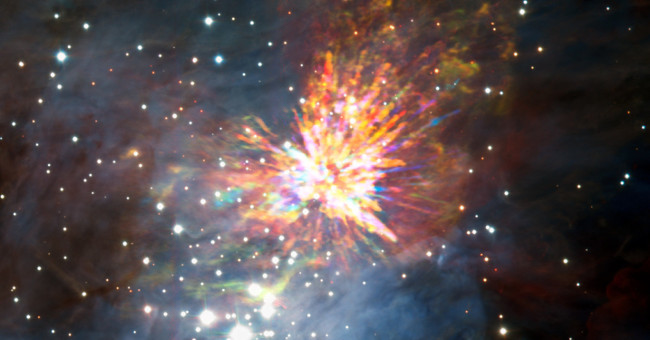
Astronomers of the ALMA Observatory, Chile, recorded brilliant moments like fireworks when the two stars collided 500 years ago, creating a giant explosion.