
Space science
Philae detected the signs of life on comets
The initial data analysis showed that Philae had discovered traces of organic molecules containing carbon atoms, which are the basic element of life on Earth.
Browse ScienceInfo articles and explainers related to Molecular.
208 published items.
The initial data analysis showed that Philae had discovered traces of organic molecules containing carbon atoms, which are the basic element of life on Earth.
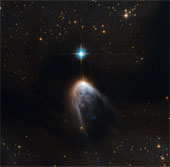
The Hubble Space Telescope captures stunning images of the birth of a distant star.

Scientists have long wondered how atoms can work together to form the molecular components of three major living organisms, ribonucleic acid (RNA), deoxyribonucleic acid…
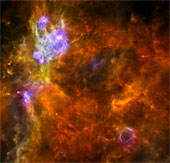
Newly born stars can grow up to 10-100 times the weight of the sun, if they are created in 'star nurseries' surrounded by many older stars.
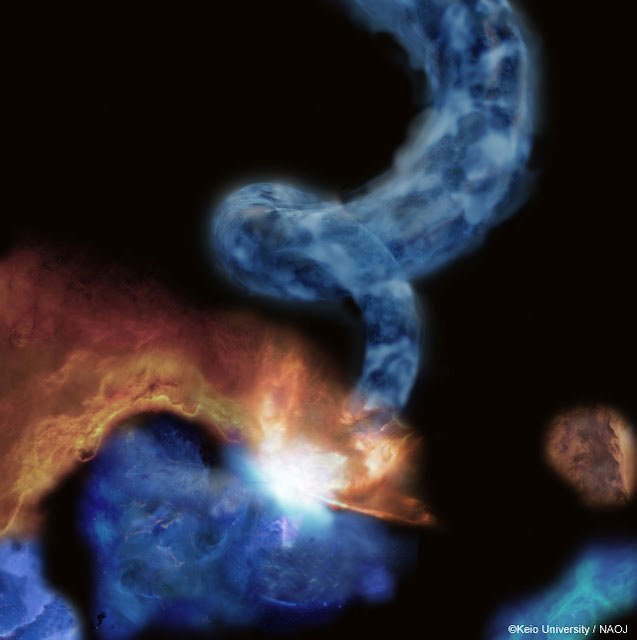
The group of Japanese scientists at Keio University and the National Astronomical Observatory on September 4 published a photo of gas clouds forming very beautiful swirl…
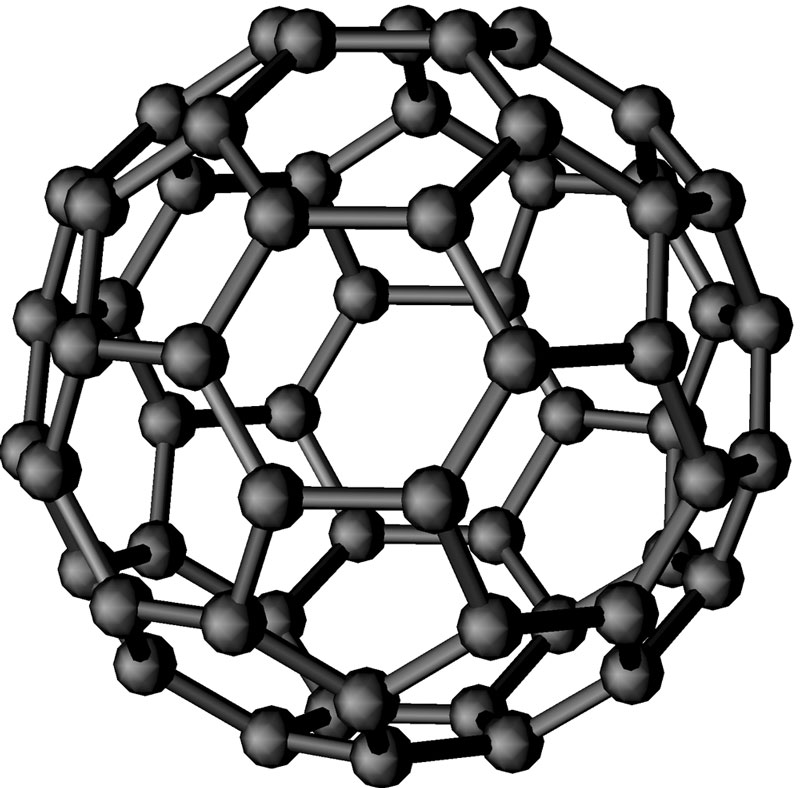
Thanks to NASA's Spitzer telescope, astronomers have discovered in space space fullerenes or solid-state carbon atoms that were previously found only in gases.
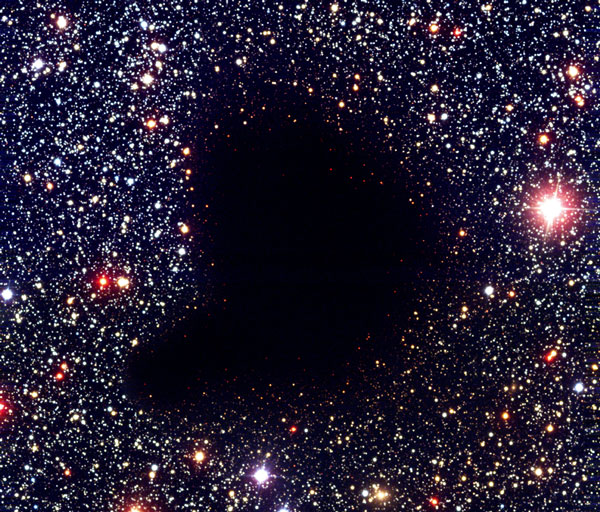
This giant black hole is a physical cloud - known as a dark molecular cloud - preventing all light from passing through it. Here, the high concentration of dust and mole…

Astronomers have discovered evidence that brown stars have the same process of formation as normal stars.
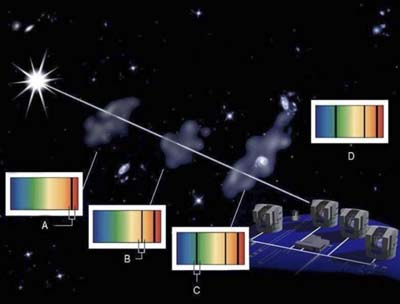
Astronomers using the giant telescope the Very Large Telescope (VLT) of Eso have for the first time discovered in carbon monoxide molecular ultraviolet radiation in a ga…
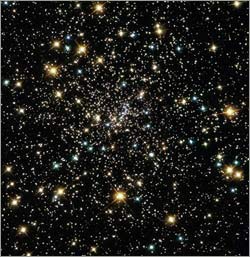
The Swedish Space Company has said scientists have made a breakthrough in understanding how stars form when detecting molecular oxygen in interstellar space.
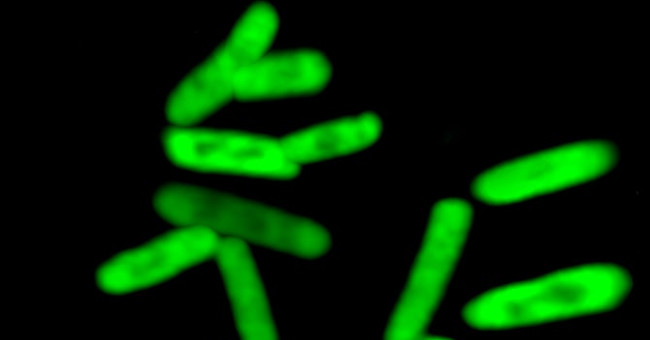
These bases - denoted by 4 letters G, C, A and T - are present in DNA molecules and used by every living organism to guide protein synthesis.

Scientists have sequenced the chili genome and discovered genes that make peppers spicy.
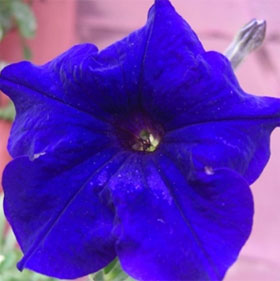
A study that completely sheds light on this flaw, helps solve the mystery that has lasted for decades about the exotic green color of the flower.
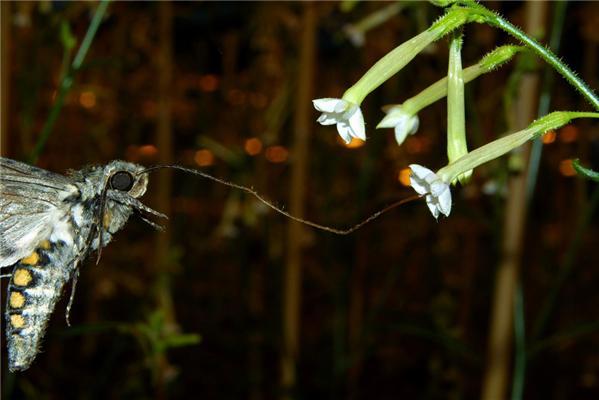
Insects have a very keen sense of smell. With extremely low odor molecules in the air, it is enough for them to be identified by neurons on the antennas.
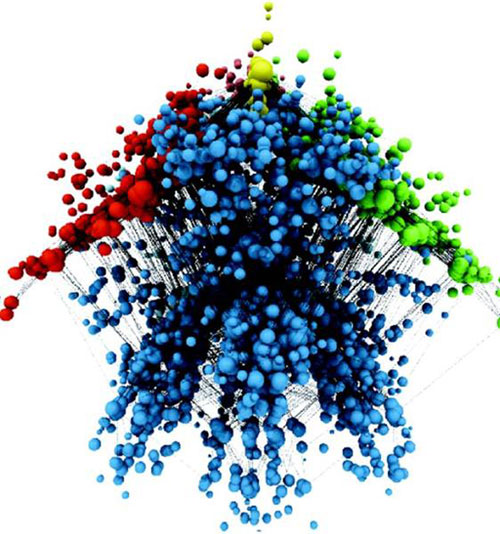
Water (H2O) is a liquid that has nothing to discuss. But when studying at the molecular scale ...