Biology
Sugar-coated antibiotics
Researchers at the John Innes Center and the University of East Anglia have recently explained the structure and function of an enzyme involved in attaching sugars to an…
Browse ScienceInfo articles and explainers related to Molecule.
513 published items.
Researchers at the John Innes Center and the University of East Anglia have recently explained the structure and function of an enzyme involved in attaching sugars to an…
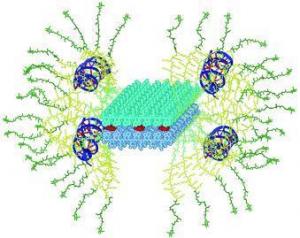
Viruses are real professionals who implant genetic material into infected cells. This feature is currently exploited in gene therapy.
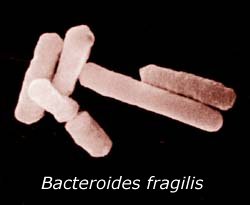
The beneficial bacteria in our gut bring many benefits. They both reduce the number of harmful organisms and release molecules that reduce inflammation and prevent colit…

Tiny molecules called nanobacteria have confounded scientists in many ways since people discovered it 20 years ago, but the most controversial question it poses is wheth…

Using a combination of low-temperature measurement technology and theoretical calculations, scientists at Jerusalem Jewish University and colleagues pioneered in finding…
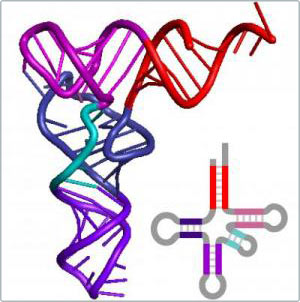
Transfer RNA is a long-standing molecule and is the center of every function a cell performs and is therefore essential for all life. A new study from the University of…
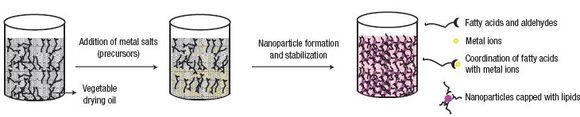
Hygienic germicidal sprays can be harmful to the environment and even beneficial bacteria. Toxic solvents can be guaranteed to eradicate bacteria but now there is a new…

The process of transporting in our body's cells is like the process of transporting goods on the roads. Molecular engines, which are special protein molecules, act as ca…
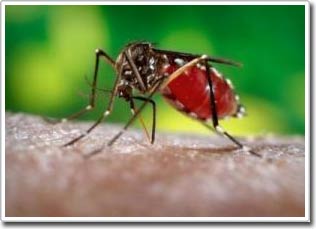
Being bitten by mosquitoes always makes us feel sharp, especially when the mosquito carries malaria, yellow fever, dengue or West Nile virus. But if researchers at Arizo…
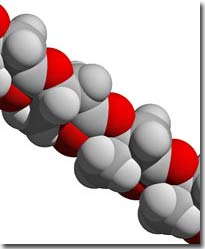
A new type of plastic that decomposes by bacteria has a faster decomposition rate than current plastics and is environmentally safe. This new material is a modified form…

For years, scientists have wondered how the leaves prepared for a sprawling performance in autumn. The molecules behind yellow and orange are well understood, but s

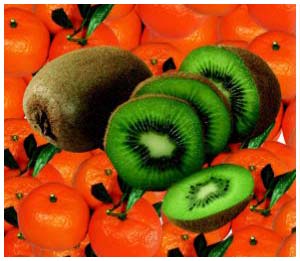
Perhaps Vitamin C is the most important small molecule whose biological synthesis pathway remains a mystery to scientists to this day. However, a team of Dartmouth and U…
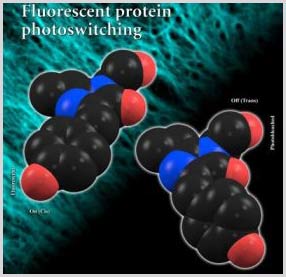
University of Oregon scientists have identified the molecular characteristics that make green fluorescent proteins capable of glowing and by adding a single molecule.

A catalyst capable of breaking chemical bonds in CO2 molecules will allow us to use carbon in the air as fuel in the same way as plants. Plants use solar energy to separ…