Biology
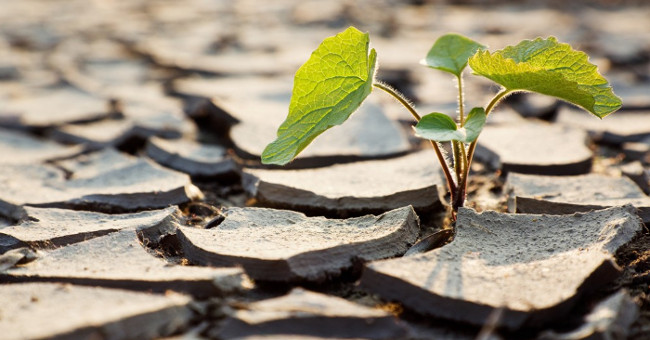
Plants also know how to
Scientists say plants have evolved to forget the past of suffering when necessary. And this process is really impressive.
Browse ScienceInfo articles and explainers related to Molecule.
513 published items.
Scientists say plants have evolved to forget the past of suffering when necessary. And this process is really impressive.

Titan arum has been dubbed the world's most sniffling flower, because it produces chemicals that smell rotting corpses.
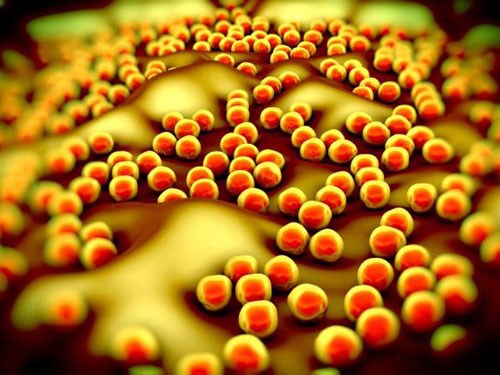
Experts from the University of Queensland (Australia) have found a group of synthetic sugars that can bind and destroy bacterial cell walls, opening up the ability to cr…
Plants do not get sunburn because they secrete substances that act as sunscreens, helping to protect them from harmful sun rays.
Among the most bizarre creatures in the world there is a bacterium that transforms yellow water into tiny gold ingots. Chemists always think hard about why Delftia acido…
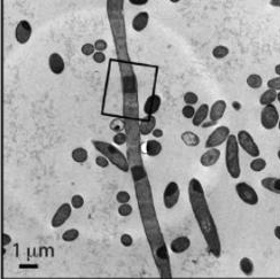
An approach to understanding the components of living organisms is to try to create them, using the principles of chemistry, engineering and genetics.
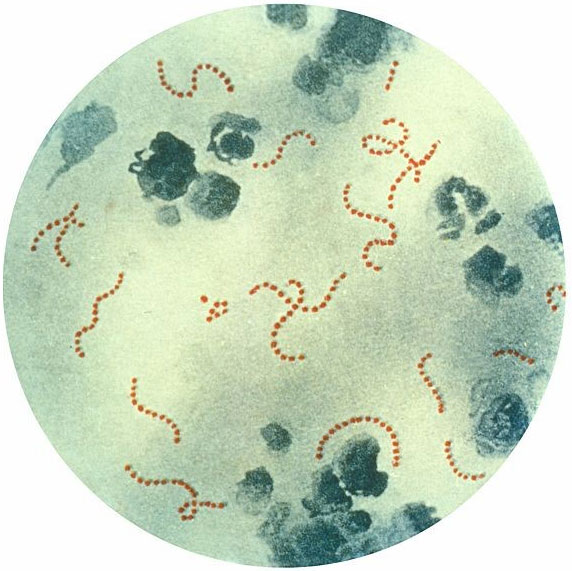
Meat-eating bacteria can create a super glue used to connect molecules, according to a new study by Oxford University (UK).
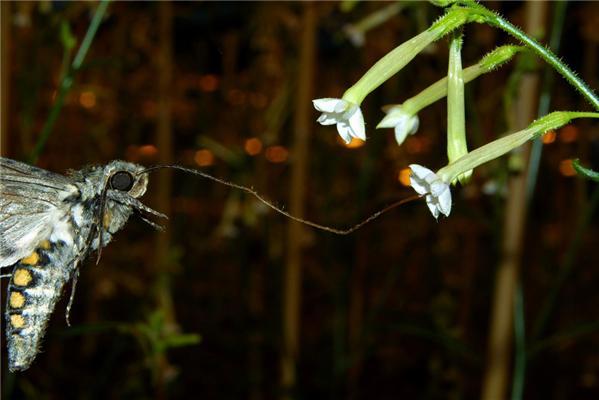
Insects have a very keen sense of smell. With extremely low odor molecules in the air, it is enough for them to be identified by neurons on the antennas.
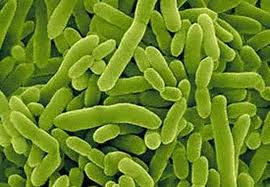
A new bacterium called Pseudomonas putida CBB5, using caffeine as a food source was discovered in a study at the University of Iowa (USA). New bacteria use an enzyme to…
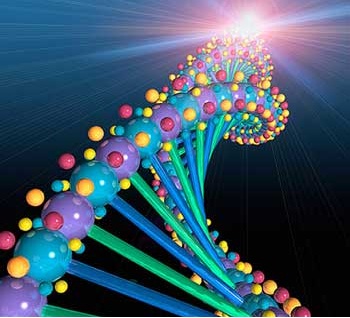
In fact, for every group of more than 3,000 people, there will be at least one part of their individual genome arranged in a sequence, so learning about individual genom…
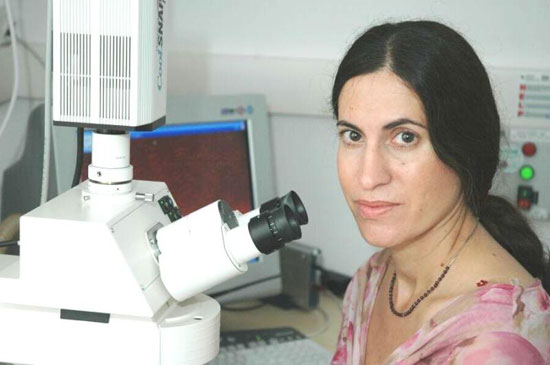
Researchers at the Hebrew University in Jerusalem, Israel, have discovered a way in which bacteria can communicate with each other through nanotubes.

A bacterium never seen before was discovered in the wreck of the Titanic deep in the ocean.
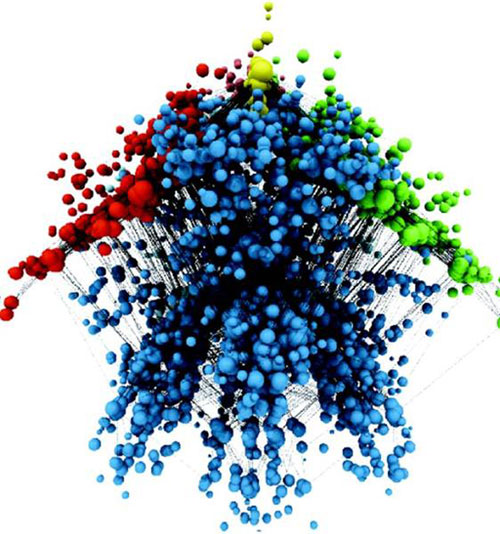
Water (H2O) is a liquid that has nothing to discuss. But when studying at the molecular scale ...

During the experiment, Japanese scientists discovered mechanisms to inhibit food allergies in animal bodies.
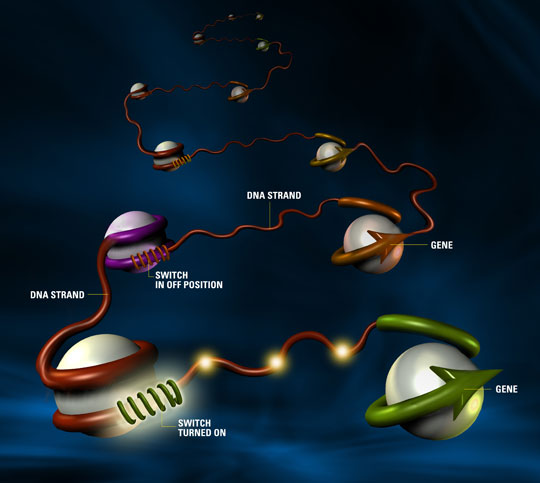
Scientists have not yet grasped the number of genes needed to make humans, but only more human genes than chicken genes but less than tiny grapes.