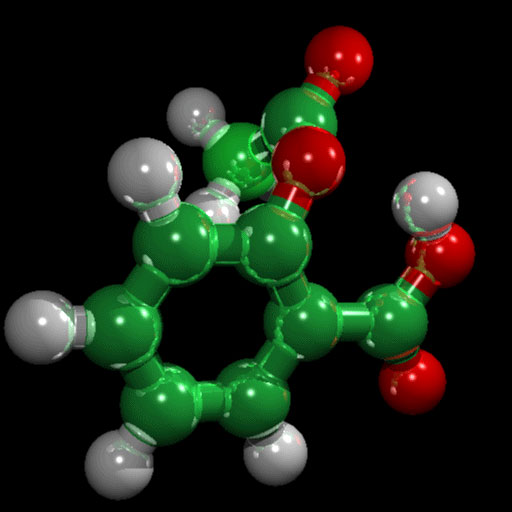
New technology
Chemical reaction to create more flexible material
Scientists working at the University of Edinburgh, UK and the University of Jyväskylä, Finland, can impact molecules at the nanoscale level during chemical reactions to…
Browse ScienceInfo articles and explainers related to Molecule.
513 published items.
Scientists working at the University of Edinburgh, UK and the University of Jyväskylä, Finland, can impact molecules at the nanoscale level during chemical reactions to…

A team of Dutch scientists has created a super-small, four-wheeled nanoparticle, according to a study published today in the journal Nature.

A team of UK experts is working on a project to make electronic dogs capable of detecting victims buried in earthworms or other causes.

Tufts University researchers have announced they have succeeded in making the engine, to date, the smallest in the world, according to a report in the journal Nature Nan…

A new US study finds bees can help protect us from terrorists who prefer to use the bomb.
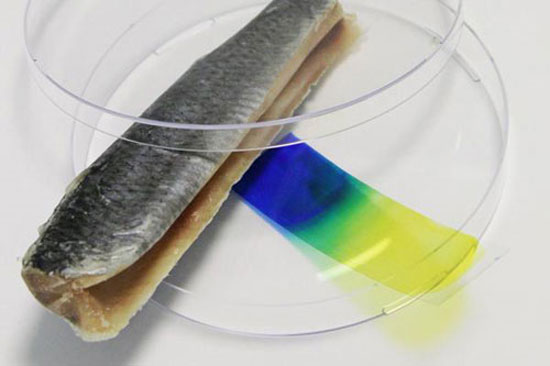
According to Tech News Daily, scientists from Fraunhofer Research Institute (Germany) have developed a sensor film that can change color to indicate when food smells.
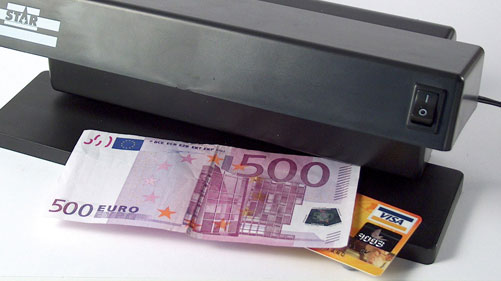
Researchers have successfully tested US dollar, Swiss franc, Japanese yen and the euro.
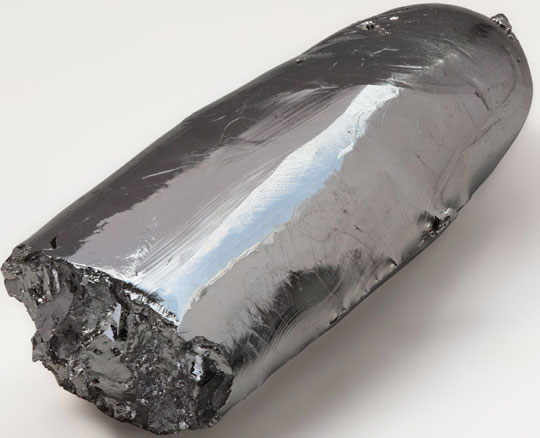
The discovery of American scientists about metals capable of absorbing and storing infinite sunlight can make a breakthrough in solar technology.

Blood will become a new tool for forensic experts to determine the age of the perpetrator or victim at the crime scene.

Chinese scientists have created a super-strong, superconducting carbon fiber fabric that can be used to make astronauts' clothing, bulletproof and anti-radiation.
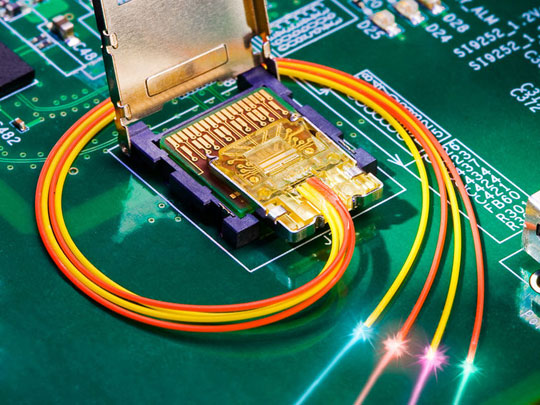
By using lasers to combine and decompose molecules, scientists have invented the 3D optical data storage technology.
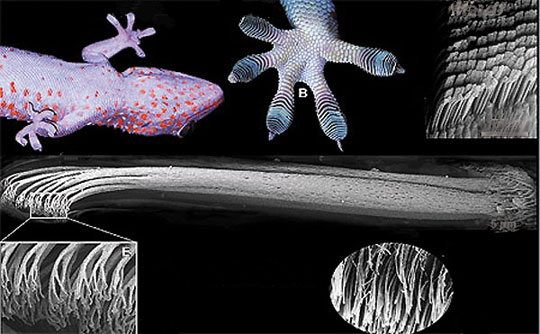
Scientists from the University of Southern Mississippi, USA have created a material that simulates the structure of hair, hair of animals ...

People in countries suffering from droughts one day can create water clouds as required by laser technology.

A breakthrough technology will help diabetics measure blood glucose without having to draw blood every day.

Some scientists argue that silver nanoparticles suspended in water create a flexible and flexible material - the main ingredient for creating invisible objects.