Oceanography
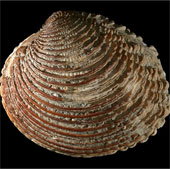
Amazing: Clam live up to 450 years old
Few people know that clam, also known as clam, is a bivalve mollusk, which humans use as a regular dish, has a life
Browse ScienceInfo articles and explainers related to Mollusk.
55 published items.
Few people know that clam, also known as clam, is a bivalve mollusk, which humans use as a regular dish, has a life
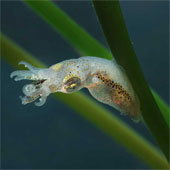
Colorful and poisonous cuttlefish or giant octopus can develop body length up to 9 m are unique characteristics of mollusks.
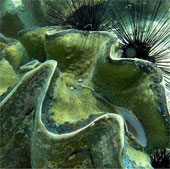
Giant clam with the scientific name Tridacna gigas, is the world's largest two-shell mollusk, discovered in 1521.
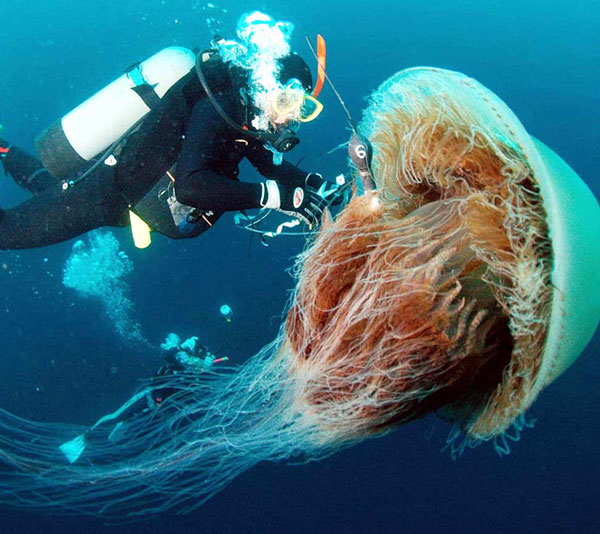
The seemingly harmless krill that is drifting indefinitely in the oceans has become one of the most mysterious topics in modern times.

The habitat of oysters around the world is threatened. This mollusk is disappearing very quickly ...

According to the latest discovery by marine biologists from Australia's Antarctic Bureau, whale feces can slow global warming.
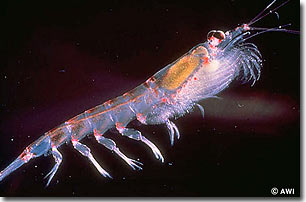
Scientists have recently discovered Antarctic krill (Euphausia superba) living and foraging at a depth of 3,000 meters in the waters of the Antarctic Peninsula. So far,…

About 80 scientists, professionals, students and volunteers from 19 countries - surveyed the waters around Panglao Island, located 624 km southeast of Manila, since 2004…
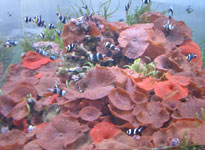
Recently, scientists have caught the SNX 111, a carnivorous mollusk that has a poisonous stinger that paralyzes the prey. This toxin can be prepared into a pain reliever…

A recent discovery shows that bacteria have existed on Earth for 3.7 billion years ago, after 1 billion years since the Earth was formed.
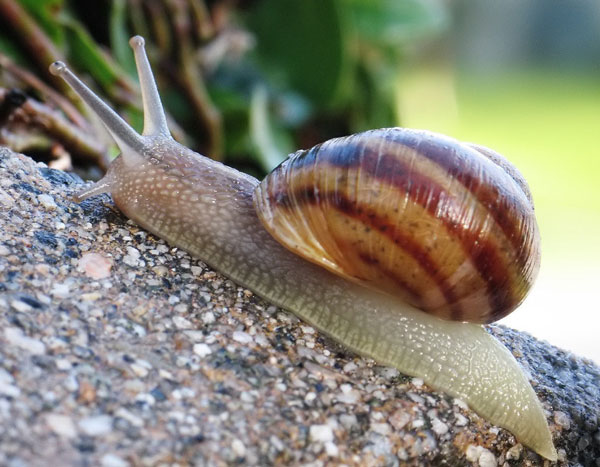
Fossils of a snail-like creature, living in the seabed 500 million years ago, have revealed light on the origin of modern snails, shellfish and squid species.
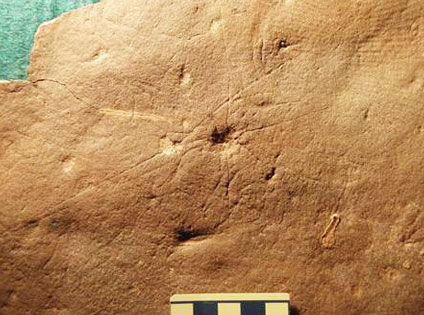
Named Coronacollina acula, this creature was from 560-550 million years ago, ie during the Ediacaran period (630-542 million years ago), before the outbreak of life and…
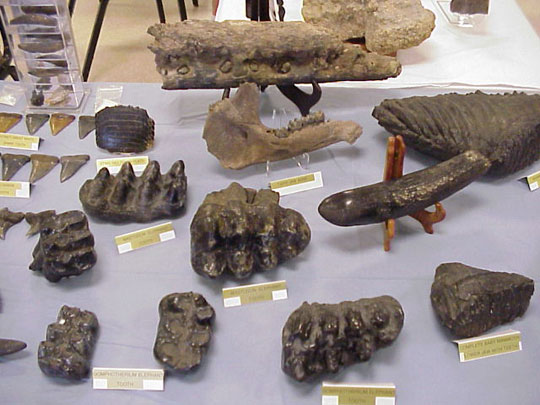
Scientists have discovered a large amount of mollusc creature dating back about 500 million years near Table Mountain, South Africa.
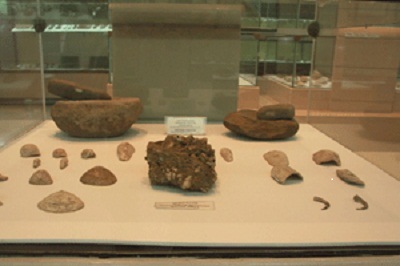
By radioactive methods, the scientists determined that the mollusk shell samples were collected in Dong Thap Muoi around 5,200 years old.
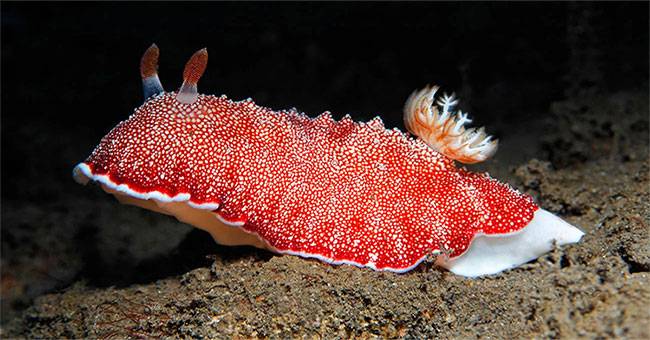
Scientists studied nearly 300 mollusks living and dying in the Atlantic over the past 5 million years to find high levels of metabolism that determine which species will…