Discover science
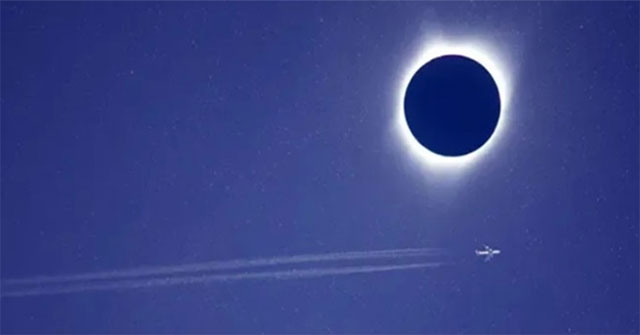
The longest eclipse viewing flight in history
In 1973, scientists used the Concorde supersonic aircraft to extend the eclipse observation time to 74 minutes while flying nearly as fast as the Moon's shadow moving ac…
Browse ScienceInfo articles and explainers related to Moon.
1,903 published items.
In 1973, scientists used the Concorde supersonic aircraft to extend the eclipse observation time to 74 minutes while flying nearly as fast as the Moon's shadow moving ac…

The longest total solar eclipse ever recorded took place more than 2,700 years ago, lasting 7 minutes and 28 seconds, just a few seconds short of maximum.
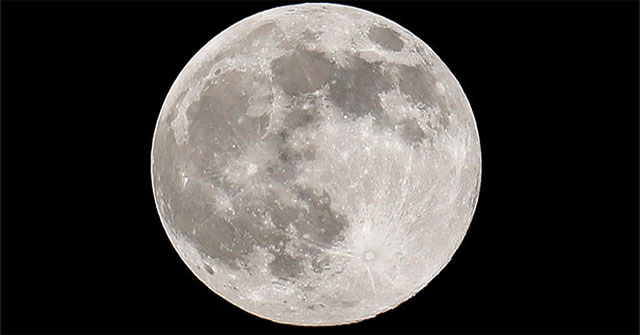
The head of the White House Office of Science and Technology Policy (OSTP) has proposed to NASA a plan to establish Lunar Time Coordination (LTC) by the end of 2026.

Every location on Earth is in the shadow of at least one total solar eclipse, but some places experience more of these events than others.
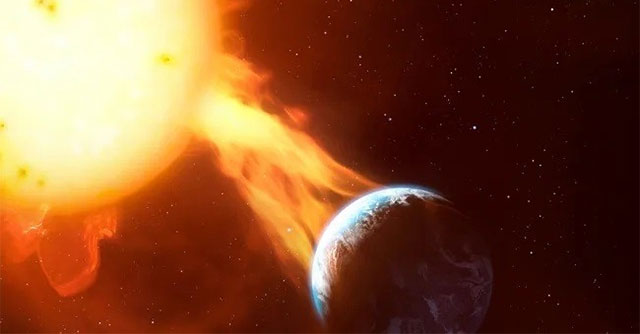
When the Moon completely covers the sun on April 8, viewers will get a rare glimpse of the Sun's corona and everything that explodes from there.
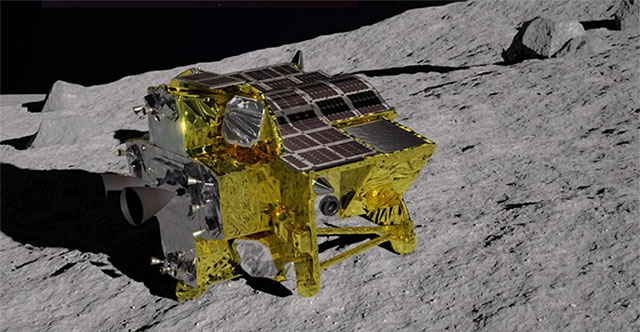
(JAXA) on April 1 announced the country's Smart Lunar Research Lander (SLIM) once again
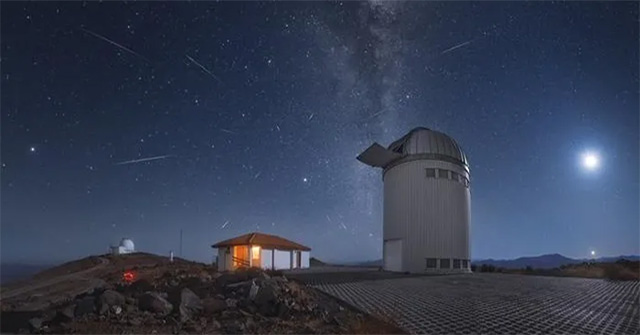
The Lyrids meteor shower takes place every year from April 16 to April 25. This year's peak falls on the night of April 22 and morning of April 23, giving astronomy love…
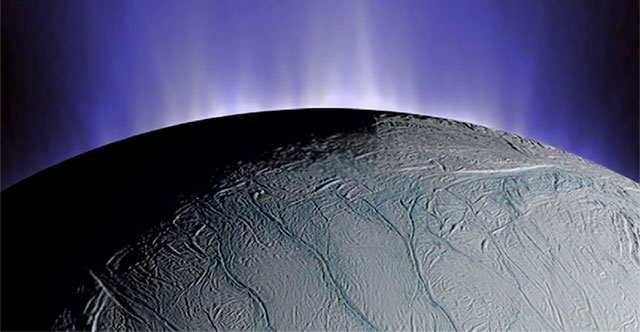
Scientists have just discovered a place that may contain evidence of alien life that can easily be captured by human spacecraft.
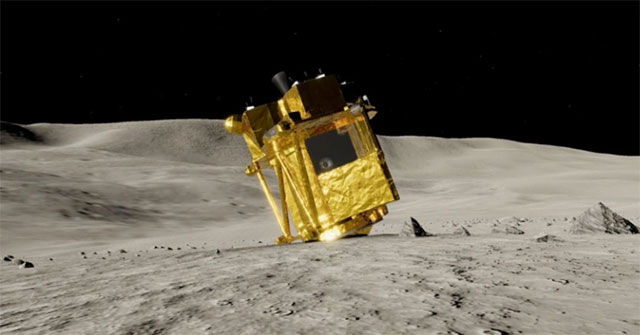
The SLIM ship continues to surprise the scientific community with its ability to overcome one challenge after another.

Research on plant growth is one of three experiments that Artemis 3 Program astronauts plan to deploy on the Moon.

According to the plan, in less than 6 months, NASA will launch Europa Clipper on a 2.6 billion km journey to the moon Europa - a moon of Jupiter.
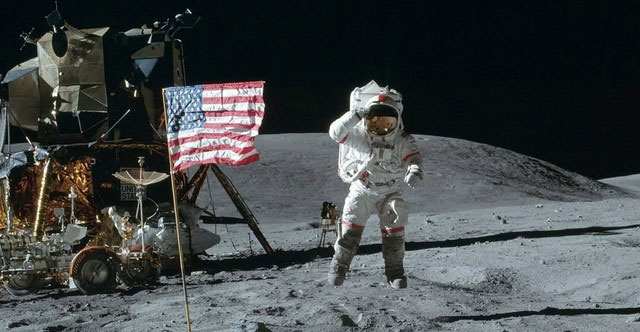
In the history of human space exploration, the Apollo program is certainly a glorious chapter.
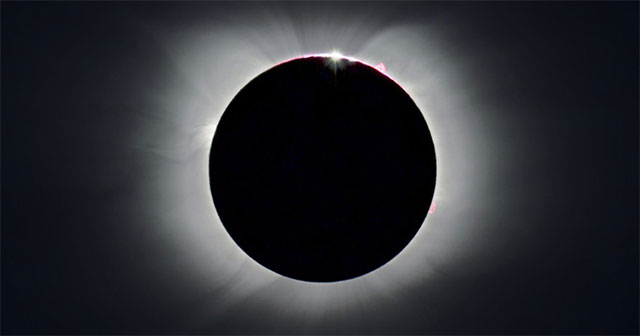
Total solar eclipses are so rare that a given location on Earth is only likely to be seen once every 375 years on average.

The lunar railway network could carry people, supplies and resources for trade and contribute to the space economy.

Intuitive Machines announced that the unmanned lander Odysseus was unable to do so