Space science
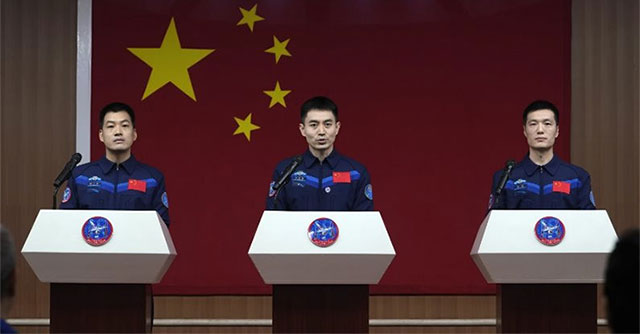
China sent a new group of astronauts to the Thien Cung space station
China will send a new crew to the Tiangong space station, the latest mission in the program to send astronauts to the Moon by 2030.
Browse ScienceInfo articles and explainers related to Moon.
1,903 published items.
China will send a new crew to the Tiangong space station, the latest mission in the program to send astronauts to the Moon by 2030.
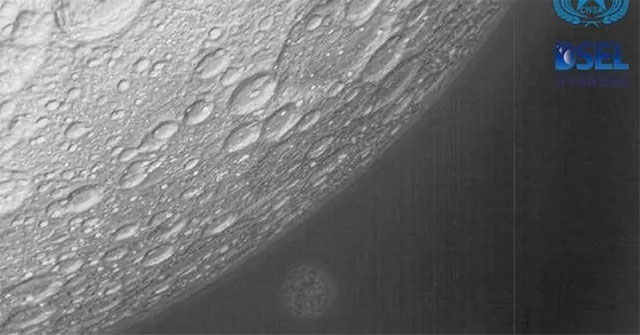
China's experimental lunar satellites Tiandu-1 and 2 are testing lunar navigation and communications technology.
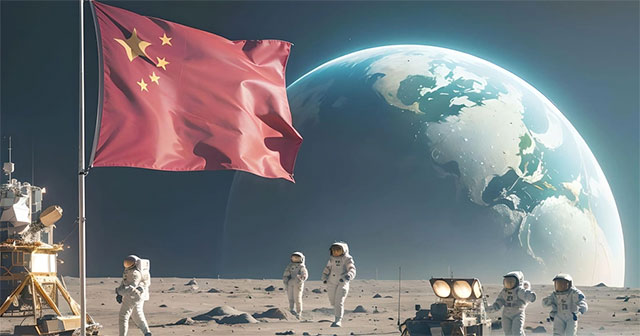
Recently, NASA warned that China may be preparing for a campaign to control the Moon in the coming years.

The full moon of the third lunar month, nicknamed the Pink Moon, will appear bright and round in the sky from April 22-24.

Scientists are conducting tests that will allow the four-legged Spirit robot to move across rough terrain, simulating the harsh conditions of the Moon and Mars.
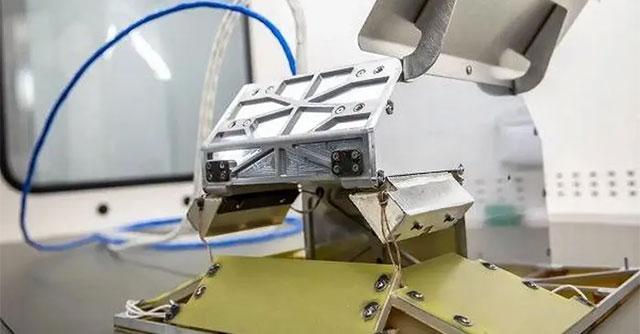
The research team at NASA's Kennedy Space Center (USA) is thinking of many creative methods to apply Electrodynamic Dust Shield (ESD) technology.
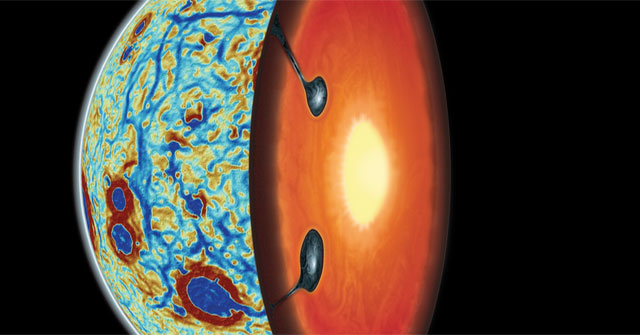
The celestial body we are seeing in the sky may not be the original Moon.
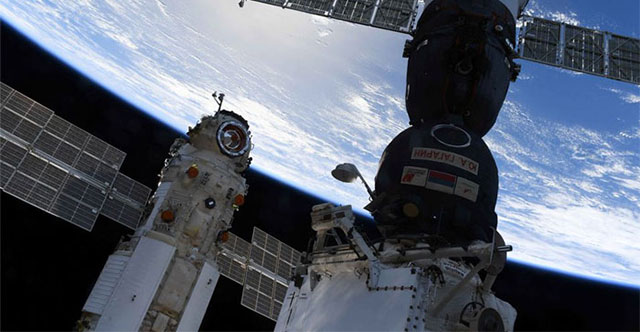
Putting aside differences and disagreements in political views, many powers such as Russia, the US, China, or Japan still cooperate to bring humanity many important achi…
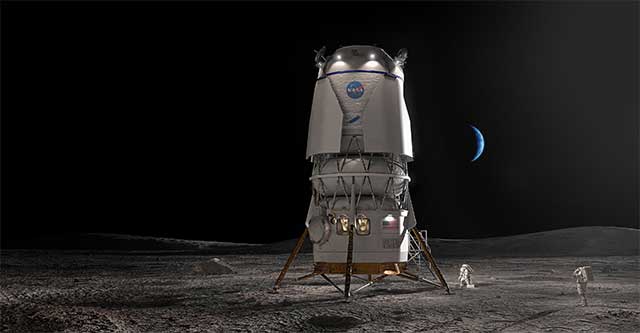
US President Joe Biden on April 10 once again affirmed his plan to send the first Japanese astronaut to the Moon within the framework of the Artemis lunar exploration pr…
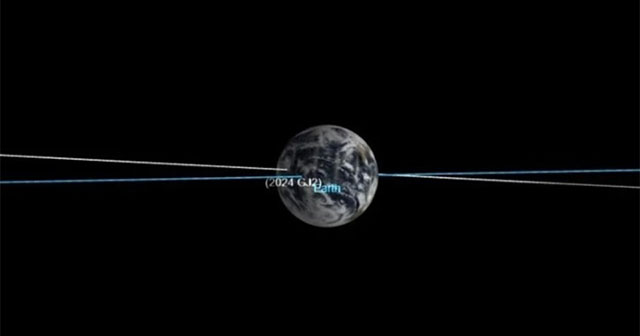
Astronomers discovered an asteroid as large as a car, closest to Earth at 1:28'42 on April 12 Hanoi time, at a distance of 18,700km.
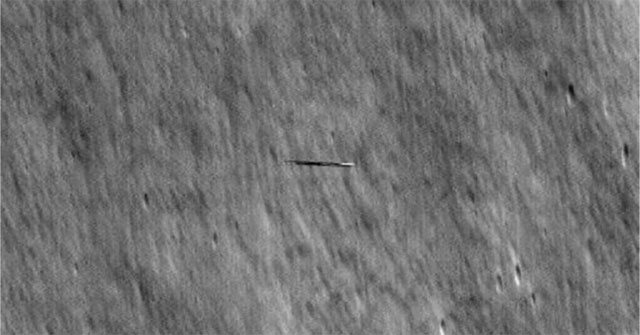
NASA's lunar probe captured the moment Danuri, a South Korean spacecraft operating in a nearly parallel orbit, whizzed by.
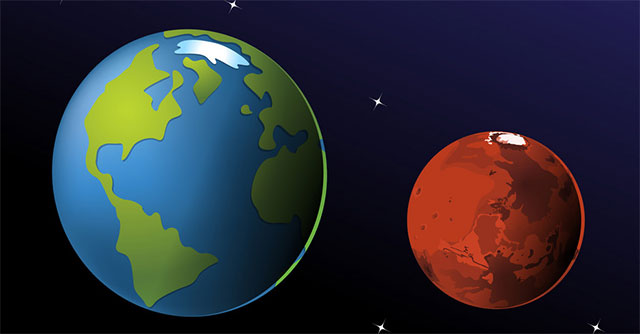
If Mars and Earth swap places in the Solar System, life on Earth will not be able to exist and we will no longer be able to live.
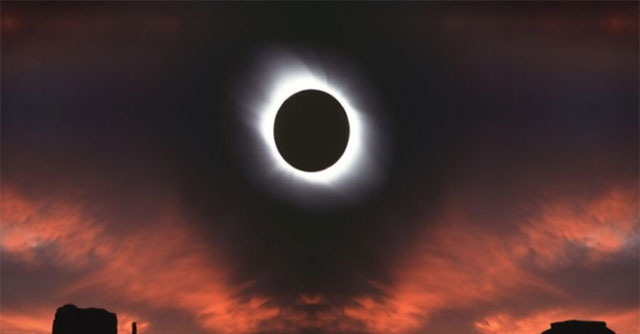
A total solar eclipse is not only a notable astronomical event but also plays a large role in leading to many important discoveries.

A new study by international scientists has shed light on white dwarfs that have the ability to destroy the Solar System.
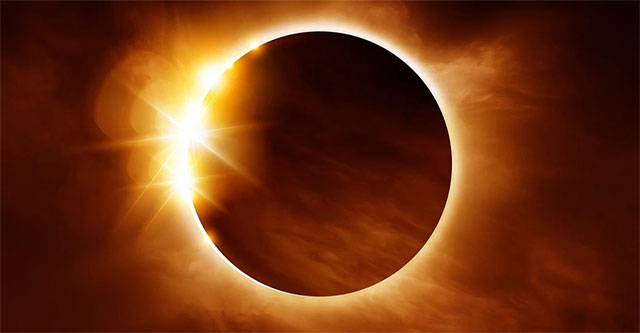
Based on 15,000 years of solar eclipse data, scientists have found the place on Earth with the highest incidence of this phenomenon.