Scientific application
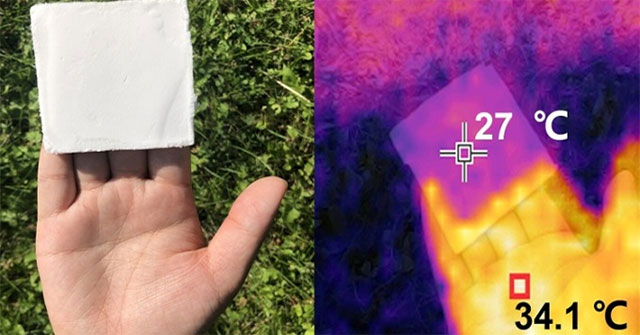
Ultra-light foam keeps indoor temperature 10 degrees cooler
The new type of foam made from nanofibers in wood promises to help reduce indoor temperatures sharply, while saving electricity consumed by cooling devices.
Browse ScienceInfo articles and explainers related to Nanocrystal.
15 published items.
The new type of foam made from nanofibers in wood promises to help reduce indoor temperatures sharply, while saving electricity consumed by cooling devices.

The strongest part of a plant is not the root or the root, but the wall of microscopic cells. This is a new material that can pave the way for a future that no longer re…
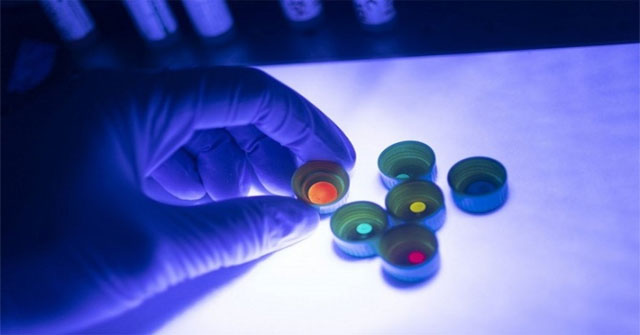
An international team of researchers has developed shatter-resistant glass that could be used to make LED lights, phones and TV screens.
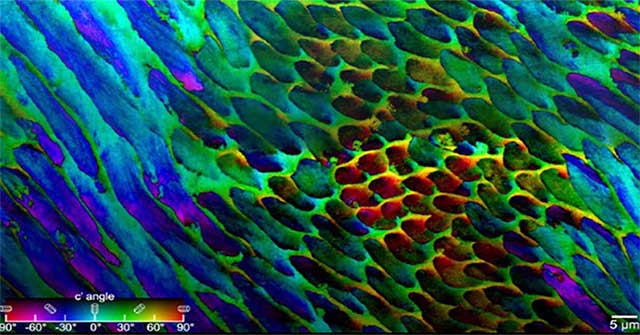
A new look for the first time on the nanostructures of tooth enamel helps explain why the hardest substance in the human body is extremely resilient.
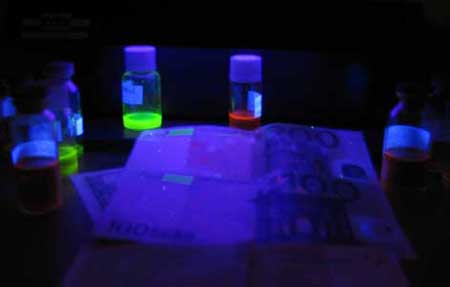
With a few nanometers in size, quantum dots made by Vietnamese scientists have great potential for security and biological research.
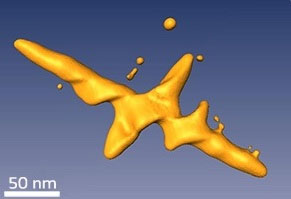
Nanoparticles (primitive genes) are very sensitive to light and the smallest amount of light can heat up this nanoparticle (primitive gene).
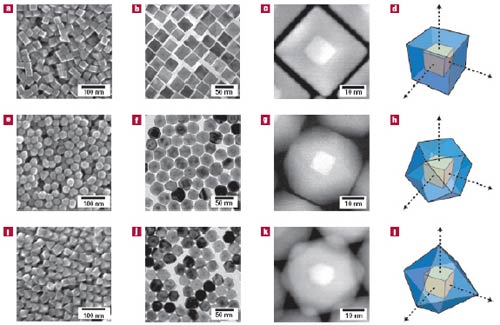
Scientists in the United States have developed a new way to control the shape of metallic nanocrystals by using a small element of another metal such as a 'seed' and cha…

For the first time, scientists in Australia have created a nanocrystals that can bend light. This crystal is 500 times smaller than a human hair and is used to lay the f…

US scientists have discovered ways to use sunlight to synthesize ammonia, an important ingredient in fertilizer production.
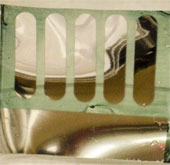
According to the Gizmag tech news site, this type of organic photovoltaic battery has a 2.7% efficiency - a relatively high performance level for the raw materials recov…

Normally, to get different red-blue laser light sources in the same device (like a 3D Blu-ray drive), one would have to create three separate laser sources. These laser…

Scientists have successfully researched the 'electronic skin' technology that has a very sensitive sense of touch like human skin, Nature Materials said.
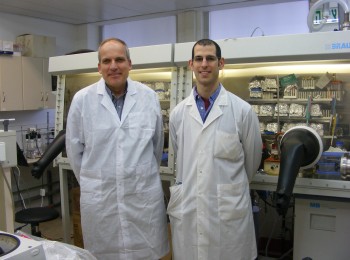
'Doped nanocrystals' was developed by researchers, working at Hebrew University, in Jerusalem, Israel, this is the result of research in the field of enhancing the elect…
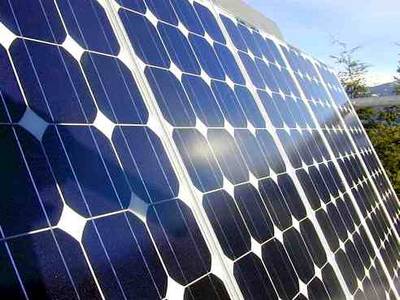
To answer the question: 'Does the cascade effect really exist?', Dutch scientists have just conducted a study to prove the existence of this effect, paving the way for t…
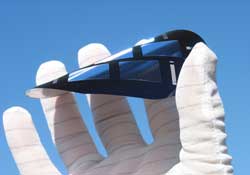
The first low-cost solar cells made from synthetic resin will be marketed after 5 years. It is the latest announcement by scientists - who are vying for increasingly fie…